
With the recent upturn in grass growth, many of you will already be thinking about your first cut of grass. Silage aftermath can be a powerful tool in disrupting the worm lifecycle, so consider using these fields for turnout of first-season, unvaccinated grazers. Developing strong immunity in youngstock within the first two years is key to long-term herd health and productivity and can also reduce future reliance on anthelmintic treatments.
Here are some of the main parasite risks to be aware of right now:
Nematodirus in Lambs
Warmer temperatures (10°C and above) following a cold spell can trigger the mass hatching of Nematodirus eggs, especially on pastures grazed by ewes and lambs last year. This often aligns with lambs reaching six weeks of age and increasing their grass intake, putting them at high risk of infection.
Unlike other worms, Nematodirus has a unique lifecycle and can cause sudden death or stunted growth. The sudden onset of the disease means that fecal worm egg samples may be negative as so this is one of the rare examples where treating is recommended based on clinical signs or risk levels of the season / pasture. Fecal testing helps rule out coccidiosis, which causes similar signs but requires different treatment, and so getting the right diagnosis is key The recommended treatment is a white drench (1-BZ group).
Blowfly Strike & Nuisance Flies
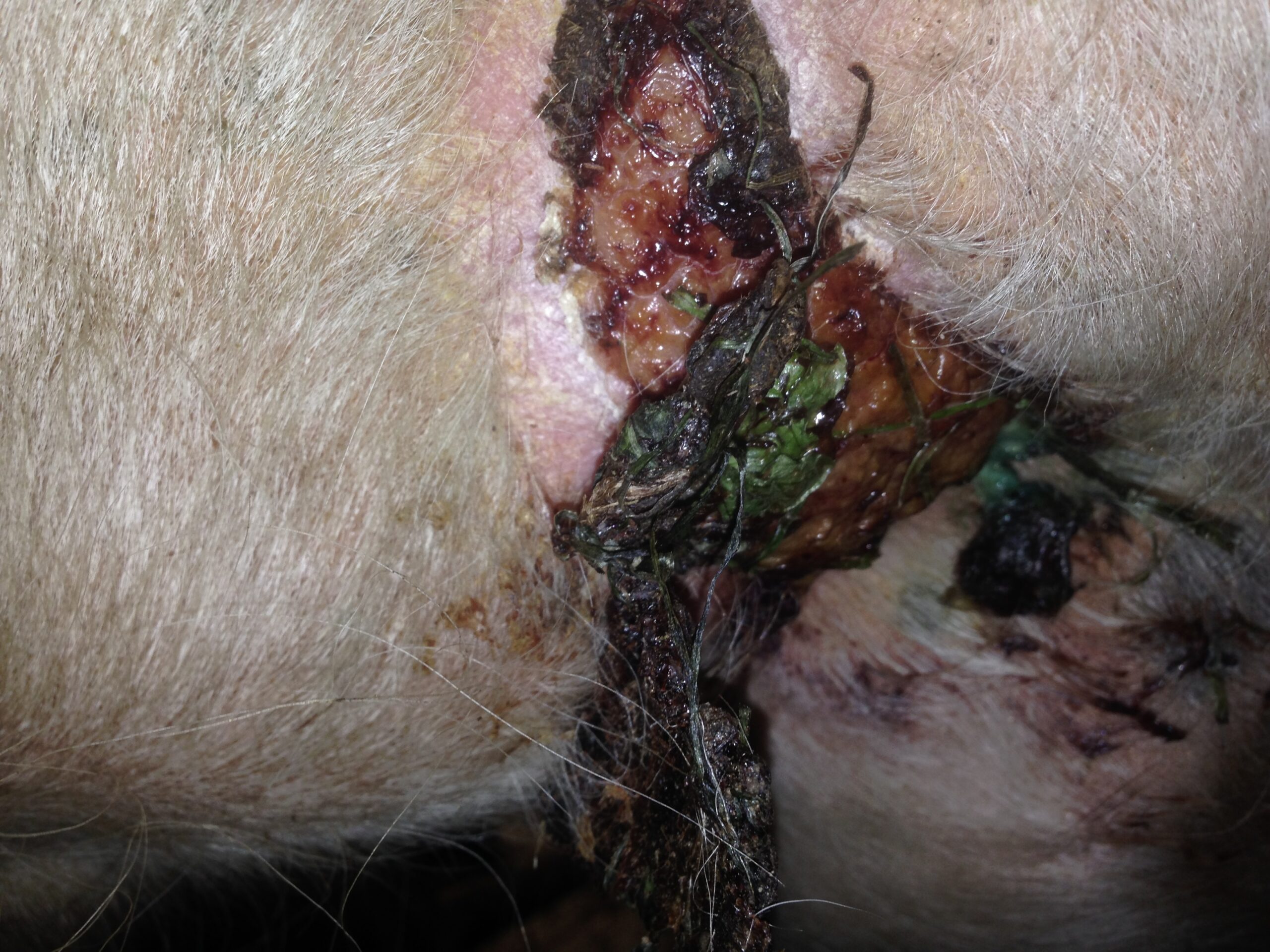
Unfortunately, we have already seen cases of strike this season. Waiting until flies are visible or a strike is evident often means acting too late, so we recommend starting preventative treatments now to reduce fly populations early.
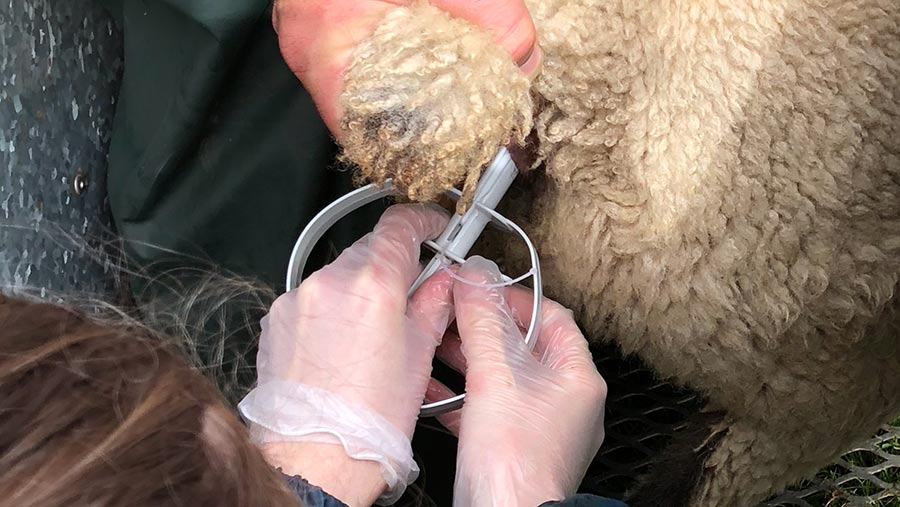
Pour-on treatments are available, with options to suit different withdrawal requirements in lambs and ewes. For dairy cows, flies can impact yield and health—consider flectron tags, pour-ons, or even biological fly control (fly parasites), all available via our VetTech service
Lungworm in Cattle
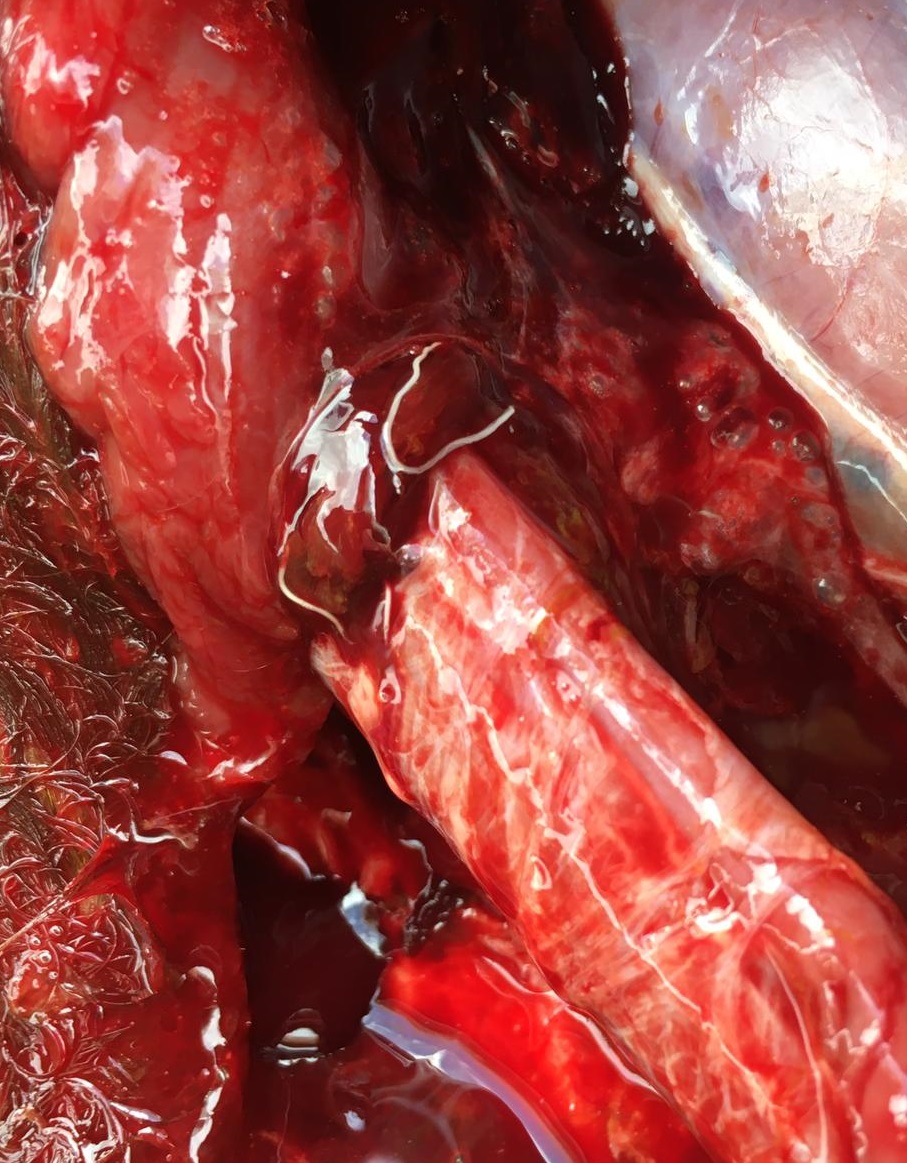
Hopefully by now, youngstock are vaccinated with Huskvac and turned out. Lungworm is a major summer threat and can cause long-term respiratory issues or sudden death, particularly in first-season grazers.
In typical years, larvae begin building up from June, with a rapid 1-week development cycle, so early detection and response are vital. Importantly:
Vaccinated heifers should NOT go on ‘clean’ pasture (e.g., silage aftermath), as they need low-level exposure for immunity to build.
Unvaccinated animals, on the other hand, should be turned out to clean pasture to reduce the immediate risk.
If lungworm or other parasites are is a concern on your farm, we can create a bespoke parasite control plan to support immunity development, reduce anthelmintic use, and promote long-term herd health.



Leave A Comment