
By Holly Bickerton
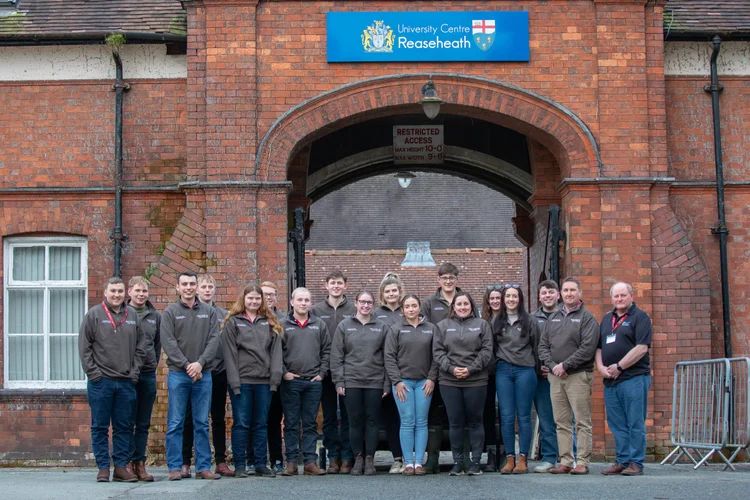
Holstein Young Breeders (HYB) members from across the country came together at Reaseheath College this February for four days of technical visits and discussion. The Holstein UK Advanced Dairy Training Programme challenged us to think beyond the show ring and focus on the foundations of successful pedigree businesses.
For many involved in pedigree Holsteins, shows and sales dominate the calendar. This programme pushed us to look beyond cow families and rosettes and focus on what truly sustains herds: disciplined management, commercial awareness and data-backed decision-making.
Laying the Foundations
Our first visit, to Thomasson Farms, focused on calf care and youngstock management. Attention to colostrum, disease prevention and hygiene reinforced that future VG and EX cows are shaped long before they enter the milking herd.
An evening session with Dr John Cook strengthened that message. Longevity, fertility and lifetime yield are not accidental — they are shaped from day one. For breeders aiming to build lasting cow families, that link cannot be ignored.
Transition, Fertility and Sustainability
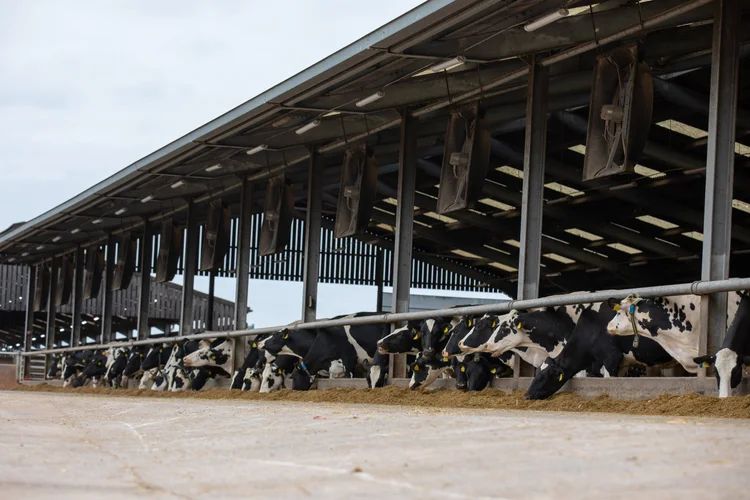
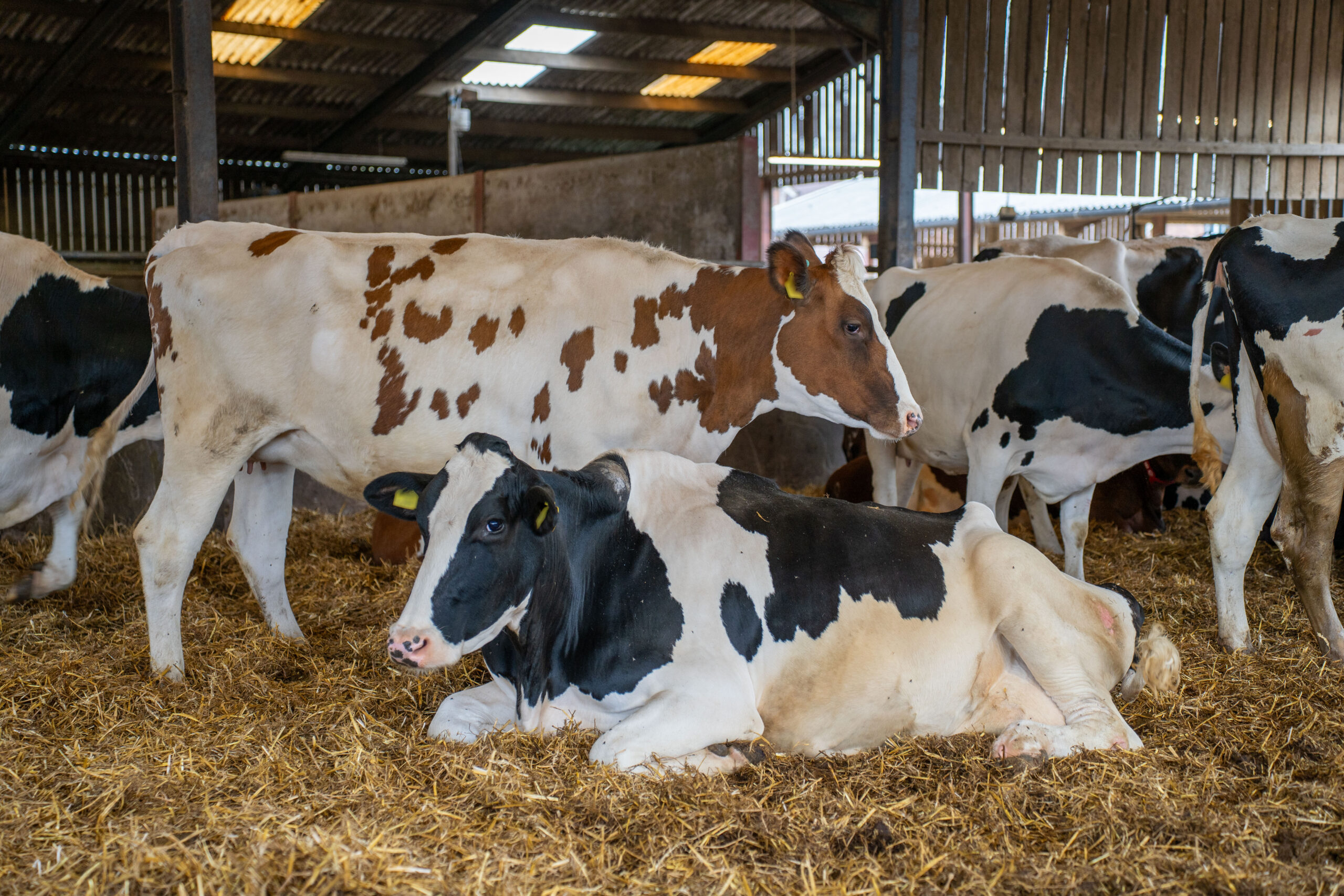
At Grosvenor Farms, attention turned to dry cow and fresh cow management. Transition remains one of the most vulnerable stages, and it was clear how communication and consistency set top farms apart.
No pedigree can compensate for poor fertility or preventable disease. Transition discipline must be non-negotiable.
An evening session with Ben Williams highlighted how environmental efficiency is shaping milk markets. Pedigree breeders cannot afford to ignore sustainability, as it will increasingly influence contracts and perception.
Technology, Finance and People
Winstanley Farms showed how technology supports management, from mobility scoring and fertility monitoring to automated feeding and drying-off systems.
For pedigree herds, this level of data strengthens breeding decisions and marketing. A strong pedigree is powerful — but one backed by performance data is stronger.
A session with Oxbury Bank reinforced the need for financial resilience, while Emma Shaw’s discussion on people management highlighted the growing importance of leadership skills.
Breeding with Commercial Awareness
Our final visit to Riverdane Holsteins brought the focus back to genetics and marketing. High-type cattle remain important, but fertility, efficiency, and longevity now define profitable breeding.
Mark Nutsford emphasised viewing each cow as a commercial micro-business — contributing through milk, progeny, and sale value.
For HYB members, the programme offered more than technical insight — it provided perspective and connection. It challenged us to consider not only what we breed, but how we manage, measure, and market it.
If the next generation can combine strong cow families with disciplined management, smart data use, and clear commercial focus, the future of the breed looks secure.




Leave A Comment