
By Will Gratwick
As turnout approaches, now is an ideal time to pause and plan your worm control strategy for the year ahead. Careful planning protects animal health and performance and helps slow the development of wormer resistance on your farm. Will Gratwick reviews how your our vets, SQPs and vet techs can support you to ensure wormers remain effective for the future.
Why plan now?
Parasite control works best when it is proactive, not reactive. Late winter is a great time to make decisions about grazing management, treatment choices, and monitoring strategy for the year ahead. A clear plan helps avoid unnecessary treatments, reduces costs, and improves productivity, while reducing the environmental impacts of wormer use.
Know your risk groups
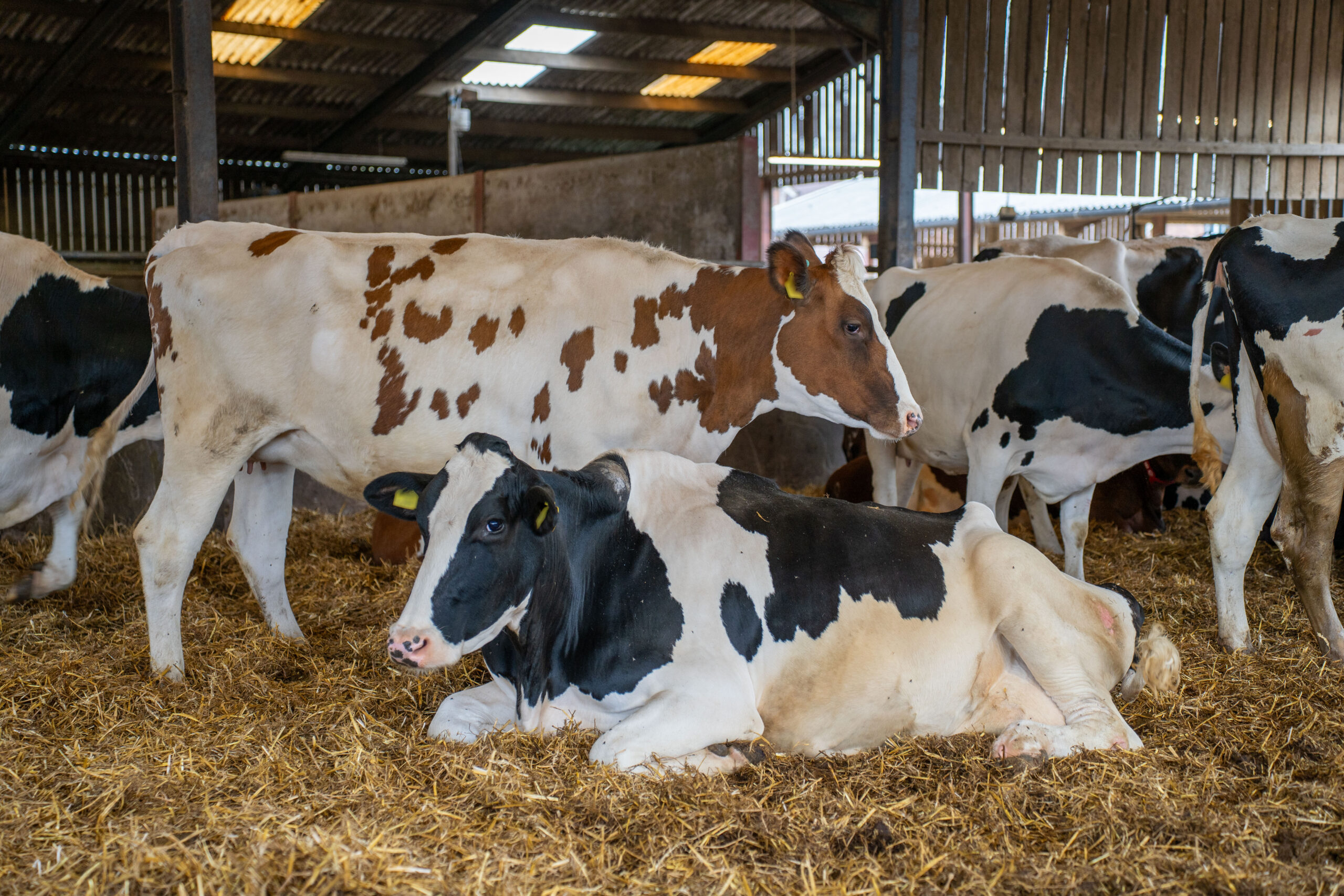
Not all cattle face the same level of worm risk. Calves and first-season grazers are most vulnerable to both gut worms and lungworm. Second-season grazers may still be at risk, depending on exposure and immunity, while adult cattle generally have good resistance.
Identifying which groups are genuinely at risk allows treatments to be targeted where they will deliver the most benefit.
Start with last year’s information
- Growth rates and performance in calves – did these meet your targets?
- Clinical disease records – did you have too much coughing or scouring?
- Any test results – what did your muck tests say?
- Treatment records – which products did you use and when?
- Treatment responses – did they work?!
This information helps guide whether current strategies are working, or whether changes are needed.
Test first, worm second
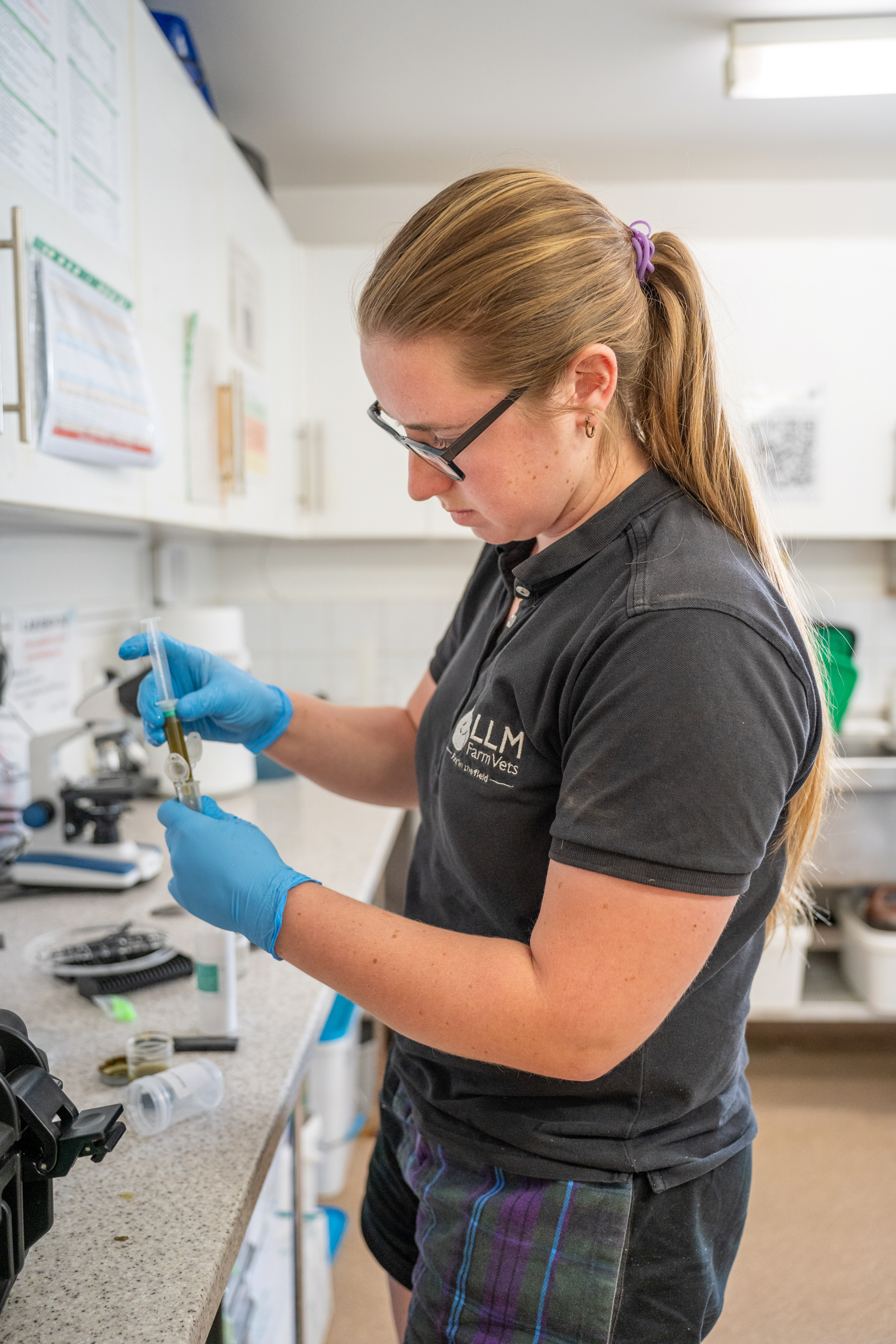
Routine blanket dosing is increasingly recognised as being unnecessary – being costly, time consuming and increasing the risk of worm’s developing resistance. Instead, regular testing should underpin parasite control plans. Faecal egg counts (FECs) help assess gut worm burden and if / when treatment is needed.
Used correctly, testing can help reduce unnecessary treatments and preserve product effectiveness.
Grazing management matters
Levels of parasite exposure (and infestation) is driven primarily by how you manage your pasture. Therefore:
- Avoid grazing youngstock on high-risk pastures (e.g. those grazed by calves last year).
- Mixed or rotational grazing can help reduce worm challenge.
- Consider pasture rest periods where possible. This is easier when large fields are divided into smaller paddocks, with the added benefit that it promotes higher grass yield.
Good grazing management can significantly reduce parasite pressure before treatments are even considered.
Think about resistance
While not as widespread a problem as in sheep, resistance to each of the three commonly used classes of wormer (white, yellow and clear) has now been reported in cattle parasites. The best way to avoid resistance developing is to minimise use of wormers, but also:
- Match the product to the parasite risk and time of year. Do not use combination or long-acting products except when necessary.
- Avoid over-use of any one wormer class. Rotate the type of wormer you use.
- Accurate dose based on the weight of each animal or based on the heaviest animal in the group if they are all a similar size.
- Check the ‘use by’ date and once open, use within the time shown on the packaging.
- Store wormers correctly (between 4 and 25 °C) and dispose of unused wormers in a yellow ‘DOOP’ bin. Do not put them down a drain where they may enter watercourses.
- Avoid ‘dose & move’. Cattle should NOT be moved onto clean pasture immediately after worming, as the only worms left in their system are the resistant ones. Dose and move strategies therefore contaminate pastures entirely with resistant worms!
- Instead, maintain a ‘refugia’. This is a population of worms on your farm that have not been exposed to the wormer. An easy strategy is to ‘leave the best & treat the rest’. This means animals that are naturally less susceptible to worms and performing well may not need worming, leaving them with a small population of non-resistant worms.
- Carry out a faecal egg count before and after treatment to assess the level of resistance and guide future wormer choices. The amount of time to wait between tests varies between wormers so speak to us for advice on how to do this.
- Quarantine incoming animals and ensure they wormed with a suitable combination of wormers before grazing – contact us for advice on this.
We can help design a programme that balances effectiveness now with effectiveness in future!
Lungworm’s spanner in the works
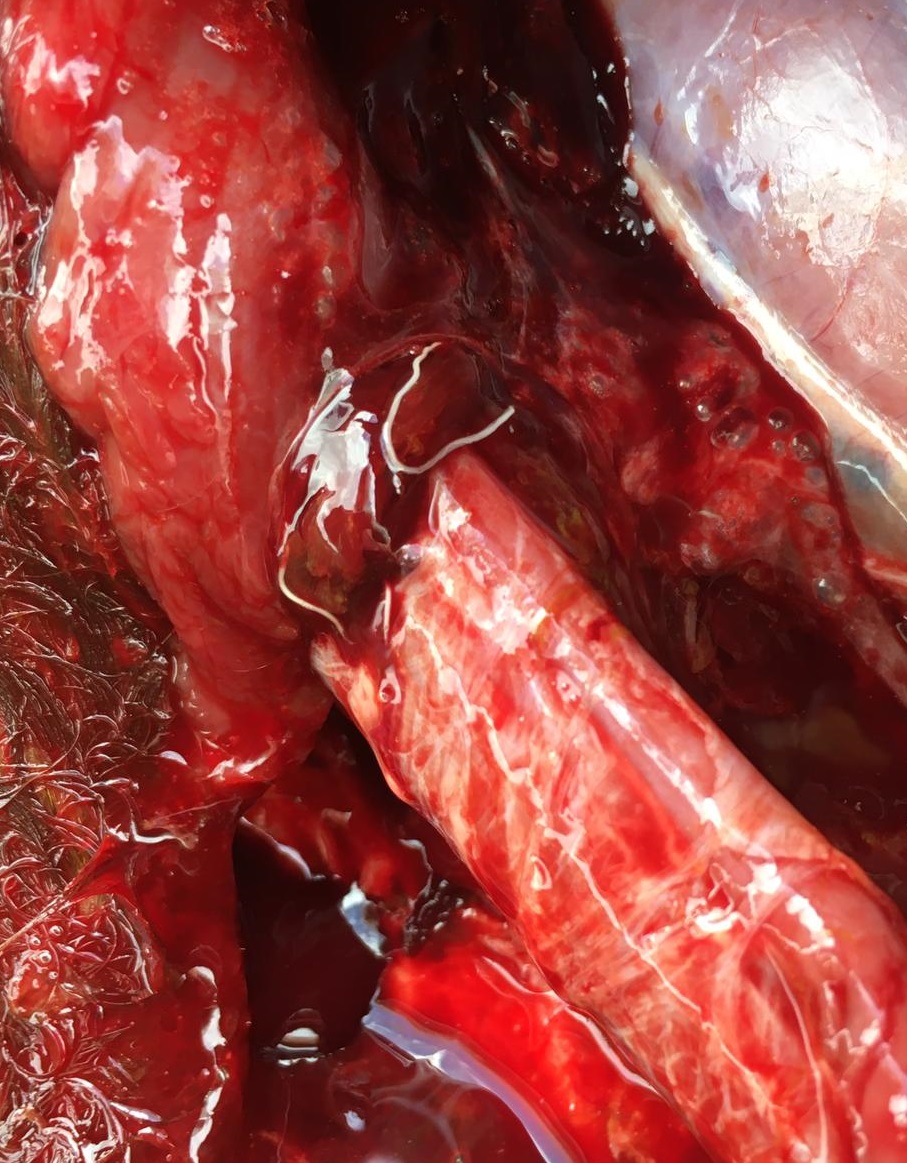
Lungworm remains unpredictable and can affect cattle of any age. It will also not be picked up on standard faecal testing and which makes detection and timing your treatments much harder. If it is present on your farm the best strategy is to vaccinate first season grazing animals before turnout. Exposure to lungworm larvae in subsequent seasons boosts their immunity so re-vaccination is rarely needed.
Put pen to paper
A written parasite control plan, A written parasite control plan, A written parasite control plan, reviewed annually with your vet, brings everything together while ensuring accountability. Who is going to be responsible for each aspect and when. Written plans include: a grazing plan, a strategy for taking muck samples and reviewing the results, a risk assessment for each group of animals, and agreed treatment plans.
A joined-up approach ensures parasite control balances both animal performance and responsible medicine use. If you are currently worming routinely throughout the grazing season, it may save you a significant amount of money. It is a great way to utilise your Animal Health and Welfare Pathway funding (England), or Farming Connect funding (Wales).
February is the perfect time to put that plan in place. If you would like to review last year’s performance, discuss testing or build a tailored parasite control programme for your farm, speak to your vet now. Don’t forget that our Vet Techs help run our integrated parasite control plans, and can take away the hassle of muck sampling by calling into your farm regularly to collect the samples for you.



Leave A Comment