Artificial Intelligence (AI) is one of the biggest buzz words in farming, overtaking Artificial Insemination and Avian Influenza (thankfully!) as the go-to phrase when we hear the term ‘AI’. Derbyshire vet Will Golding outlines one of the AI systems which has been rolled out to several dairy farms in their area.
Vet Vision Artificial Intelligence (VVAI) is an exciting new technology that we have been lucky enough to begin using, having been developed down the road at the University of Nottingham by Dr Robert Hyde and Dr Charles Carslake. VVAI uses simple CCTV cameras and machine learning to assess animal behaviour and farm conditions. The data collected helps guide changes to the farm environment, which will ultimately improve animal welfare.
How it works
- Two cameras installed – as high as possible to give a wide view; two different angles; covering key areas like the feed face, cubicles or straw yards
- Cameras in place a minimum of seven days – the cameras can be a permanent addition, or we can just record a week of data
- The information is uploaded and a report is generated using the VVAI computer vision technology
- Veterinary analysis of the report
- The report is discussed face to face and an action plan / written report are created
The whole process takes around two weeks, ending with a report being generated and fed back to the farm team. The system monitors some key performance indicators:
Cow comfort index – the percentage of cows in contact with a cubicle which are lying down
Cow time budget – the proportion of each day cows spend eating, lying, out of their pen, standing, and perching
This gives valuable insights into the adequacy of feed space and availability; cubicle provision; milking efficiency (time out of pen), and the comfort of the cubicle shed.
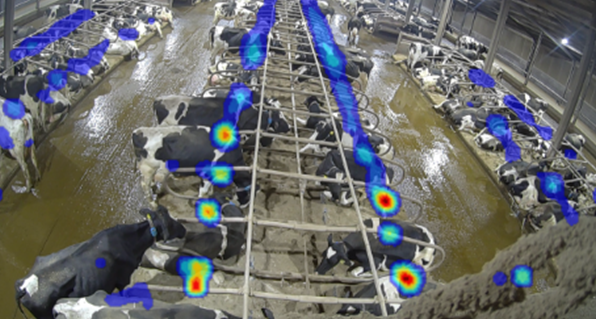
The most visually engaging parts of the technology are the ‘heatmaps’.
These are images taken by the cameras that are overlaid by colour to show the number of times a certain behaviour occurs in an area of the shed. These are particularly useful for identifying problem areas and where easy fixes can be made.
In the herds we have worked with, the technology has identified areas of the feed face that are preferred and certain cubicles that are avoided. This allowed us to investigate why this is the case and instigate change. In these examples small changes increase both feed intakes and lying times, which both contribute to increased milk yield and reduced lameness.
There’s massive potential here for spotting bottlenecks and reducing disease on farms. For example, periods of the day when feed isn’t available, especially to fresh cows, is going to contribute heavily to ketosis, LDAs and other transition disease. Finding areas of buildings which cows avoid at certain times of day or season (because heat or light conditions make them less favourable) should inform heat stress reduction plans – targeting where fans or shades are used. Cows “perching” on cubicles rather than lying down is also easily identified by the system – with extra standing time causing lameness.
This can stack up financially:
- According to research, for every extra hour of lying time, yield can increase by 1.7 kg/d.
- If VVAI identifies 5 x sub-standard cubicles that are then altered
- That means 5 x cows can each lie for 2 x hours per day extra
- A total of 10 extra lying hours = 17 kg additional milk
- That’s 6205 litres extra per year – all from improved cow comfort and better digestive efficiency
AI technology will play a key part in the future of farming. Systems like VetVision will allow us to proactively monitor animal behaviour and improve in ways that would be impossible with man-power alone.
If you have any questions about VVAI please contact your vet or speak to the Derbyshire practice on 01629 691692.
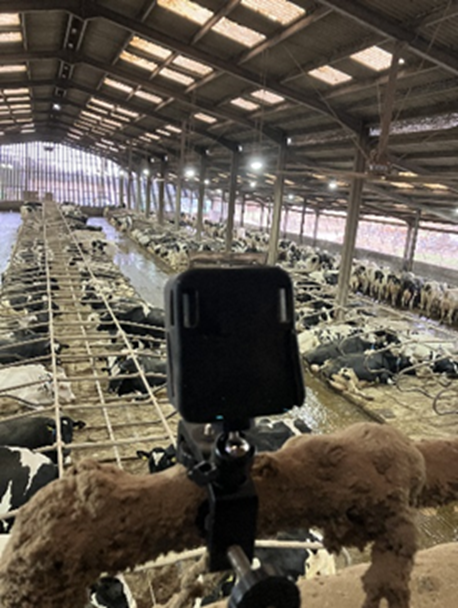
Figure 1 – A bird’s eye view! The camera in situ
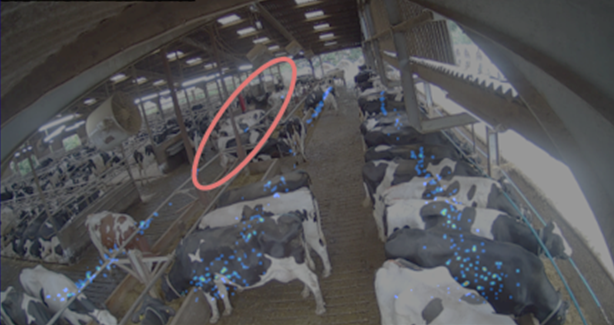
Figure 2 – A heat map identifying areas of the feed face that are under used. Is less TMR being put out in these sections meaning they are empty for some of the day?
Figure 3 – Heat map identifying more perching in central cubicles – possibly higher traffic areas or cubicles where cows compete more