
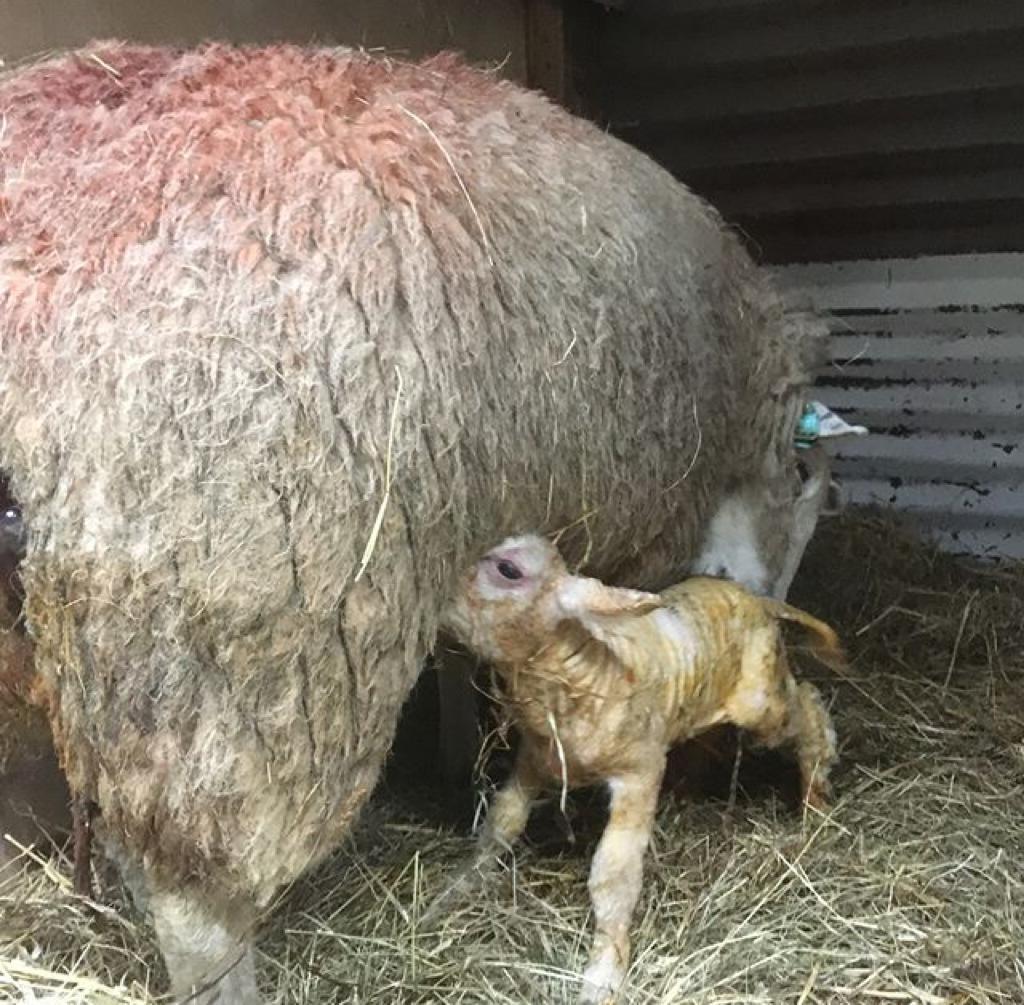
Joint ill, also known as infectious arthritis, is a common and serious condition affecting lambs, particularly in spring. Moredun reports it typically affects 1–2% of lambs but can be much higher on some farms. The bacterial infection enters through the open navel and spreads to the joints, causing swelling, pain and lameness. If untreated, it can lead to permanent damage or death. Prevention is therefore crucial. Here are four ways to reduce risk this lambing season:
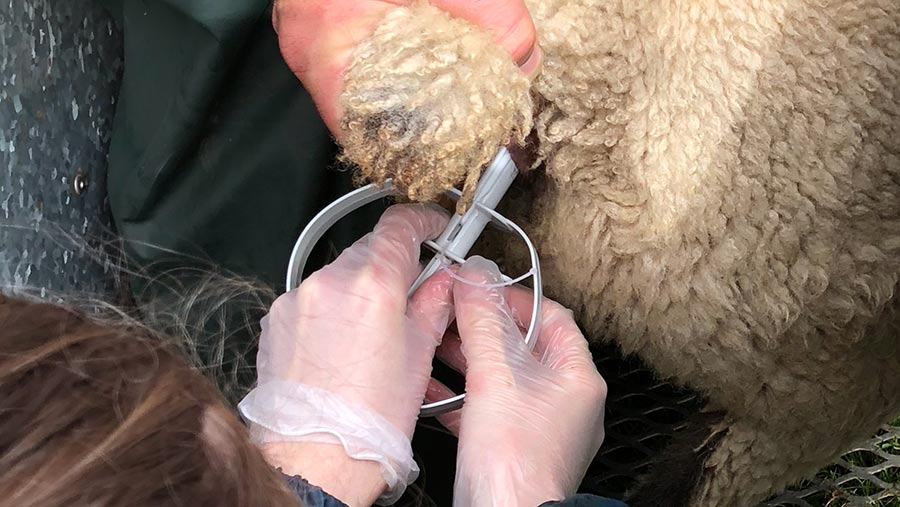
- Hygiene, hygiene, hygiene. The bacteria survive well in dirty or damp bedding and mud, so keeping lambing areas clean is essential. Remove placentas from pens to reduce bacterial load, and if lambing outdoors consider moving to a fresh paddock after an outbreak. Wearing clean gloves when handling lambs is another simple but often overlooked step.
- Navel dressing. Good coverage with an effective navel dressing is key. Strong iodine or copper sulphate solutions help dry the navel while providing antibacterial action. NoBacz has also become popular after trials by Fiona Lovatt found lambs treated with NoBacz had a 21% lower death rate than those treated with iodine.
- Colostrum is gold. Colostrum provides antibodies that support a lamb’s immune system. Lambs should receive adequate colostrum within the first few hours of life – ideally around 200ml per kg of bodyweight. Monitoring quality with a Brix refractometer can be helpful.
- Prompt treatment and clear protocols. If joint ill is suspected, early intervention is essential. Early cases are often treatable with antibiotics and anti-inflammatories, so ensure everyone involved in lambing understands the treatment plan agreed with your vet.
Following these steps can help reduce the risk of joint ill this spring. For more advice ahead of lambing, speak to your vet or drop into the practice.




Leave A Comment