
By Toby Spruce
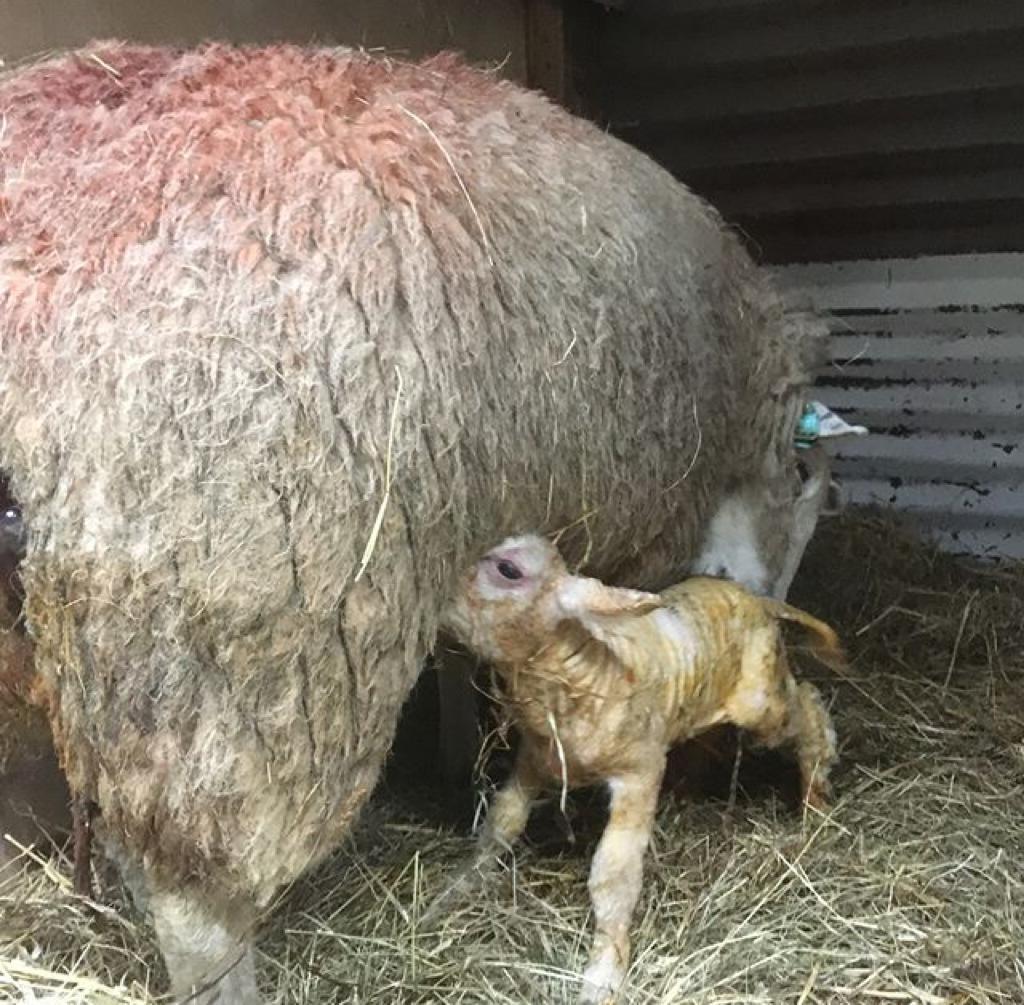
Although it feels like we have only just finished lambing, for many, it will be time to start thinking about breeding in preparation for next year’s lambing season. So now is the ideal time to start thinking ahead for ways to tighten up your lambing block to improve efficiency and reduce overall costs. There are several proven ways to synchronise ewes for a tighter lambing block, ranging from the use of Teaser Tups to Embryo transfer programs. Not all methods will suit each system, so it’s about choosing the one that works for you.
The “Tup Vasectomies” (Teaser Tup) Approach
A Teaser Tup is an otherwise fertile ram that undergoes a straightforward surgical procedure that renders the Tup infertile but still hormonally driven, so it can stimulate Ewes to cycle without getting them in lamb.
Male sheep release pheromones that stimulate ewes to start cycling (known as the Ram effect). Therefore, the introduction of a teaser tup stimulates the flock to start cycling before the fertile tup is introduced. To maximise this effect, the ewes should have no contact with Tups for 6 weeks before teaser tup introduction. The teaser should be with the breeding ewes for no more than 14 days at a 1:100 ratio. As the ewes should all be cycling at the same time, an increased fertile tup power is important, and so a ratio of 1:25 is recommended when introducing your breeding Tups.
Melatonin Implants: Advancing the Season Naturally
Melatonin implants (such as Regulin) mimic the natural increase in melatonin that occurs as daylight shortens, effectively “tricking” ewes into believing the breeding season has arrived earlier than it normally is. A single implant at the base of the ear is given 35-40 days before introduction of the fertile Tup.
Benefits of Melatonin implants include:
- Advancing the breeding season by up to two months in some systems.
- Reduced handling compared with sponges or CIDR Ovis devices.
- Often a tighter lambing block, particularly for late season lambers.
Progesterone Implants: CIDR OVIS and Similar Devices
Progesterone devices, such as CIDR OVIS, work by maintaining a steady level of progesterone, suppressing normal cycling; when the device is removed, progesterone drops and ewes come into oestrus synchronously.
The standard protocol for CIDR OVIS is as follows:
- Insert CIDR OVIS for 12 days.
- On removal, inject the ewe with PMSG (Pregnant Mare Serum Gonadotrophin) to boost ovulation.
- Introduce fertile Tups 24-48 hours later.
Most ewes show oestrus 1-2 days after removal. As with all of these methods, it is important to ensure that the breeding Tups are fit for purpose, so it is advised to have these animals undergo a “Tup MOT” before they are needed for work.
Ewe Embryo Transfer (ET) for Elite Genetics and Tight Blocks
Embryo transfer is often primarily used in pedigree and nucleus flocks but can also support commercial programs aiming for very tight lambing blocks and rapid genetic improvements. By synchronising recipient ewes using CIDR or sponge protocols, multiple embryos from elite donors can be transferred into a single cohort of recipients, all lambing over a few days.
ET allows:
- Accelerated dissemination of high-value genetics.
- Lambing of many offspring from a few top ewes.
- A very compressed lambing window in recipients.
ET work is a service we provide at LLM, so if you are interested, please contact your practice so we can put you in touch with one of our ET-qualified vets.
What should you do?
For most commercial flocks, a simple or melatonin-based protocol, combined with good ram power and nutrition, will give a noticeably tighter lambing block. The use of teaser tups will enhance the ram effect even more whilst ET in selected groups can drive your genetics forward at an accelerated rate. If you have any queries, please contact your vet so they can discuss a protocol that would be tailored to best suit your system.






Leave A Comment