
By Rachel Blackett
Summer is here, and while we might enjoy the sunny weather, our calves feel the heat a lot more than we do. High temperatures and humidity can quickly lead to heat stress, affecting a calf’s health, growth, and immune system.
Did you know?
- Calves can show signs of heat stress from temperatures as low as 20°c when humidity is high!
- Once temperatures reach 25°C and above, instead of using energy for growth and immune development, the animal uses up to 30% more energy dispelling heat through panting and sweating.
- A recent study showed that temperatures inside a polyethylene calf hutch were 1.5-3.8 ○C higher than outside. Providing shade to calves in hutches is important but if shade can’t be provided, then hutches can be oriented to face east to provide a shaded area in the afternoon when temperatures are at their highest.
Assessing dehydration
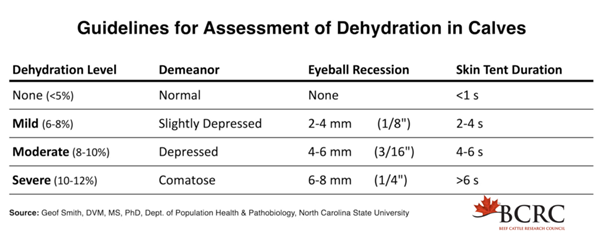
Mild dehydration can be corrected by oral electrolytes and TLC, however if a calf becomes recumbent and lethargic, it is time to call the vet to give IV fluids. There are a few things to check to get an idea of hydration levels.
- Demeanour ~ if a calf is slow to stand, reluctant to drink or seems weak / lethargic, it is likely suffering from dehydration and could benefit from rehydration therapy. Look out for calves which are staggering or off balance as a sign of dehydration.
- Sunken Eyes ~ eyes can appear sunken or hollow as the fat pad behind the eye shrinks due to water loss – this is an indicator that your calf is suffering from fluid loss.
- Skin Tent ~ pinch a fold of skin on the calf’s neck and let it go. In a hydrated calf, it snaps back instantly. If it takes more than 2 seconds to flatten, the calf is dehydrated.
Correcting dehydration
Mild ~ Offer calf specific oral electrolytes in a bottle or bucket twice a day in between milk feeds. Ensure they have 24/7 access to clean, fresh water.
Moderate ~ If a calf is down and refuses to suck a bottle, you may need to use a stomach tube to deliver the electrolytes safely. It is important to ensure correct technique is used so you don’t drown the calf! Reach out to the practice for training if you are unsure.
Severe ~ Severe cases of dehydration require veterinary assistance to provide appropriate IV fluids.
The Impact of Heat Stress and Dehydration
Dehydration isn’t just about being thirsty, it has a massive impact on the calf’s body:
- Reduced Growth Rate
- Immune Supression
- Metabolic Acidosis
My top tips to help calves cope
- Electrolytes are a brilliant tool to support calves through hot weather. Water alone is often not effective to combat dehydration as essential salts are lost through sweat. Oral electrolyte solutions replenish these and correct any mineral imbalances. Electrolytes can be offered ad-lib during warm weather, in addition to a fresh clean water supply.
- Avoid non urgent handling e.g. vaccinating, disbudding, weighing during hot spells or if necessary, do so early in the day to beat the heat. Where possible, provide shade and maximise ventilation.
- Flies thrive in warm, humid conditions. Stable flies and Horn flies bite, increasing stress to animals and Face Flies are responsible for spreading diseases such as Moraxella Bovis which causes pink eye. While traditional sprays work, integrated fly management is the most effective way to break the fly life cycle.
- Biological controls such a parasitic wasps can be a great addition to calf housing when flies are causing problems.
- Utilise technology ~ we have environmental monitoring devices within the practice that we can place on farm to gather live environmental data including temperatures, humidity and ammonia levels. This can help highlight pinch points in a system which might be the difference between a calf just getting by and one that’s thriving.



Leave A Comment