
By Mark Marcello
With the end of summer and autumn around the corner, it’s a good time to discuss a few tips and tricks on how to stay ahead of the curve in managing respiratory disease. Regardless of the management system, calves are most at risk for respiratory disease.
What is pneumonia?
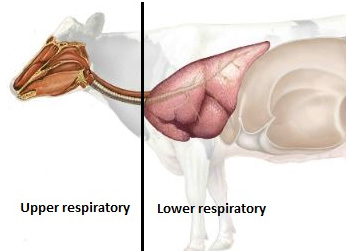
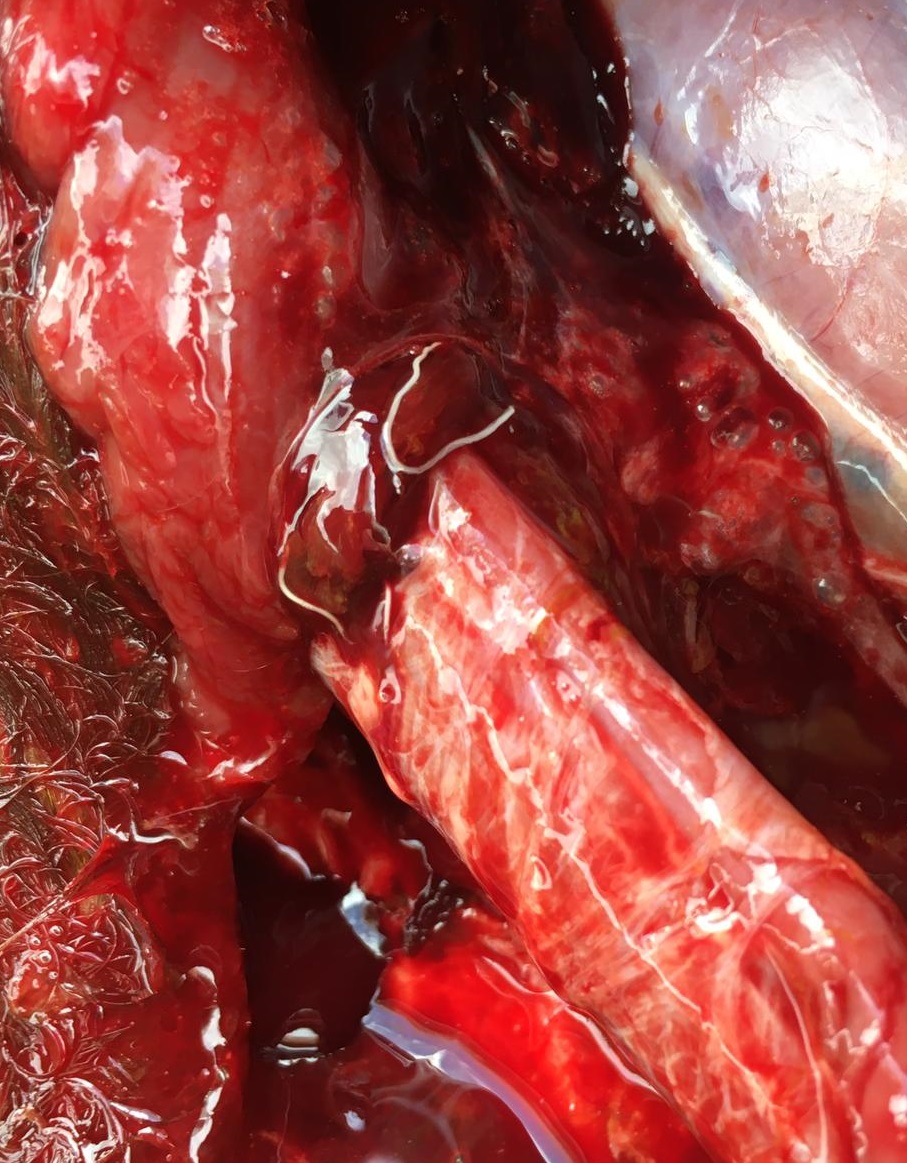
While often called “pneumonia”, bovine respiratory disease (BRD) is a disease that can affect the upper respiratory system, causing laryngitis/tracheitis, or it can affect the lower respiratory system i.e. the lungs, causing pneumonia. Respiratory disease may primarily affect the upper or lower respiratory system; however, severe cases may impact the entire respiratory system.
Bovine respiratory disease may be caused by many different infectious agents, and often in combination. These infectious agents include viruses, bacteria, or lungworm. While farm-tailored vaccine protocols are vital for mitigating disease pressure, the same basic environmental and pre-weaning guidelines apply for preventing most causes of respiratory disease.
What makes a good respiratory environment?
Well-ventilated
Assessing adequate airflow at the level of animals is essential. For airspaces it is a fine balance between being too stuffy and draughty.
Adequate drainage (inside)
To avoid excess humidity, it is important to fix leaks promptly and avoid pooling of water around troughs and edges of pens.
Shelter (outside)
It is important to provide some form of shelter outside where animals can huddle for warmth during adverse weather, especially in groups containing only young animals.
What are the early signs of respiratory disease?
As with all diseases, early detection and then prompt effective treatment (ED-PET) is key. While most people working with animals are familiar with “the signs of pneumonia” these are actually late signs of respiratory disease:
-
- Droopy ears
- Nasal discharge
- Coughing
- Increased breathing rate and breathing effort
- Increased temperature
Tuning into earlier signs may allow us get ahead of an outbreak
Feeding slower than usual
Tis is easier assessed in reared calves as opposed to sucklers; however an attentive herdsman may pick out a suckler calf which may look a bit emptier, suckling less vigorously or taking multiple breaks to breath between sucking.
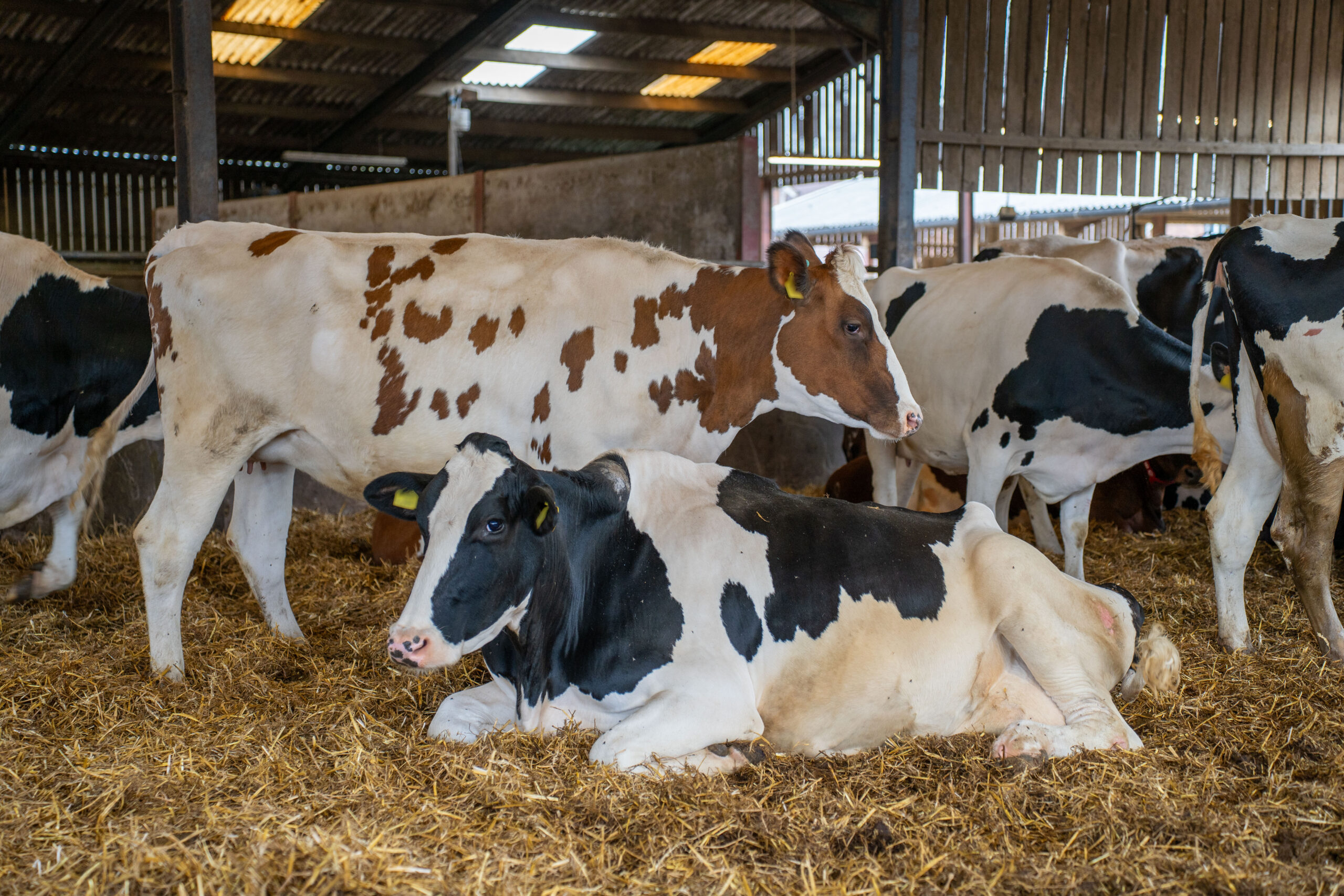
Increased lying time
One of the earliest signs of a sick calf is spending more time than usual lying down.
Decreased exploratory behaviour
A calf that is starting to feel under the weather will engage less in normal behaviours which include playing with other calves or exploring its environment.
There are new precision livestock farming techniques coming out in the industry to measure these early signs from various metrics in an automated way. While these tools may not be accessible to all farms, the keen eye of a herdsman goes a long way to detect these early signs of disease.
What makes a respiratory disease resilient animal?
Colostrum of good quality and quantity ASAP
If there is not adequate colostrum intake early enough none of the other management changes will work.
Excellent colostrum management is the foundation for disease resilience.
Nutrition
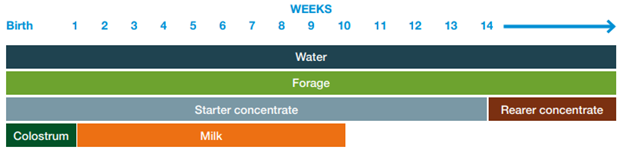
It is vital to provide adequate quantity and quality of feedstuff for calves pre-weaning. This includes feeding adjusted to environmental temperature (we have to feed more when it is cold) and providing appropriate starter concentrate as well as roughage for calves (ideally chopped straw the width of a calf’s nose). From day 0, water, starter concentrate, and forage should be provided for good rumen development


Farm-tailored vaccine protocol
While it is important to implement a farm-tailored vaccine protocol for respiratory as well as other diseases you can not vaccinate against poor management. Management changes and vaccination for respiratory disease may go hand in hand to build a more resilient herd.



Leave A Comment