
By Holly Dodd -SQP
As the grazing season has started it is crucial to be proactive about parasite control. Worm egg counts are a simple but effective way of managing your worm burden and act as a good indication of whether to worm and treat your herd or not.
What is a parasite control plan?
A parasite control plan (PCP) is when our techs come out once a month and take a facel sample of the cattle that have been turned out, prioritising first time grazers who are most vulnerable to worms, and you receive the same day results in a report. By regularly monitoring WEC’S you can target treatments more effectively reduce the risk of resistance and ultimately improve the health an productivity in your herd.
What is a WEC?
Collecting a fecal sample from a representative group of animals and analysing them back at the practice using our micron kit. The report will present to you the number of eggs present in every gram of feces, giving you a good indication of the level of parasites in your herd. These reports are useful for knowing which group of animals are the most affected and carry the highest worm burden and whether treatment is required. We can also do reduction test to indicate whether the treatment has been successful or not and contemplate whether there is any anthelmintic resistance which is an ongoing issue in cattle farming.
Why a PCP?
Implementing a PCP programme can benefit your business significantly, by only giving necessary treatment can reduce the overall usage of anthelmintics protecting the environment and soil health, saving money and reducing the risk of anthelmintic resistance. The PCP contributes overall to the health and welfare of cattle by better growth rates, focusing on milk yields, and reproductive performance.
Keep an eye out for Lungworm
It is very important to keep an eye out for lungworm if you are doing a parasite control plan and have NOT vaccinated your herd with lungworm.
Lungworm signs
- Sudden death
- Persistent, harsh cough
- Difficulty breathing or a change in rate or pattern of breathing
- Rapid weight loss
- Frothy saliva around the mouth and mouth open with extended neck
- Milk drop in milking animals
If you need any advice on lungworm or spot any of these symptoms, please speak to your vet.
This season we are making parasite control plans and maximise the potential for a healthier and more productive herd, if you want to get involved with a parasite control plan then please get in touch with our SQP.
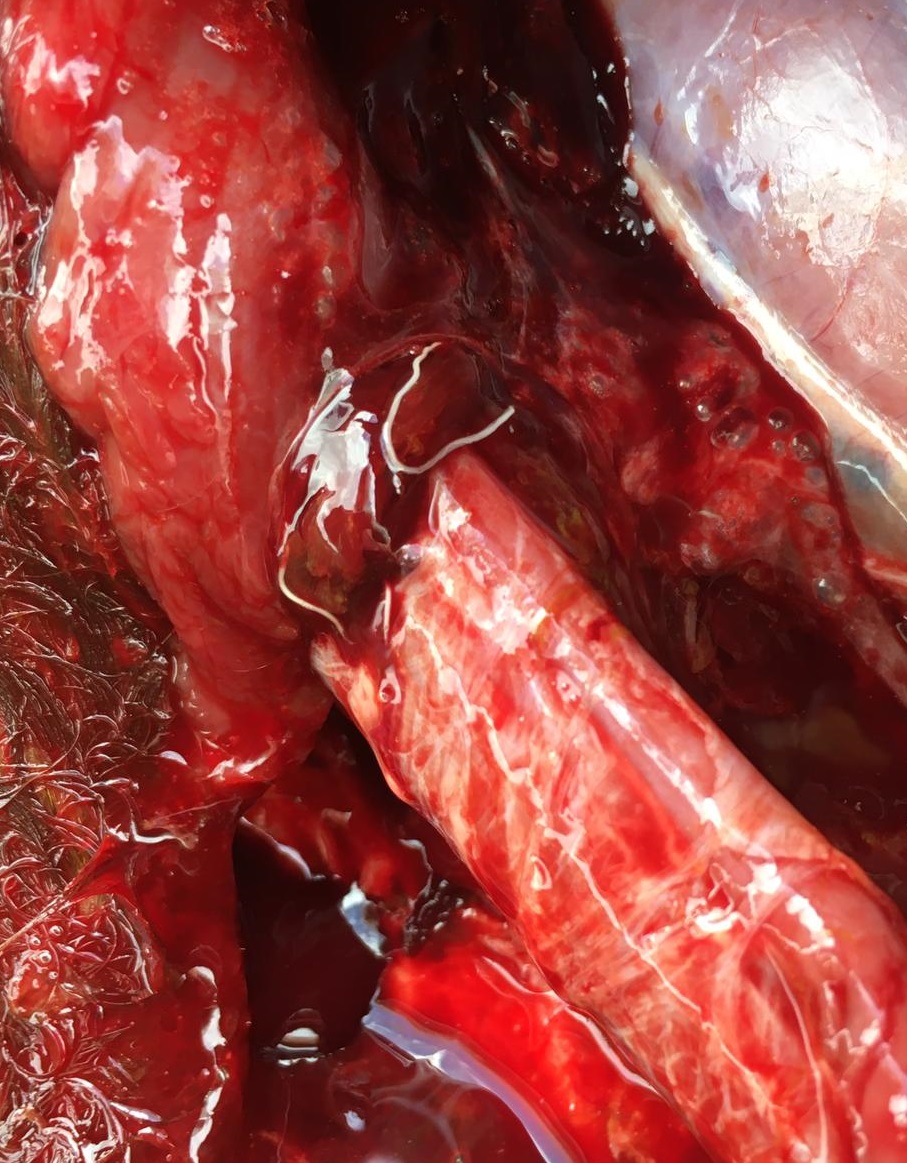
Lungworm found in postmortem





Leave A Comment