
By Carla Bleasedale
Trace elements are dietary substances required by ruminants in very small amounts, but they have a huge influence on flock health and performance. In sheep, the most important are selenium, cobalt, iodine and copper. They underpin key metabolic processes driving fertility, lamb survival, growth and disease resistance. When out of balance, effects are often subtle initially but can significantly impact productivity.
For many flocks, demand is highest in late pregnancy and around lambing, when ewes are under the greatest nutritional pressure. At the same time, sheep at grass often rely on forage alone, and mineral supply from pasture can vary widely depending on soil type, rainfall and grazing conditions. Wet seasons and free-draining soils are often linked with deficiencies. This means even well-managed flocks can experience deficiencies without it being immediately obvious, showing up as reduced performance.

Animals most at risk:
- Growing lambs
- Pregnant ewes (especially mid–late pregnancy)
- Ewes pre-tupping
Understanding the Key Trace Elements
Each trace element plays a specific role, and deficiencies show up in different ways.
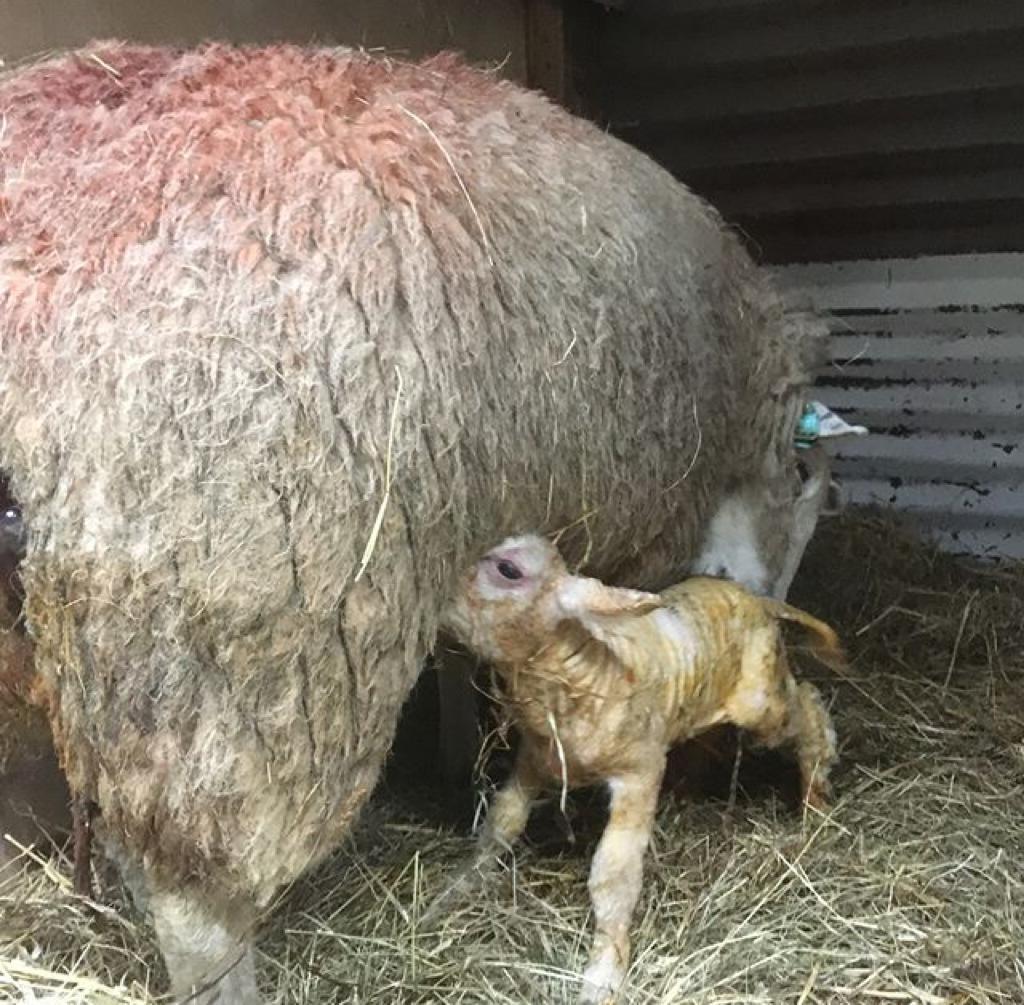
Iodine is essential for thyroid hormone production, regulating metabolism and foetal development. Low levels can result in weak lambs, poor suck reflexes, stillbirths or goitre.
Cobalt is required for vitamin B12 production in the rumen, making it vital for energy metabolism. Deficiency is classically seen as poor thrive in lambs but can also affect fertility and productivity in ewes.
Copper is involved in many enzyme systems and is often linked to fertility or growth issues. However, nutrition is rarely straightforward. Deficiency can cause poor growth and reproductive issues, but availability is often limited by interactions with molybdenum, sulphur and iron. Sheep are also highly sensitive to copper toxicity, so supplementation must be carefully managed and based on testing.
Selenium, working with vitamin E, supports immune function and reproduction. Deficiency can lead to increased disease, poor lamb viability and retained placentas, while excess can be toxic.
Taking the Guesswork Out
Visual assessment or relying on what has “always been done” doesn’t give the full picture, and both deficiencies and excesses can exist within the same flock. The most reliable approach is testing.
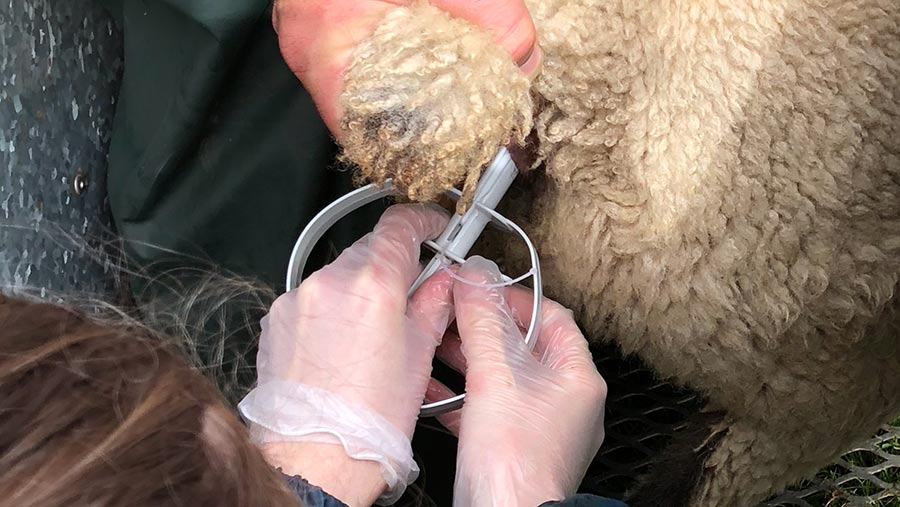
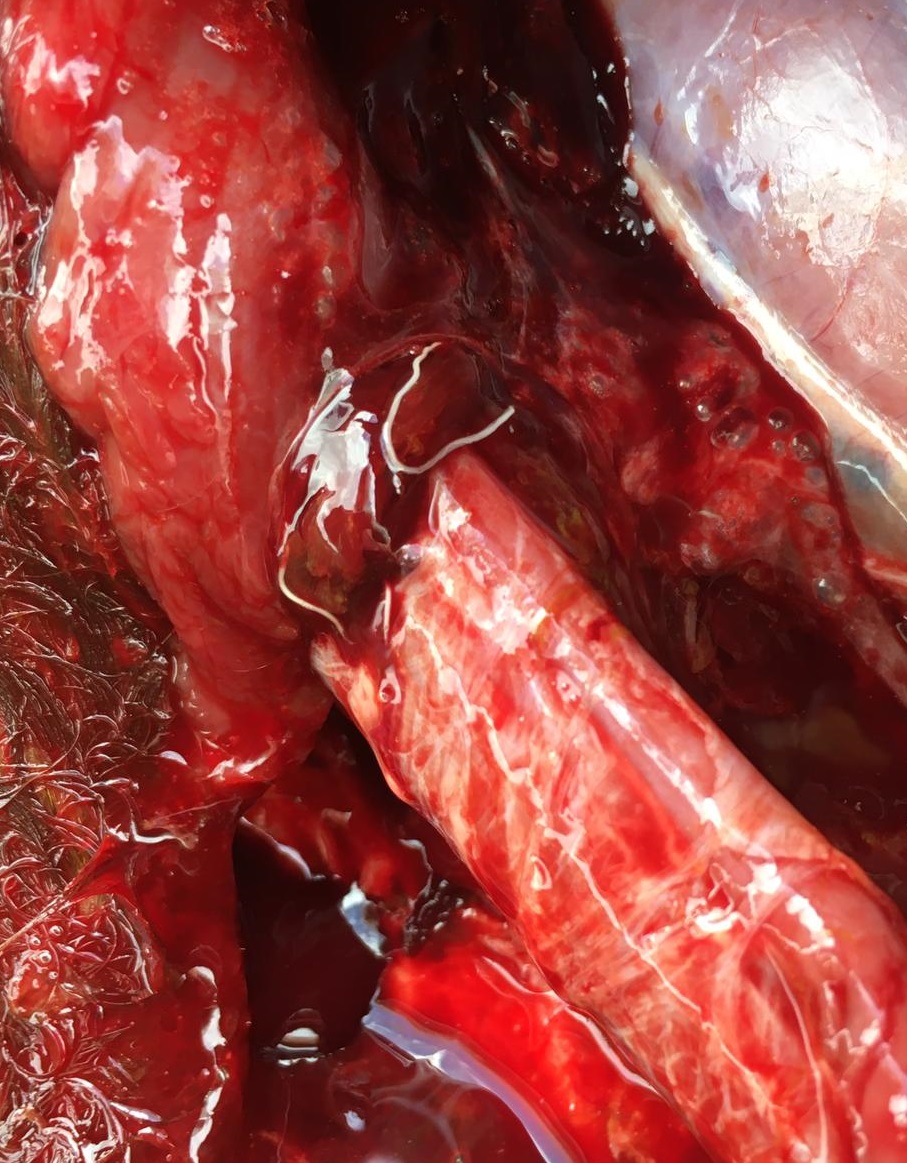
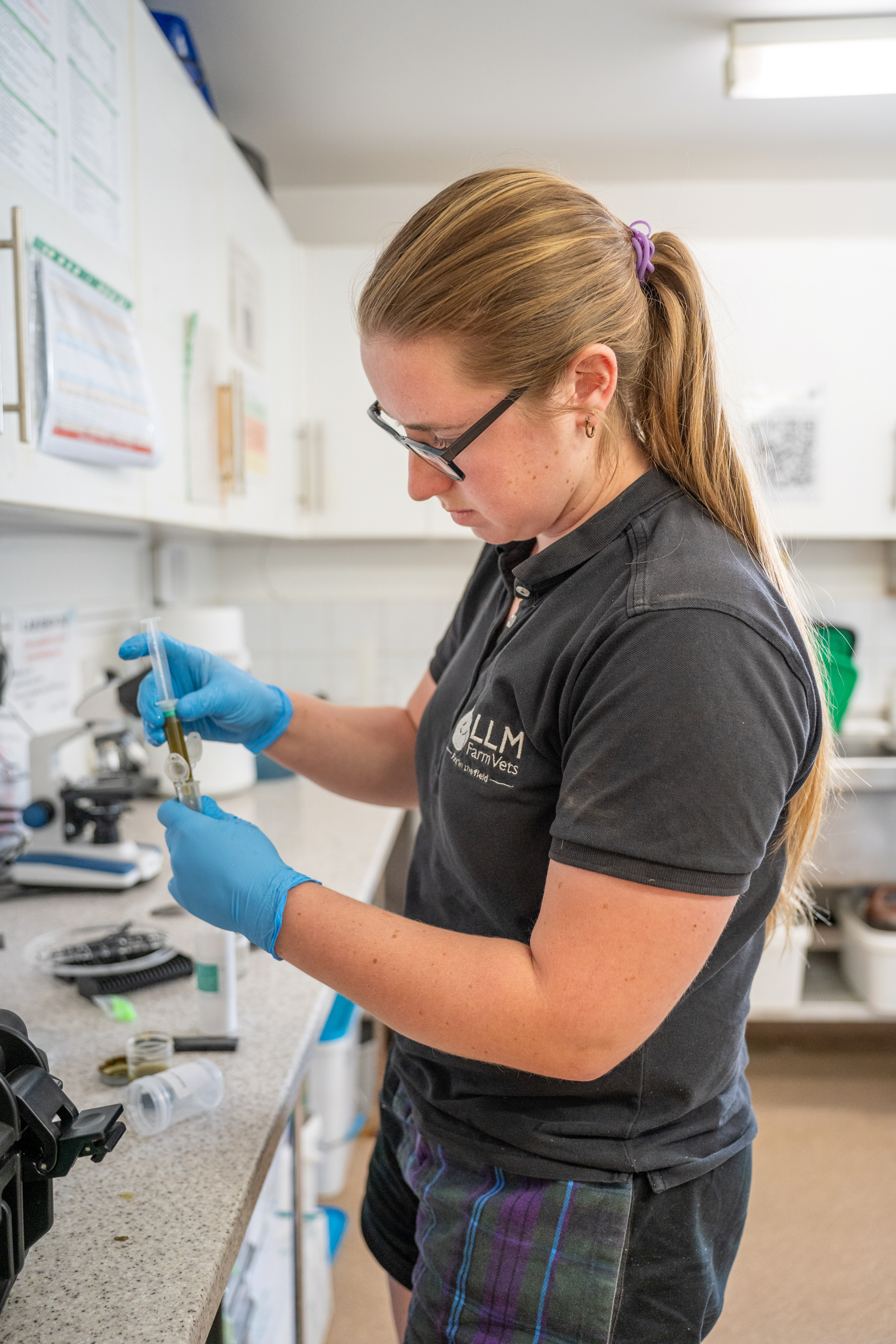
Blood sampling provides a useful snapshot of current mineral status, particularly for iodine, selenium and cobalt, while liver sampling offers a longer-term view. As the main storage site for several trace elements, the liver gives a more accurate indication of overall status and helps detect both deficiency and accumulation before clinical signs appear. This is particularly valuable for managing copper safely.
Working With You
Through the Animal Health and Welfare Pathway, there is an opportunity to investigate trace element status as part of improving flock health and productivity, including vet input, testing and planning.
Final Thoughts
Trace elements may be required in small amounts, but they have a large impact on flock performance. Getting them right can improve fertility, lamb survival and productivity, while getting them wrong—particularly through over-supplementation—can be costly.
If you would like to take a closer look at trace elements on your farm or discuss testing options, please get in touch with the practice—we would be happy to help.





Leave A Comment