
With temperatures rising and movement restrictions easing across England, the risk of new Bluetongue cases this summer is increasing. There have also been important updates to movement rules and control measures across England, Scotland and Wales. Read on for a summary of what’s changed, and what it means for you and your livestock
England: Whole‑Country Restriction Zone from 1st July
From 1st July 2025, a Bluetongue Virus (BTV‑3) restriction zone will be extended across all of England, replacing previous regional zones. This means cattle, sheep, goats and camelids can move freely within England with no tests required.
Vaccination is still strongly recommended. We have seen good uptake of vaccine at all three practices, but we continue to encourage you to think about vaccinating your flock or herd for BTV3.
Wales and Scotland: Maintaining Strict Controls
Wales and Scotland remain BTV‑free and are aiming to prevent or delay the entry of the disease by restricting movement of animals into the countries which could be infected.
Any ruminants or camelids imported live from England (now entirely in the RZ) must:
Have a negative pre‑movement test, taken within 7 days before movement.
Cattle may enter without a pre-movement test IF they are fully vaccinated cattle using the Boehringer Ingelheim’s Bultavo‑3 vaccine, and 21 days have elapsed since the second dose was administered.
Sheep still require testing regardless of vaccination status.
Farmers must also apply for a specific APHA licence before movement.
Direct movements to slaughterhouses in Wales and Scotland do not require pre‑movement testing, but must comply with general licence rules (this can be found on the GOV.UK website).
Pre-movement tests must be privately funded, with labs needing 72 working hours and tests valid for 7 days after 1st July (previously tests were valid for 10–21 days).
Clinical Signs – A reminder
Bluetongue virus presents most severely in sheep, where common signs include high fever, swelling of the face, lips, and tongue (which may appear bluish in colour), nasal discharge, difficulty breathing, and lameness. Affected sheep may also show excessive salivation, mouth ulcers, or in some cases, sudden death.
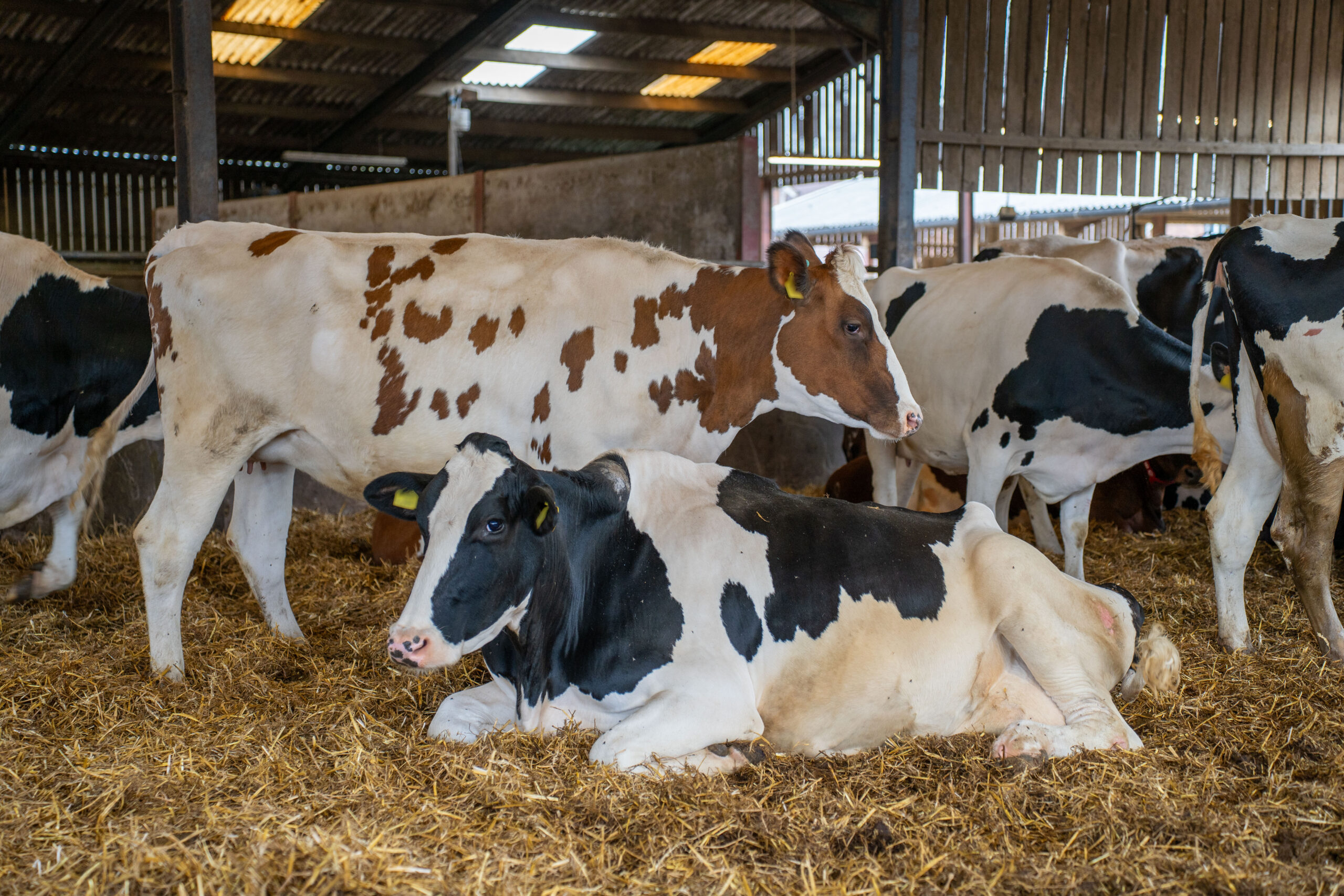
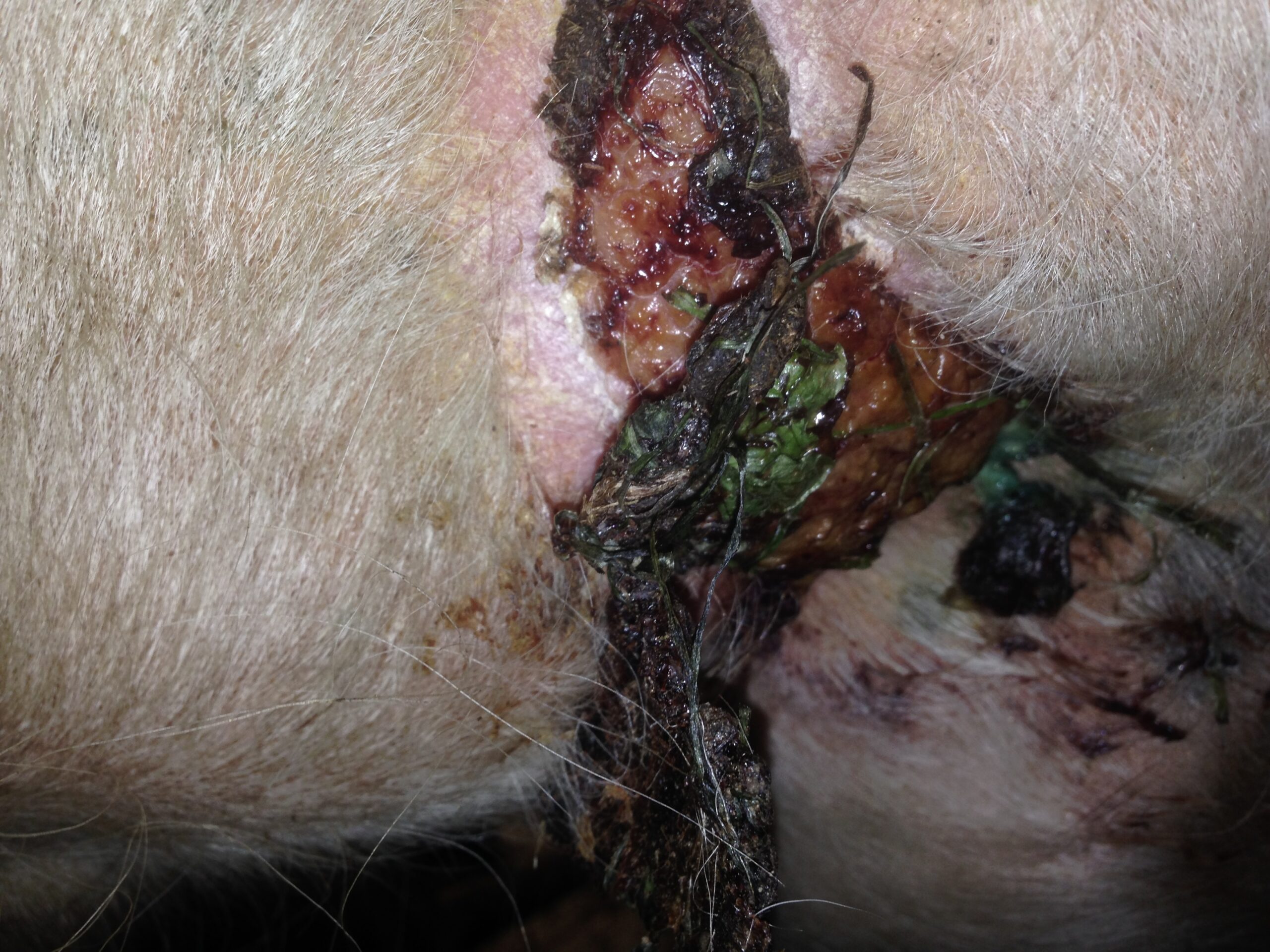
In cattle, symptoms are often milder or even absent, but when present may include crusting or reddening around the eyes, nose, or teats, swelling of the lips or tongue, lameness, fever, oral ulcers, and a drop in milk yield. In affected European countries there have been large spikes in abortion rates early in outbreaks, and twice as many cattle dying from “all causes” during the outbreak.
Goats, deer, and camelids typically show few, if any, clinical signs but can still harbour and transmit the virus.
As a reminder, bluetongue is a notifiable disease and any suspected cases must be reported to APHA without delay.


Leave A Comment