
Our own Will and Natalie spent time last year digging into udder cleft dermatitis (UCD) – turns out it’s a lot more widespread on UK dairy farms than most of us would have guessed, but the good news is that it’s easy to treat once you know what you’re looking for.
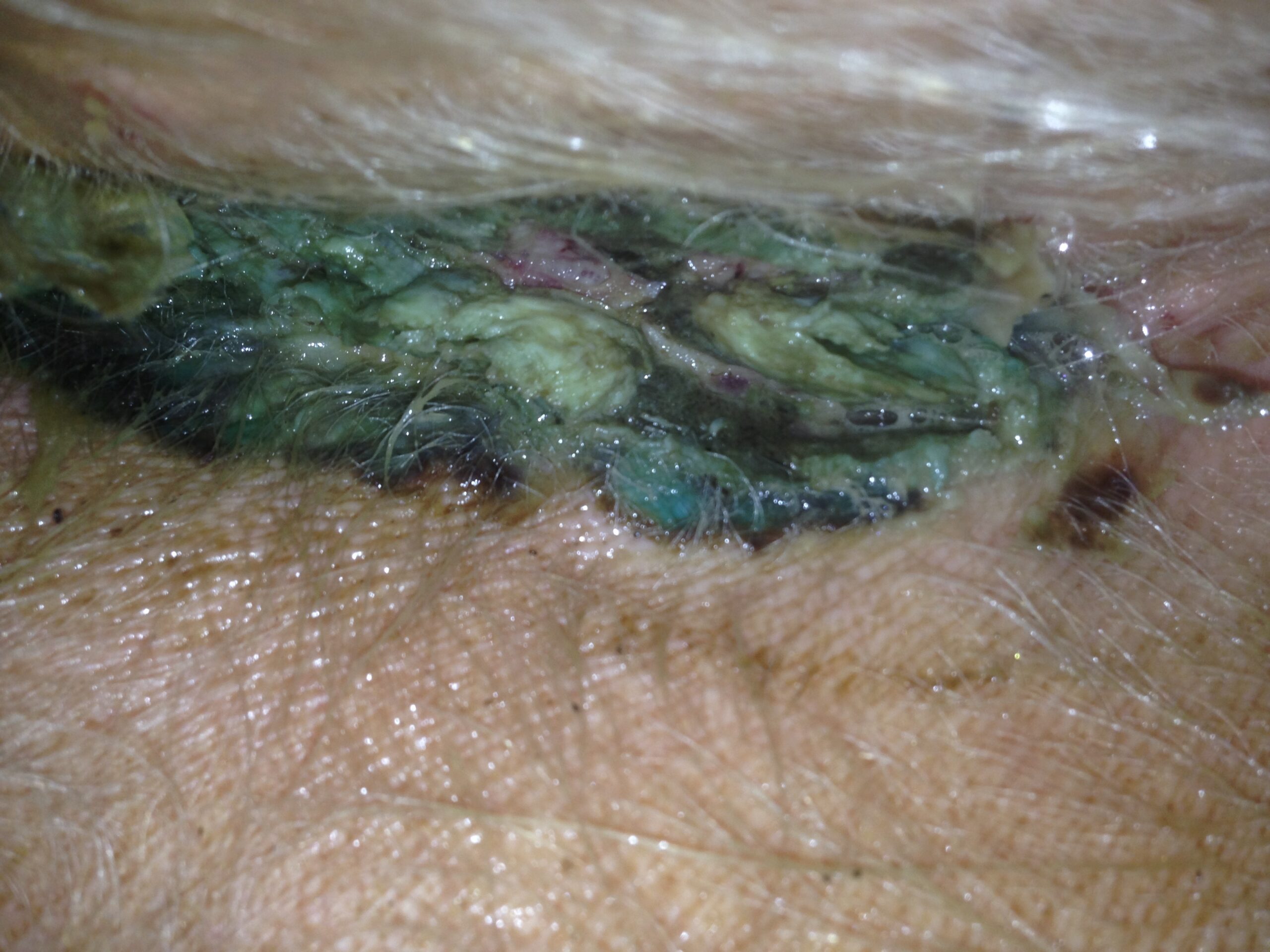
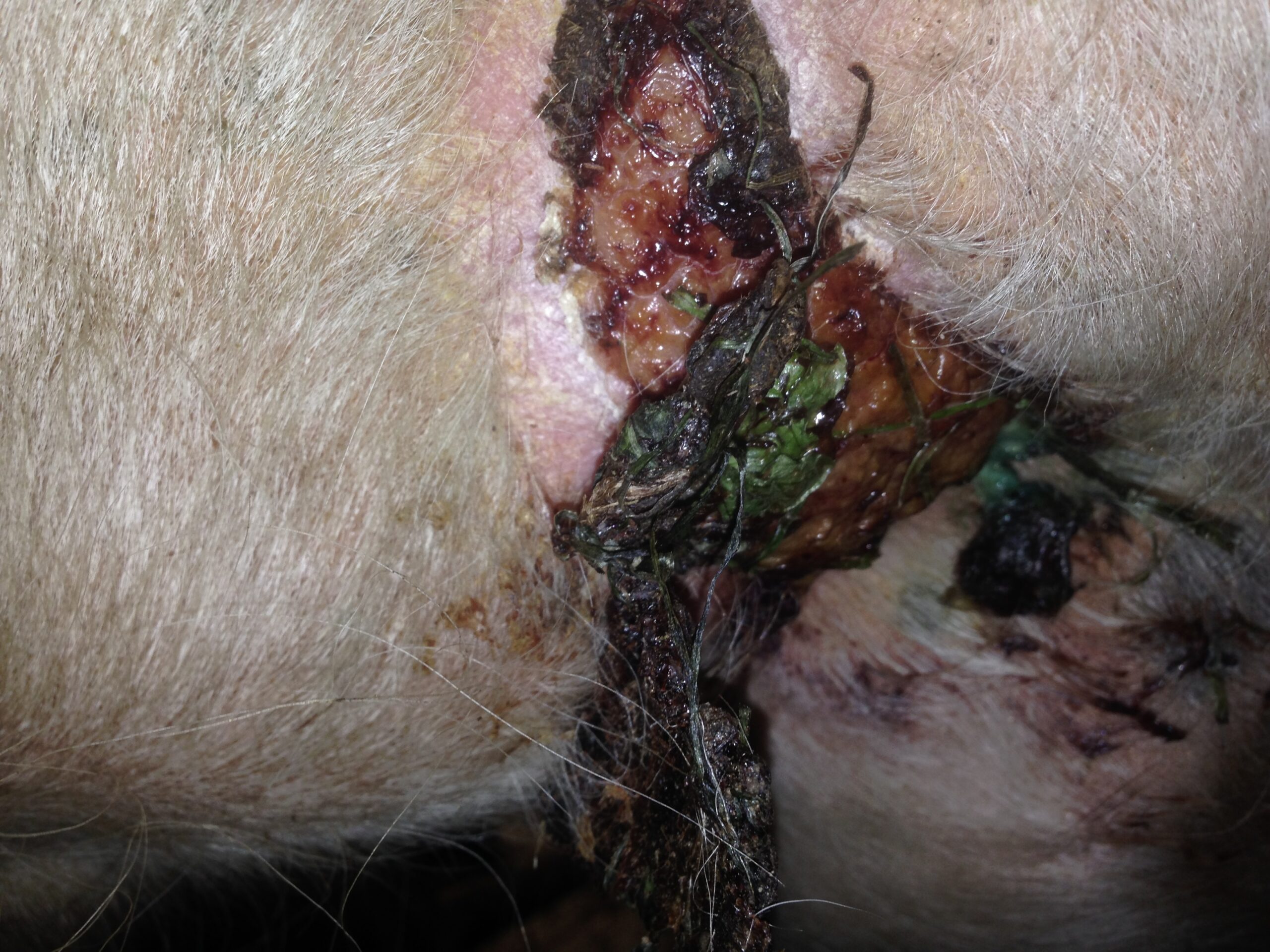
What is UCD, and why does it matter?
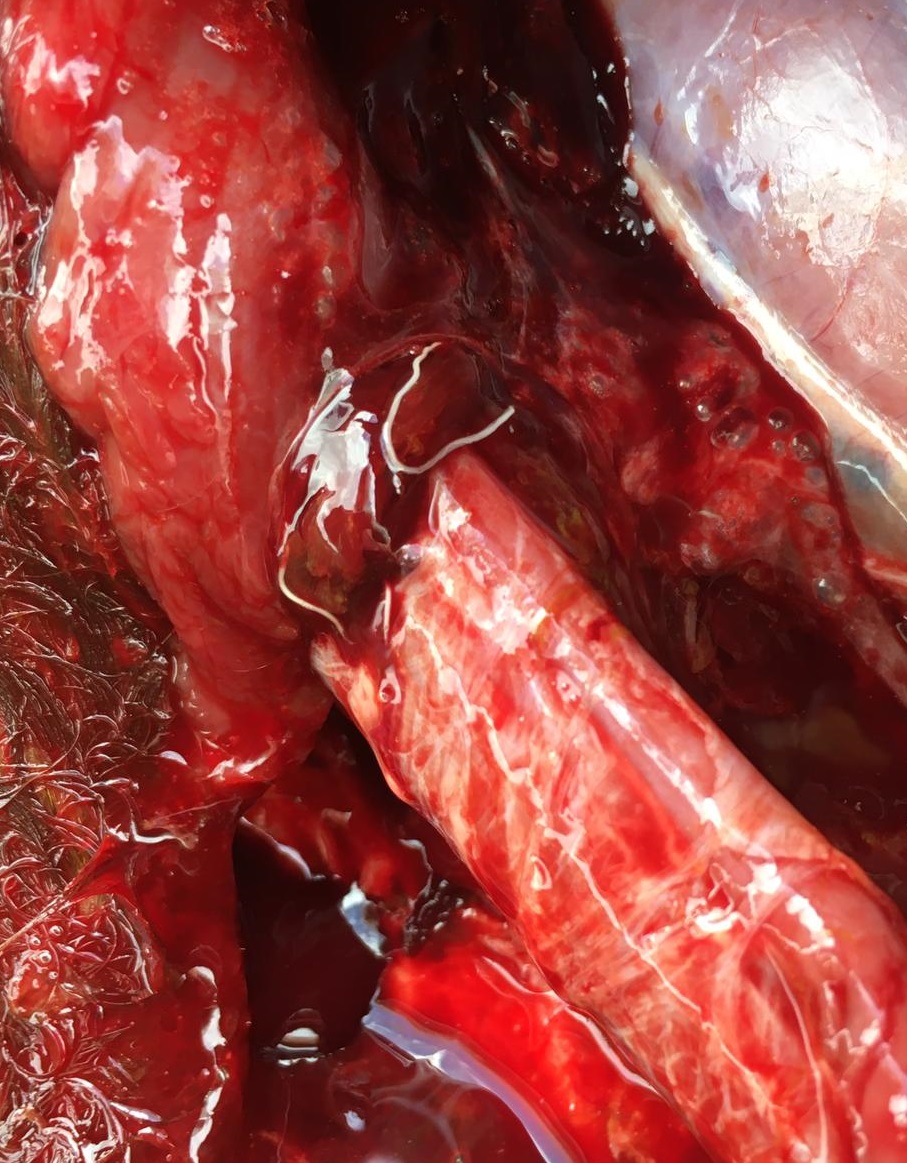
UCD develops where the front of the udder meets the body wall. Early on it can be easy to miss, but left untreated it can progress to ulceration, tissue damage and a foul-smelling discharge. In severe, chronic cases the infection can even spread into the milk vein and, from there, to the lungs, which can be fatal.
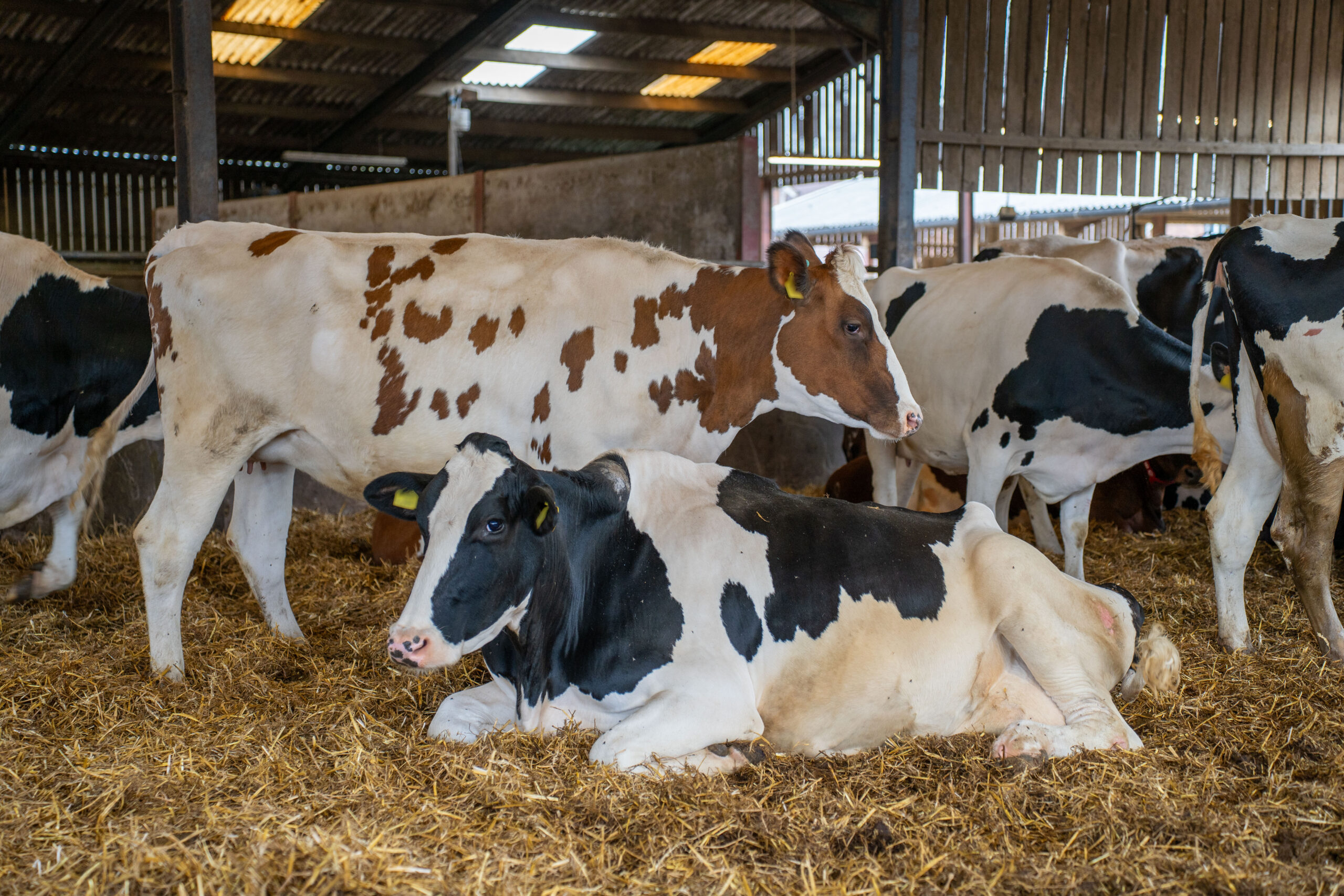
Will and Nat (plus helpers!) surveyed 28 dairy herds within an hour of our Whitchurch practice and found that, on average, 9.9% of cows were affected. That’s nearly one in ten. The range was wide too, from 0.7% up to 27.4% on some farms, which tells us this is a condition that can build up quietly in a herd without anyone noticing.
That was one of the main things we picked up – most of the farms in our study had no idea there was a problem until they picked up on a smell, by which point it had often been developing for a while. It’s hard to spot early but abit of regular checking can catch it long before it starts to smell.
We also looked at what makes some cows more susceptible than others. Udder shape turned out to be a main factor: cows with a deep cleft and a narrow angle between the udder and the body wall were more likely to develop UCD, and older cows with larger udders also seemed to be at greater risk.
What you can do about it
We only want to undertake research that’s useful, so looked at practical ways to catch and manage UCD early, and the takeaways are simple enough to fit into routines you’re already running:
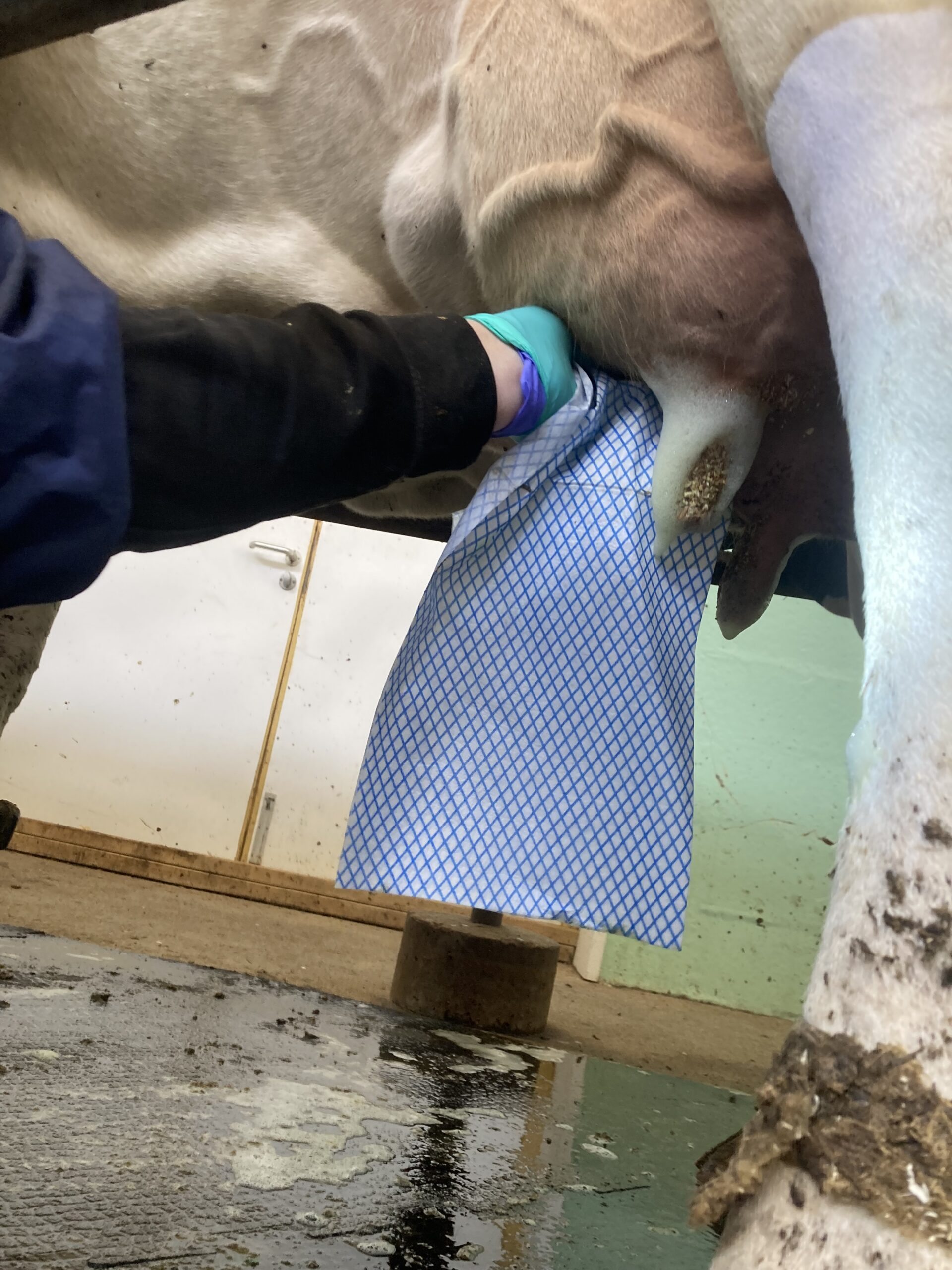
- Have a look while you milk. An inspection mirror used during parlour time is an easy, efficient way for you or your VetTech to check udders without holding anything up.
- Treat early, and treat simply. A waterproof, zinc-based barrier gel applied straight in the parlour has been giving great results, particularly on early lesions.
- Cows tend to tolerate the gel better than sprays, and it’s easier to apply consistently – Nat’s got this system sorted, so speak to her for some advice.
- Make use of foot trimming time. With the cow already in the crush, it’s a good moment to check the udder cleft as well as the feet, and treat anything you find.
- Think about conformation in your breeding decisions. If UCD has been a recurring issue in your herd, selecting for a strong fore udder attachment may help reduce the problem over time.
- Talk to us. If UCD keeps cropping up despite your best efforts, get in touch and we can help put together a targeted monitoring and treatment plan for your herd.
With everyone under pressure to use less antibiotics, manage costs and keep welfare front and centre, a bit of regular screening and early treatment for UCD is a small habit that can make a difference/.
Want to know more, or think this might be worth a closer look on your farm?
Speak to your vet at your next visit; we’re always happy to talk it through.





Leave A Comment