
By Laura Hughes
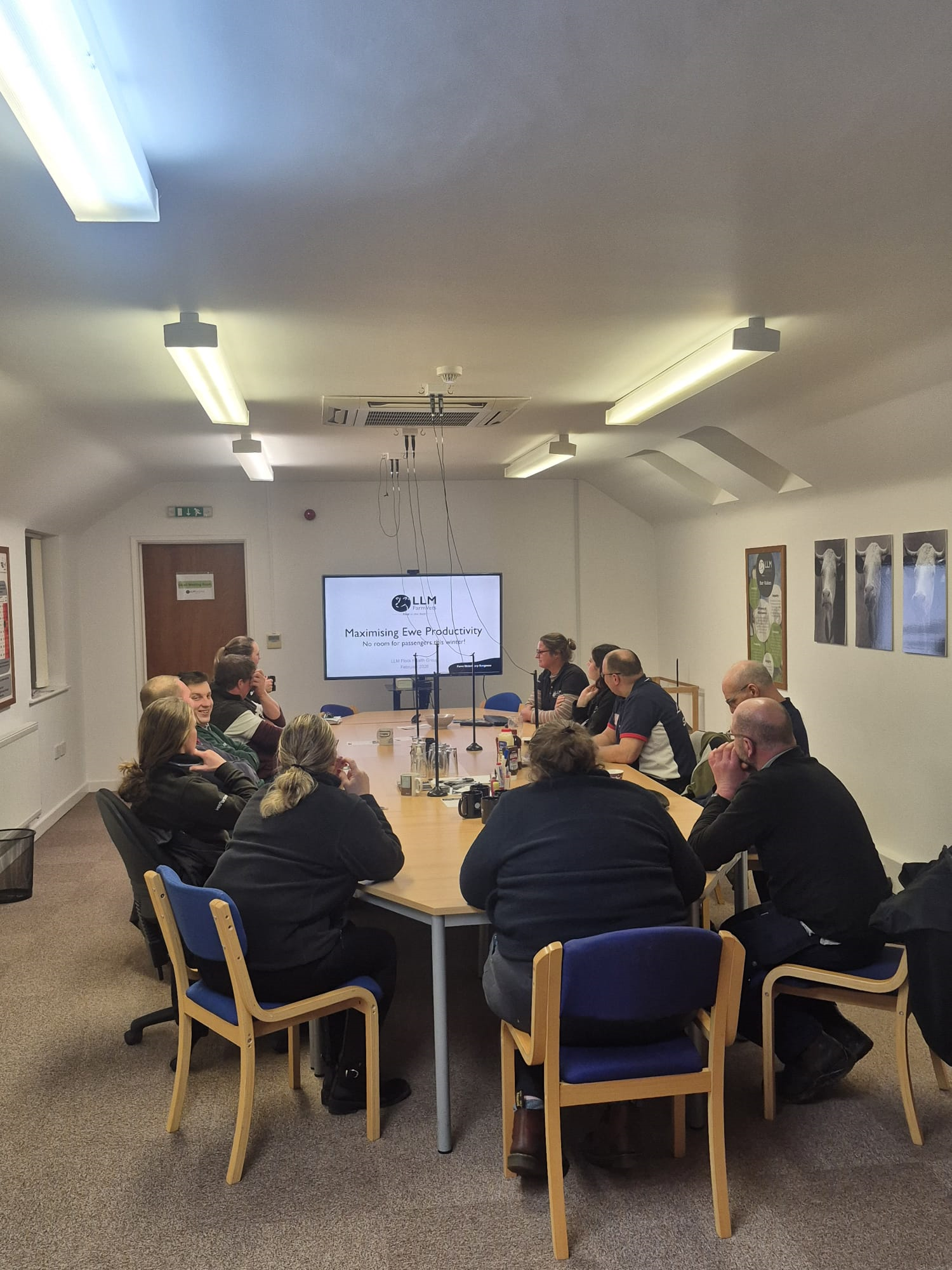
Our most recent flock club meeting focused on ewe productivity and possible reasons behind poor scanning results seen in flocks across the country this season. Kindly sponsored by MSD, topics covered included “Iceberg” diseases – Maedi-Visna, Johne’s, CLA, and Ovine Pulmonary Adenocarcinoma. These diseases can go undetected within a flock and negatively impact scanning percentages and milk yield, resulting in fewer lambs and reduced growth rates.
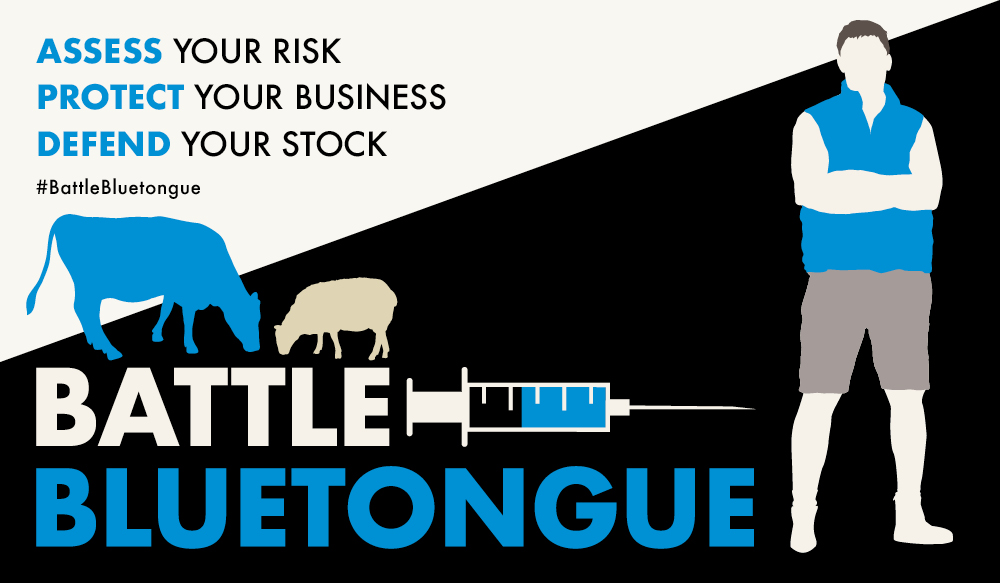
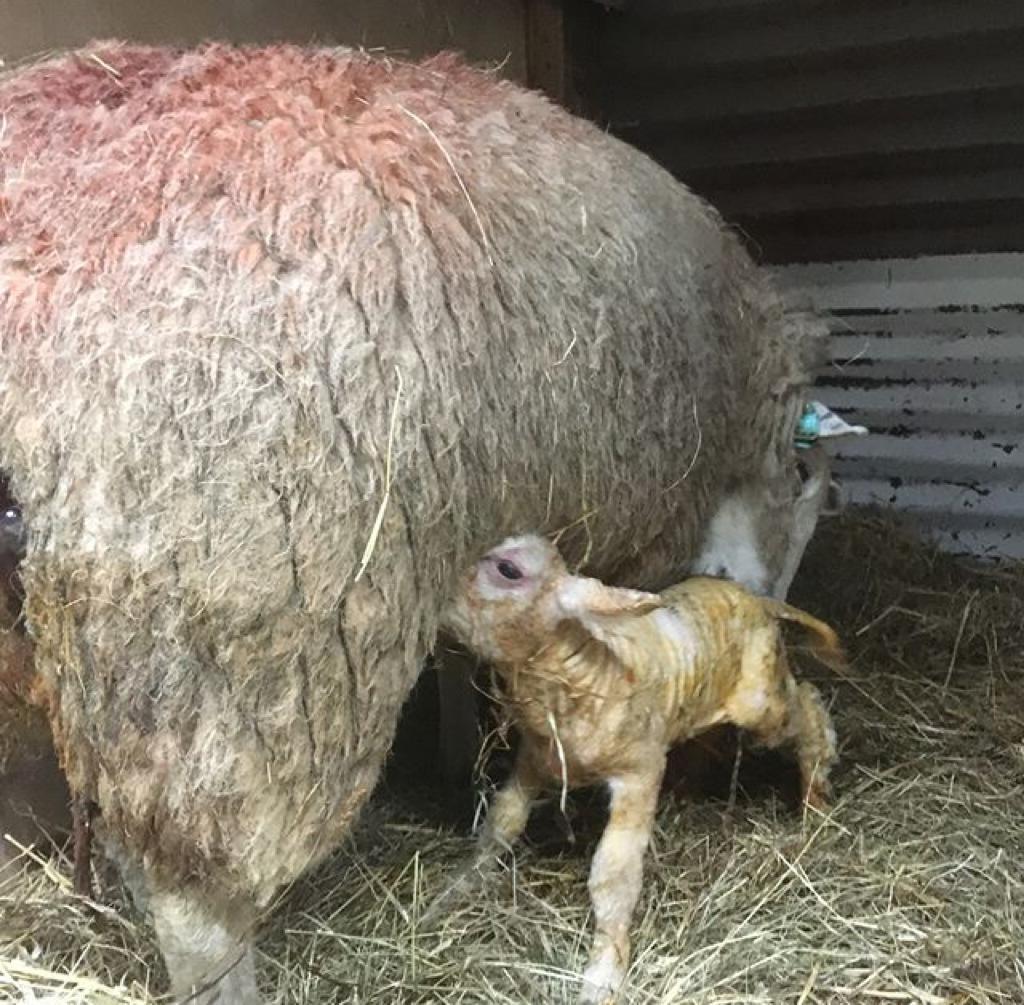
We also discussed Bluetongue and Toxoplasmosis as causes of increased numbers of ewes being barren at scanning. BTV infection in early pregnancy can result in embryonic loss without the ewe displaying clinical signs. It is likely that BTV infections have been under-reported this season in both sheep and cattle. Toxoplasma oocysts are picked up from the environment and cause no problem to non-pregnant sheep. If ewes become infected during pregnancy, the organism attacks the placenta and causes embryonic death as well as later losses from mummification, abortion, and full-term lambs born dead or too weak to survive. Vaccinating ewe lambs before they go to the tup provides lifetime immunity and is recommended as nothing can stop a Toxoplasma abortion storm once infection has occurred.
We covered “back to basics” nutrition, including how this winter it’s important not to overestimate forage quality following the challenging summer last year, and to ensure ewes have adequate trough space and access to water. Tests are available to assess whether late pregnant ewes are on an adequate plane of nutrition, helping avoid problems such as twin lamb disease.
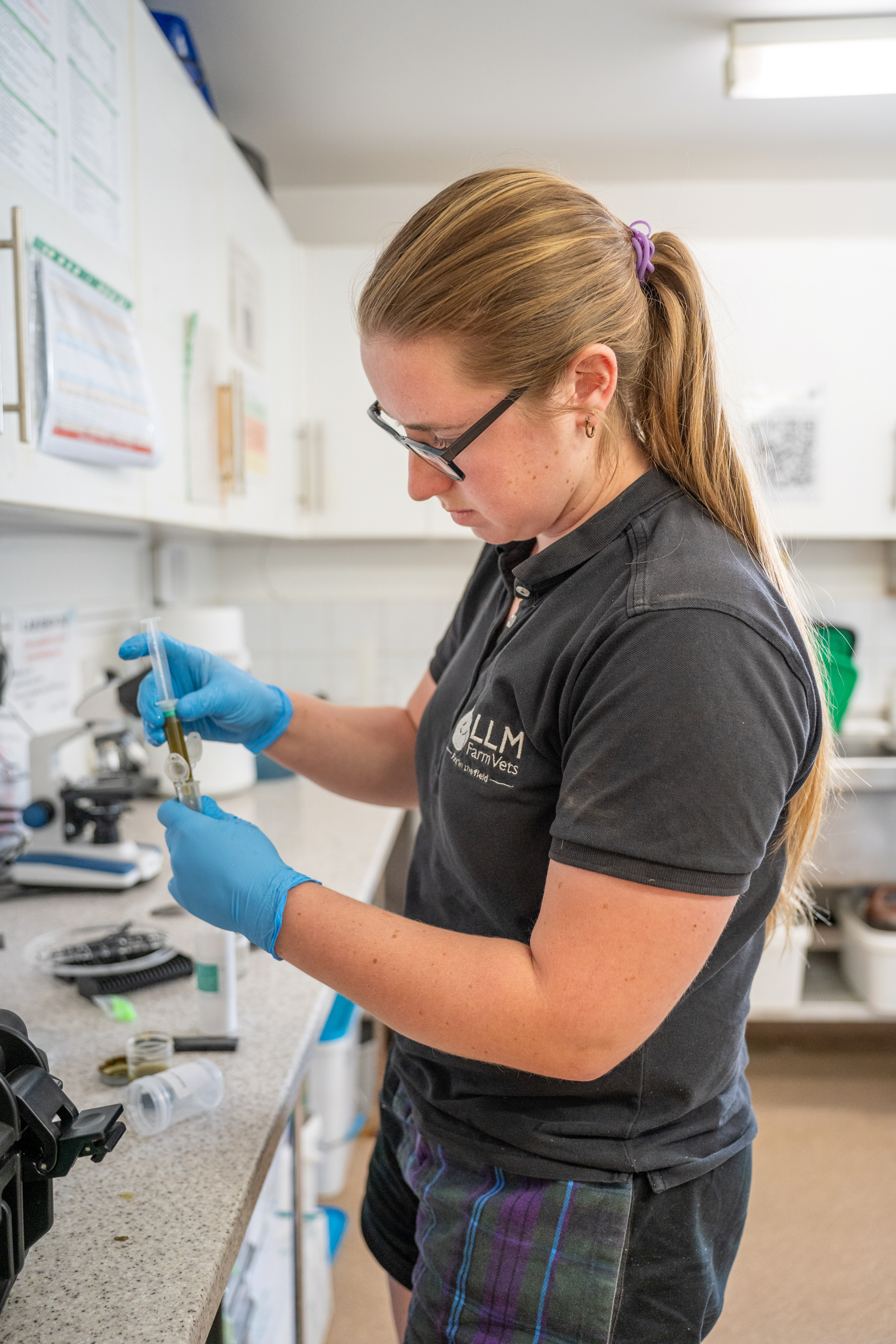
Finally, we had a recap of internal parasites – gut worms and liver fluke – which are worth considering if ewes are in poor body condition or not performing as expected. There is now a wider range of testing options for liver fluke, which can detect infection earlier than traditional faecal egg detection, enabling more informed treatment decisions.
Remember, funding is available for farms in England through the Animal Health and Welfare Pathway, which can fund testing and veterinary advice for many of the conditions covered in this meeting. The scheme runs until 2027, so even if you haven’t signed up there is still time to access funding and get visits in. Don’t miss the opportunity!



Leave A Comment