
By May Shaw, Clinical Vet in Derbyshire
With tupping just around the corner, now is the time to start thinking about getting your ewes in the best possible condition for breeding. For many flocks, this traditionally includes giving the ewes a wormer before the rams go in. However, does every ewe need treating?
The short answer is not necessarily. Adult ewes generally develop a good level of immunity to many of the worms that affect sheep, meaning routine whole-flock worming can often be unnecessary. Overuse of wormers also contributes to anthelmintic resistance, making the treatments we rely on less effective in the future.
Which ewes? Particular attention should be paid to:
- Thin ewes
- Ewe lambs and younger sheep
- Ewes showing clinical signs
- Flocks with a known worm problem
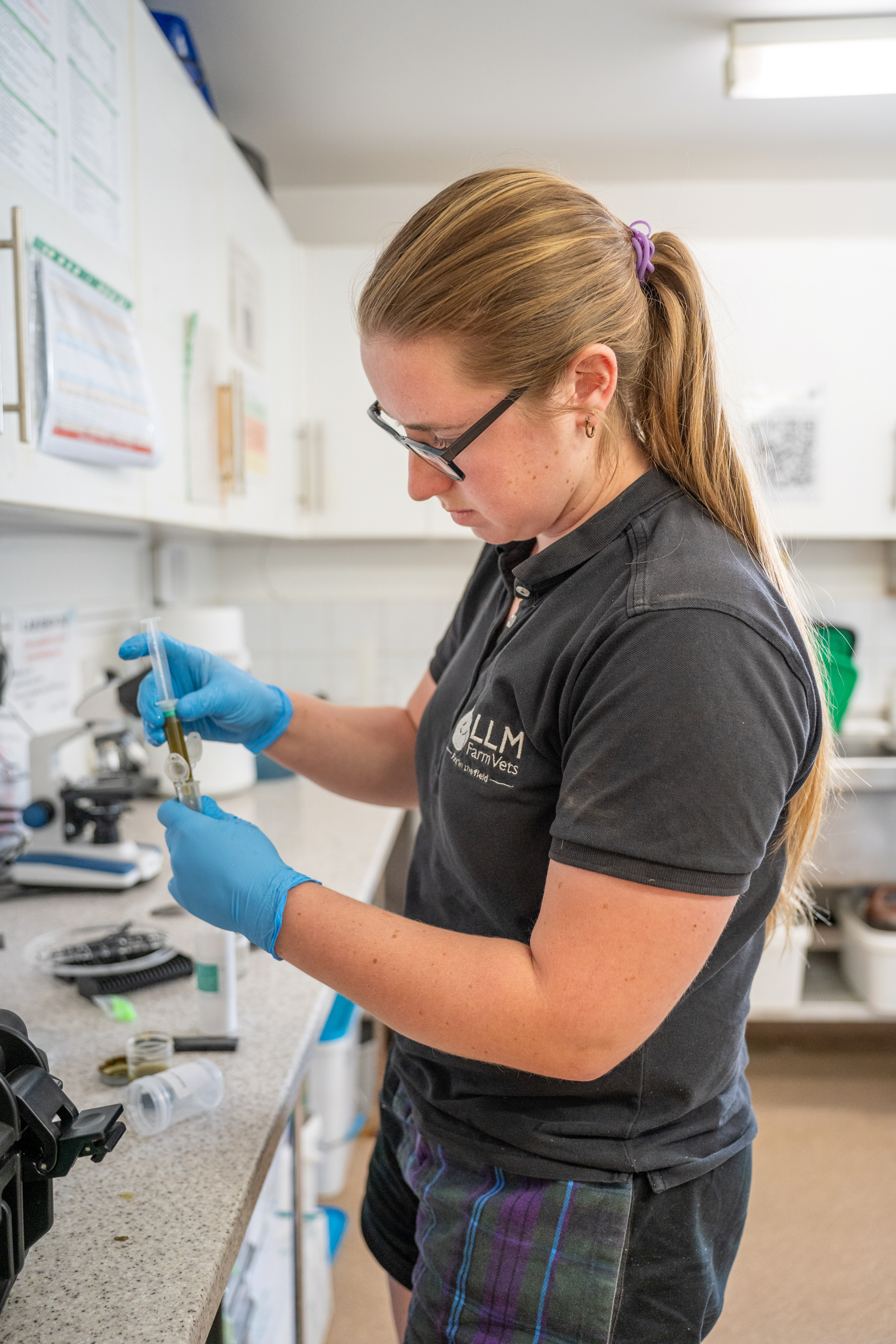
Faecal egg counts (FECs) may not be perfect, but can be a useful tool to help decide whether treatment is necessary. Rather than treating “just in case”, sampling a representative group of ewes can provide more information about the level of worm challenge within the flock.
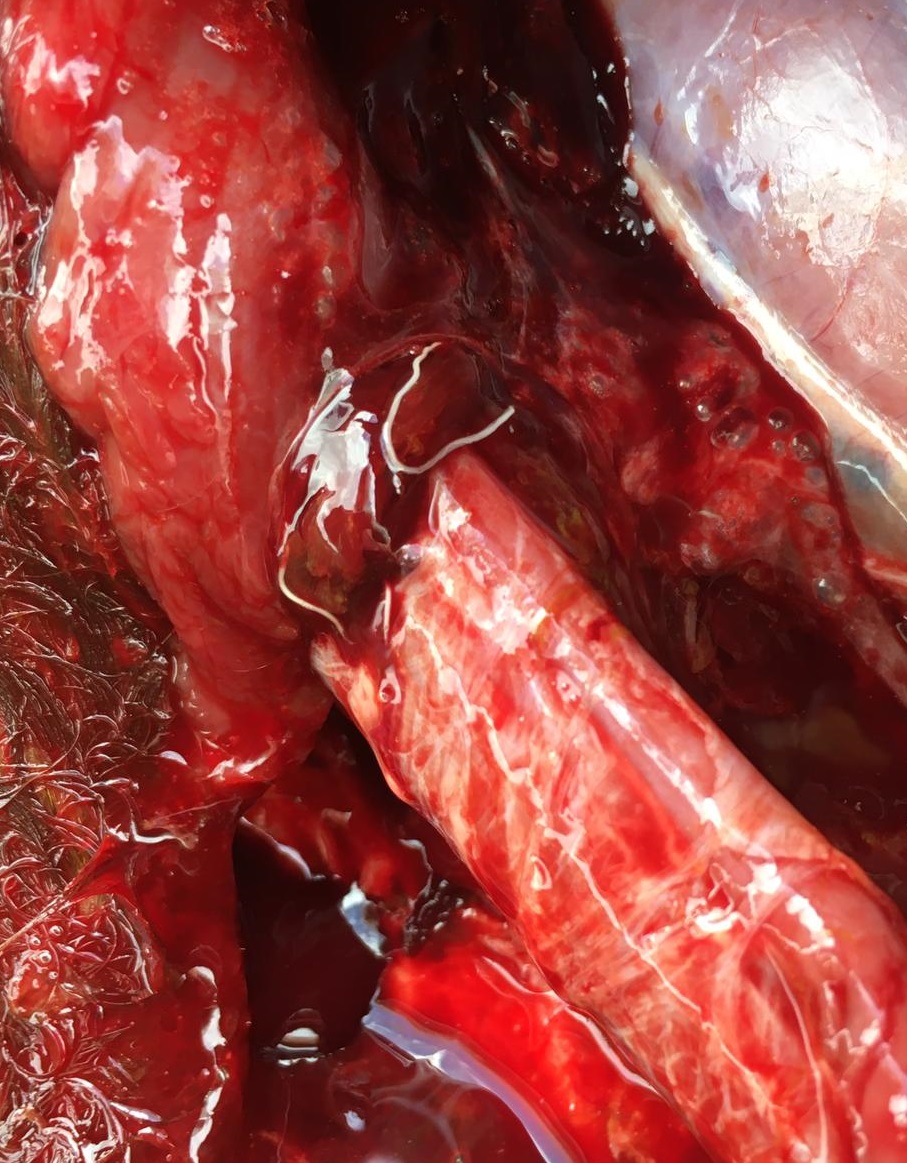
However, FECs do not detect every type of parasite equally well. For example, Haemonchus can cause significant disease before any eggs are even seen in the faeces – we’ve seen a couple of cases recently. So clinical signs and farm history are still important when deciding whether treatment is required.
Using the right product, at the correct dose, for the right animals and at the right time is much more sustainable than blanket treatment.
What should you do?
Before tupping, it is worth reviewing the health and parasite status of the flock and considering which animals, if any, may benefit from treatment. Body condition, age, previous parasite problems, and recent FEC results can all help inform this decision.
If you are unsure whether treatment is needed, your vet can help assess the risks on your farm and develop a parasite control plan that targets treatment appropriately.
Animal Health and Welfare Review – for sheep clients, remember you have access to up to £1200 on a single animal health and welfare review, plus follow up. This would include wormer reduction testing, and therefore could prove quite useful. You have until June 2027 to get the visits in.



Leave A Comment