
By Hannah Rowson, Clinical Vet in Whitchurch
With margins tight, are you optimising the forage, feed, and performance of your dairy herd?
Would you like these questions answered:
- Is my ration working?
- Are my cows actually eating what I think they are?
- Are there underlying problems I can’t see?
- Are some cows missing out on their share?
- Am I making the best use of my forage?
Metabolic profiling can be an efficient and helpful tool to assess the nutritional and health status of your herd. It can help fine-tune feeding practices and build greater understanding of how the herd can produce the milk quality, yield and margins you want to achieve. It can help identify problems before they can be noticed on farm – prevention is better than cure!
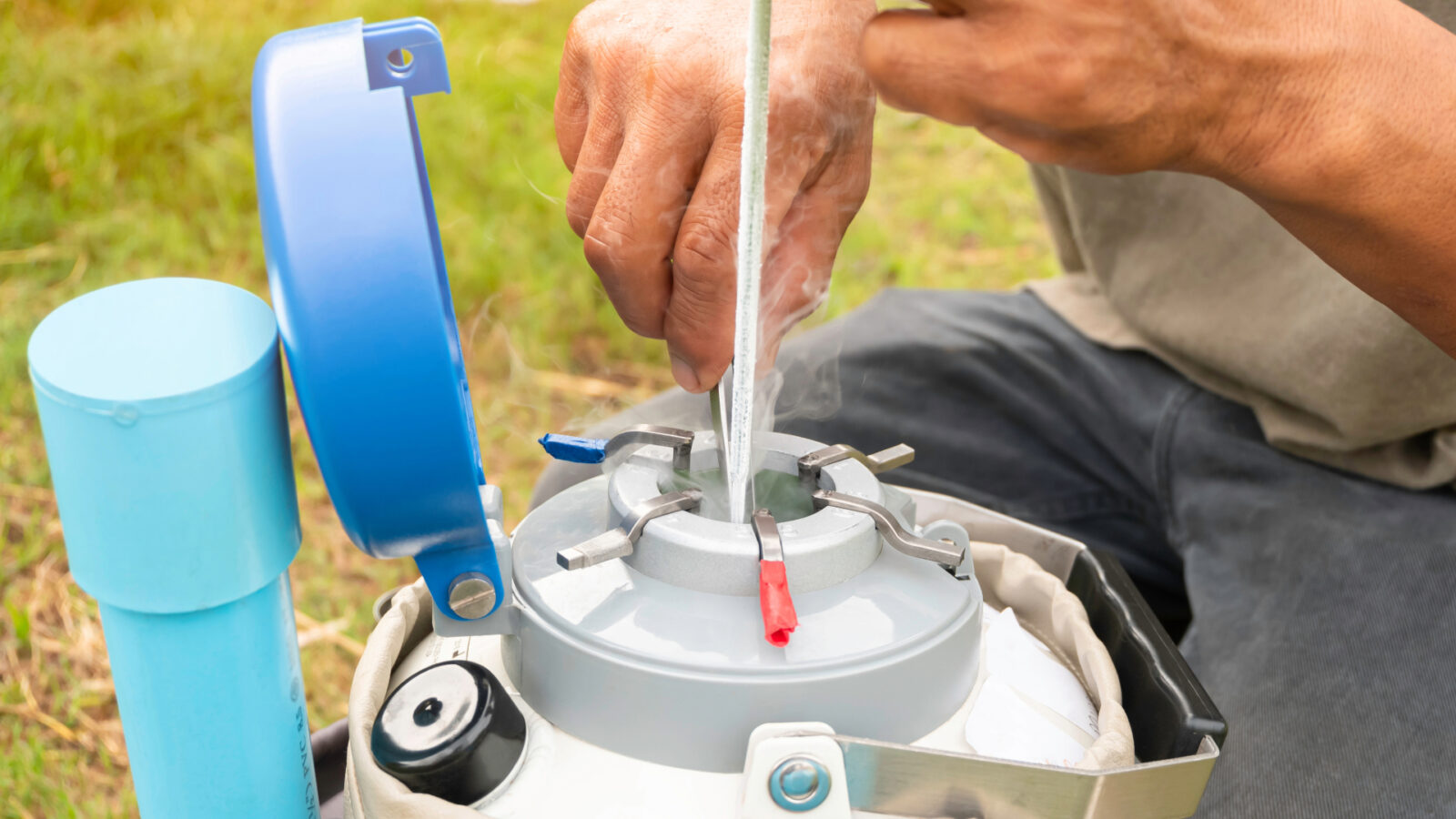
It consists of blood testing cows within three representative groups of the herd (early lactation, mid lactation, and dry cows), to measure levels of key indicators, providing information about the protein, energy balance, and mineral and trace element status of your cows. Results can be used to help tailor your feed programme to your herd’s needs, optimising efficiency and reducing waste.
If freshly calved cows in early lactation are struggling with their energy levels, this can have a serious impact on yield (one or two litres a day less), and they are four times more likely to have issues such metritis or LDAs and are 15% less likely to get back in calf.
Good nutrition in the dry period adds great value to production, health and fertility. It is not often apparent if failings and problems in the following lactation have been caused by failings in dry cow nutrition. We need to know that cows are not losing condition in the run up to calving, rumen degradable protein intake is adequate, and major minerals are balanced and that trace element intakes are sufficient.
In looking at the results as a whole, it allows actions to be taken on facts rather than guesswork. You can get a clear understanding of where you need to focus your attention to ensure you are getting the most out of your herd, and take steps to improve those areas, whether it be the diet itself, or more management areas, such as barrier space, feed push up and amount of feed being fed. Ideally, you want to feed three to four portions more than the number of cows you have, with between 3% to 5% refusals, with refusals being fed to youngstock or heifers.
Improving the nutritional and disease status of your herd will lead to increased profitability due to improved efficiency and production.
Edinburgh University Veterinary School offer a Dairy Herd Health and Productivity Service in which you can do a one-off metabolic profile, or you can pay a membership fee to help spread the cost and allow routine monitoring of the herd throughout the year on payment of a quarterly fee. Typically, a farm will do three or four tests each year. This service offers not just the results, but a full analysis report, plus recommendations tailored to your farm.
If you would like further information on Metabolic Profiling, please speak to one of the vets, and we will be happy to discuss how it can help your herd.





Leave A Comment