By Rachel Blackett, Clinical Vet in Whitchurch
Getting calves winter ready starts before temperatures drop.
Preparing calf housing, reviewing feeding and hygiene routines, and identifying potential health risks early can help reduce disease pressure and support calf health and welfare throughout the winter months.
On 9th October, we brought farmers together at Hillside Farm for our ‘Winter Is Coming’ pre-winter calf event, kindly hosted by the Hockenhull family. Inspired by a pre-winter car check, the aim was simple: identify potential problems and make improvements before colder, wetter weather begins to affect calf health and performance.
Preparing calf housing and the environment for winter
The day covered all aspects of winter calf management, including hygiene, housing, feeding, vaccination and disease prevention.
Pneumonitor joined us to demonstrate its environmental monitoring system, which measures temperature, humidity and ammonia levels within calf housing. Monitoring these factors can help identify environmental extremes and problem areas within a shed, allowing timely adjustments to ventilation and housing conditions.
Maintaining good ventilation, controlling moisture and providing clean, dry bedding are all important when preparing calf housing for winter. A well-managed environment helps reduce respiratory disease risk and supports healthy calf development.
Identifying calf pneumonia through lung scanning
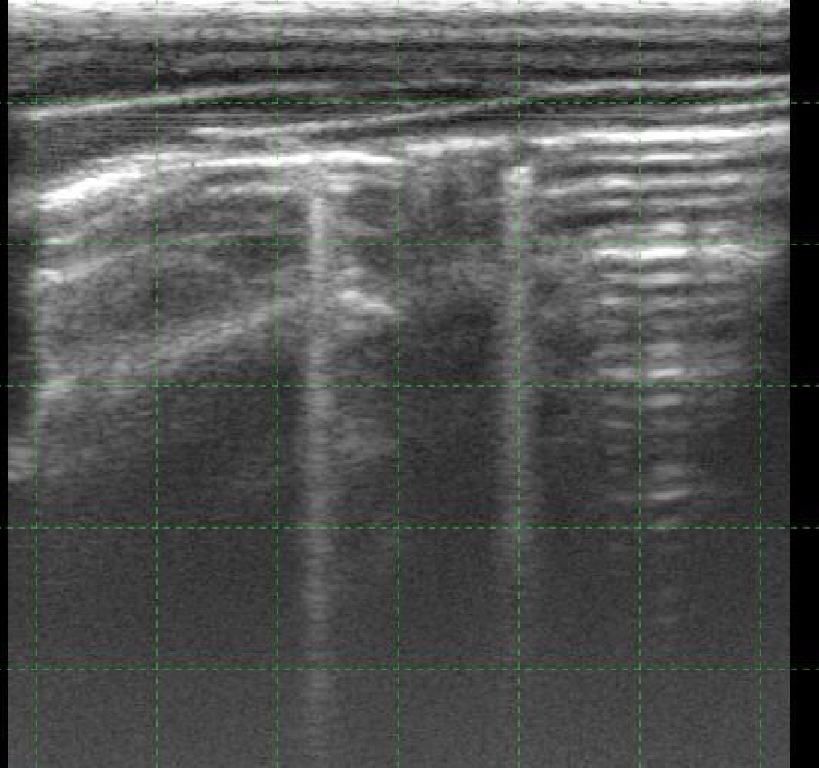
We also got hands-on with a lung scanning practical, demonstrating how to identify lung changes and detect signs of pneumonia.
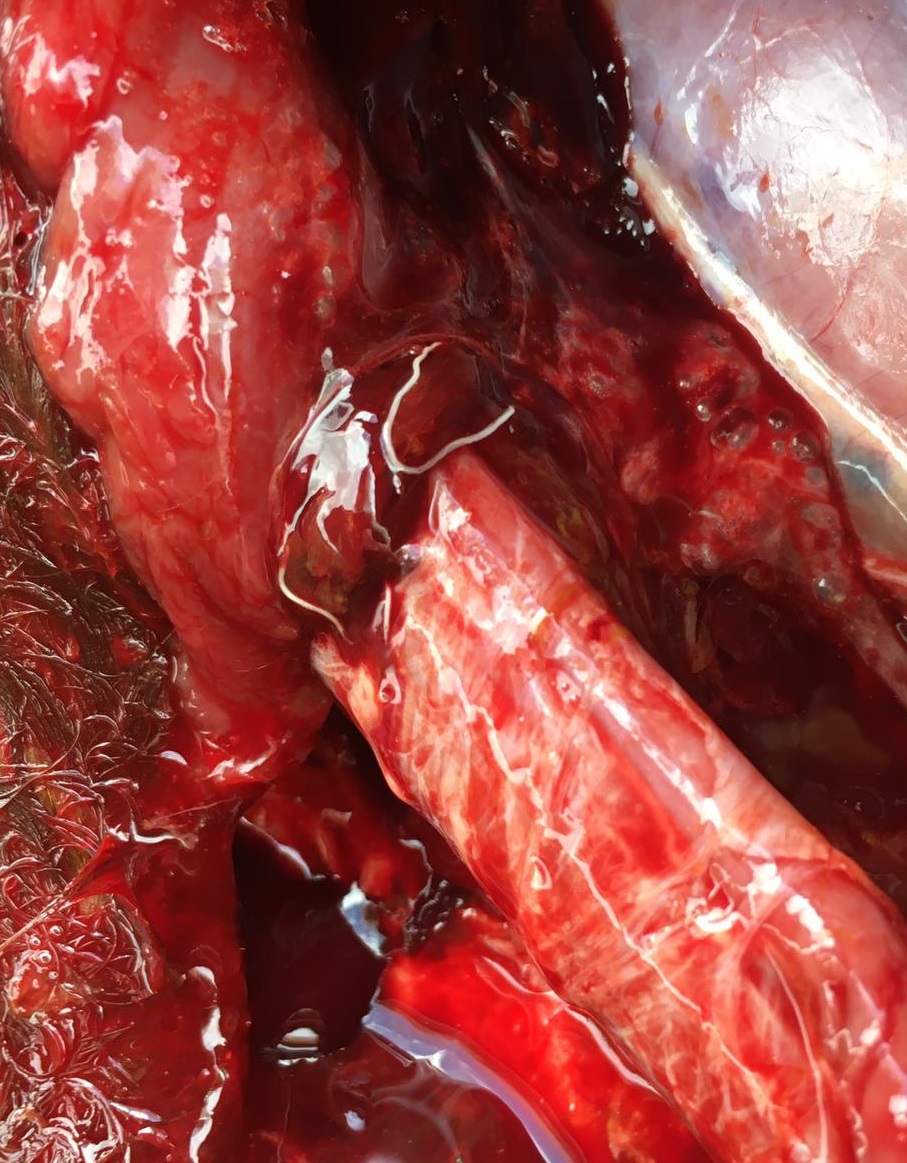
Examining lungs from cadavers allowed us to explore the pathology and damage respiratory disease can cause. This provided a valuable opportunity to link lung scan findings with changes within the lungs themselves, highlighting the importance of early pneumonia detection and effective disease control.
Lung scanning can be a useful tool in calf health management, helping identify respiratory problems that may not yet be obvious from clinical signs alone.
What our pre-winter calf checks revealed
A key part of the day was sharing findings from our pre-winter calf checklists. With 22 completed (and counting!), we identified common themes, highlighted areas for improvement and put practical actions in place to improve calf health before winter arrives.
Discussions covered some of the key areas of winter calf management, including:
- Colostrum management: ensuring calves receive sufficient high-quality colostrum promptly after birth.
- Hygiene: maintaining clean feeding equipment, pens and bedding to reduce infection pressure.
- Scour prevention: reviewing management practices to reduce the risk of infectious calf diarrhoea.
- Pneumonia control: assessing ventilation, stocking density and environmental conditions.
- Vaccination: reviewing appropriate vaccination programmes to help protect calves against important diseases.
- Daily management: identifying small changes to routines that could make a difference to calf health and welfare.
These practical improvements can help reduce disease risk, support growth and give calves the best possible start through the colder months.
Book your FREE pre-winter calf health check
Winter preparation starts before the weather turns. Taking time to review calf housing, hygiene, feeding and disease prevention now can help identify potential problems before they affect calf health.
We’re offering FREE pre-winter calf checks to help you identify opportunities to improve calf health, housing and management on your farm.
Get in touch with the team to book your free pre-winter calf check and make sure your calves are ready for whatever winter throws at them!



Leave A Comment