
Monitoring trace element levels in sheep is critical to their health and productivity. They are essential for numerous physiological functions, including immune response, reproduction, and maintenance of body condition. However, deficiency and toxicity can pose significant health risks especially when thinking about copper supplementation.
Why Monitor Copper Levels?
Sheep are particularly sensitive to copper imbalances.
- Copper Deficiency: Deficiency may lead to swayback in lambs, reduced fertility, poor growth, and weak wool. It is often caused by inadequate copper in the diet or interference by antagonistic minerals like molybdenum, sulphur, and iron, which bind copper and prevent its absorption.
- Copper Toxicity: Sheep are highly susceptible to copper accumulation in the liver, which can result in a sudden release into the bloodstream, causing a haemolytic crisis and death. Toxicity is often due to over-supplementation and is associated with Texel type breeds, which are much more susceptible to poisoning.
Regular monitoring of copper levels can allow farms to tailor supplements & feeds to meet the specific needs of their flock.
Why Use Liver Sampling?
The liver is the primary storage organ for copper, making it the most accurate indicator of the animal’s copper status. Unlike blood tests, which only reflect short-term copper levels, liver samples can provide a longer-term perspective. This is particularly important for identifying subclinical deficiencies or excessive copper storage before clinical signs appear. In addition, other trace elements of importance in sheep such as cobalt and selenium can be assessed via a liver sample to ensure proper nutritional management and performance.
How to Perform Liver Sampling
Liver sampling can be performed in two ways:
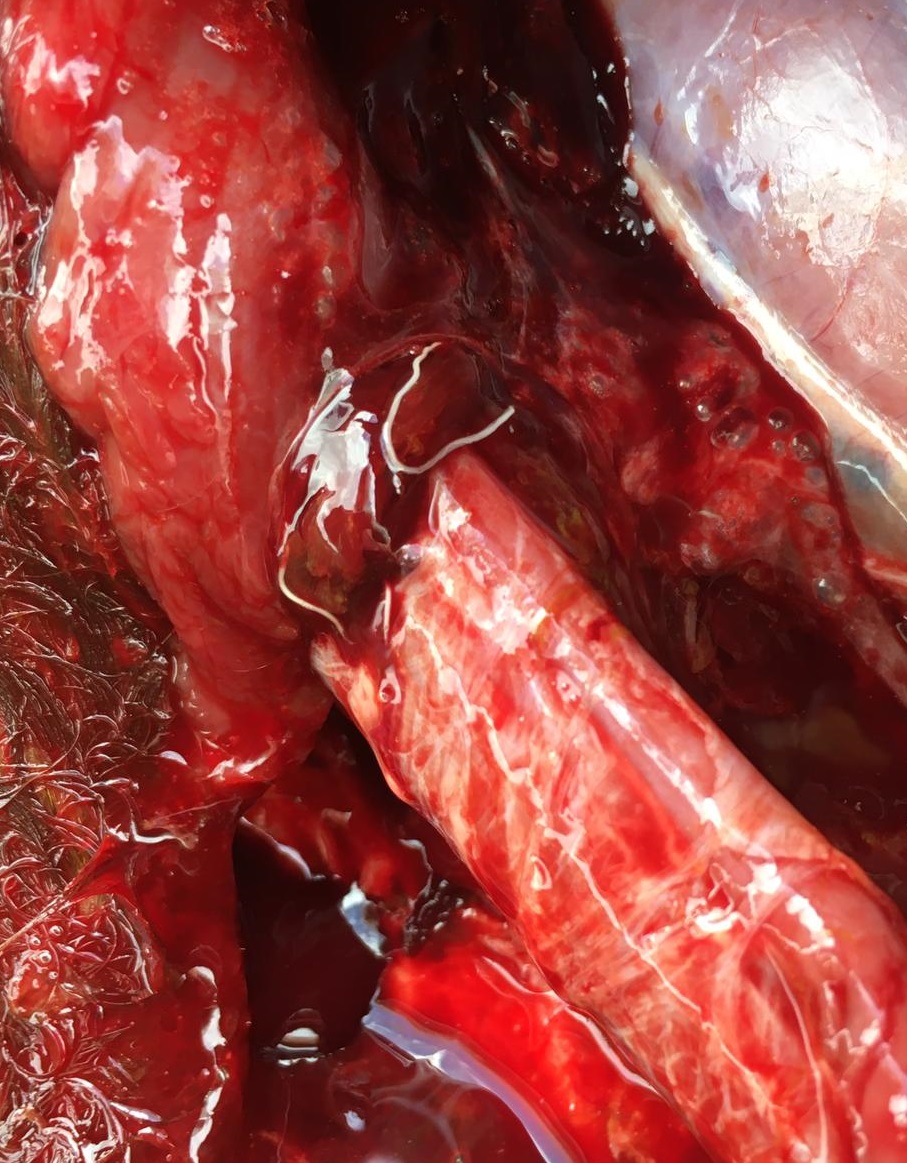
- Post-mortem Sampling: Collecting liver samples at an abattoir is a simple and cost-effective option. Ensure samples are taken from a representative group within the flock for accurate insights. Or regular sampling of dead stock on farm can be a simple and non-invasive way of regularly assessing the status of different groups on farm.
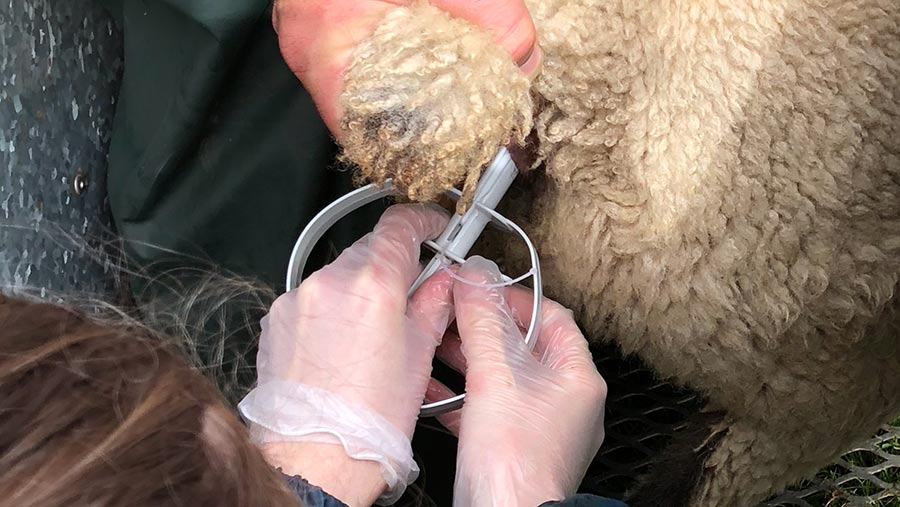
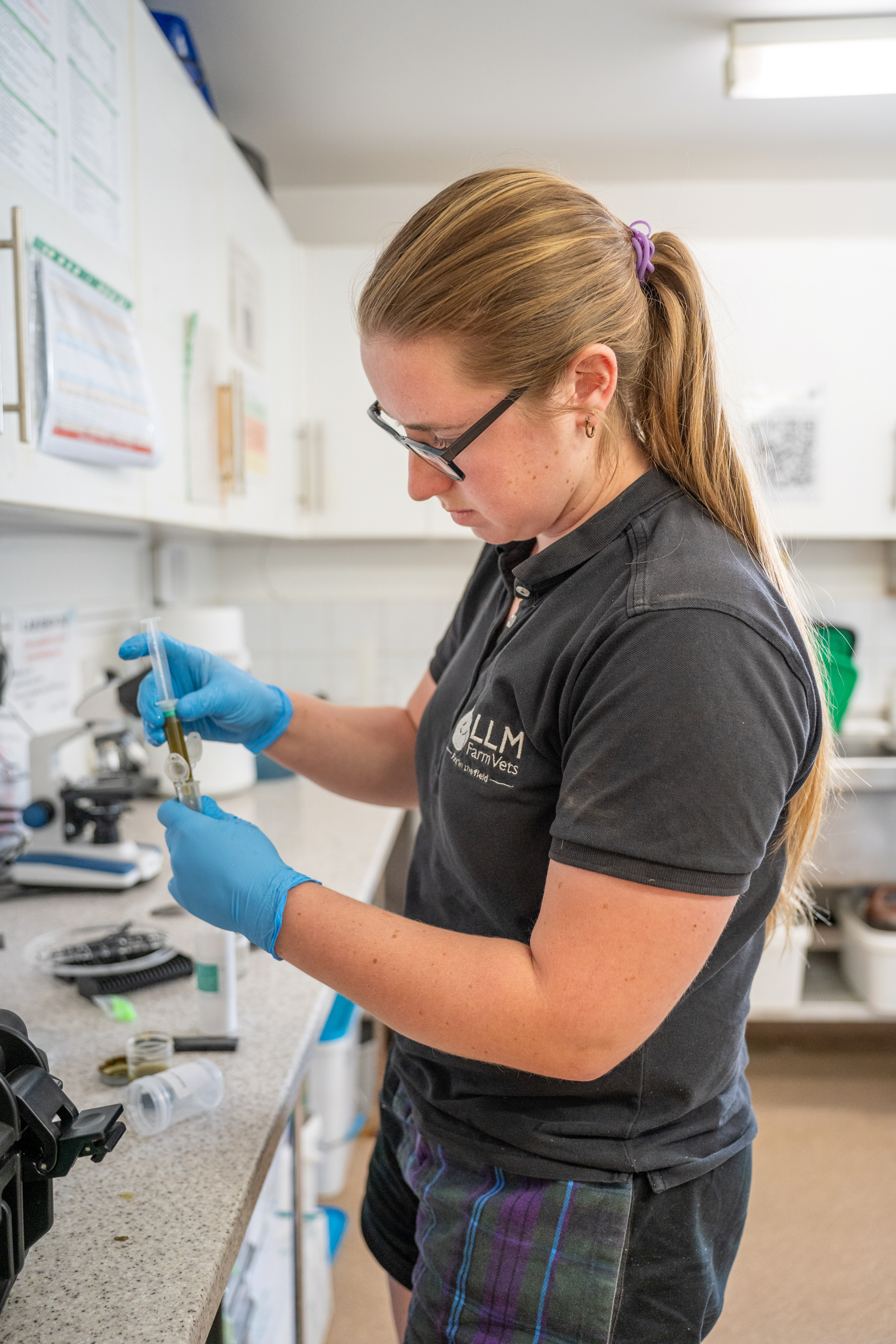
Biopsy on Live Animals: Liver biopsies from live animals can also allow for ongoing monitoring. Many of our vets are trained to perform routine liver sampling in ewes. This can be performed easily on farm in ewes which have had a period overnight without food and have been treated for fluke in the previous few weeks (unless fluke risk is negligible). This can be invaluable for managing breeding stock or diagnosing issues in at-risk groups.
Interpreting Copper Levels
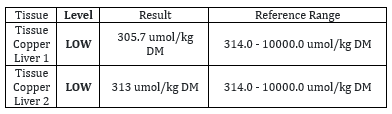
Below are the results of liver samples taken from cull ewes at weaning in a flock with a poor scanning percentage earlier in the year and concerns re maintenance of body condition despite adequate nutrition, low level worm burdens and no iceberg disease concerns. Blood samples were also taken to assess iodine, cobalt & selenium status with liver samples providing an insight to copper status.
This flock had never previously supplemented copper to ewes and decided to bolus all ewes with a 2g lamb copper bolus, with the intention of a further assessment to check liver status post scanning. In addition, pooled iodine levels were deficient and the flock implemented a change of bolus manufacturer to attempt to correct iodine levels, with the assumption that their current regime wasn’t adequate to maintain iodine levels in ewes. Again, levels will be re-assessed post scanning.
Results must be interpreted in the context of the overall flock, considering diet, mineral interactions, clinical signs and current performance/health concerns.
Practical Recommendations
- Regular Monitoring: Conduct liver sampling annually or when changing grazing areas, feed, or supplementation programs.
- Nutritional Balance: Work with a nutritionist or veterinarian to balance dietary copper and account for antagonistic minerals.
- Use Caution with Supplements: Avoid routine copper supplementation unless there is evidence of deficiency, as toxicity can have devastating effects.
Conclusion
Liver sampling is a critical tool for managing copper and other trace elements in sheep. By monitoring levels effectively, we can ensure flocks remain healthy, productive, and free from the risks of deficiency or toxicity. Gathering of ewes post tupping at scanning could represent an ideal time to liver sample barren ewes, take blood samples to assess the status of other trace elements, establish the presence or absence of exposure to abortion agents provide your vet with scanning results to compare to the prior year and plan for lambing in 2025.
You could also take this opportunity to blood sample and screen tups for the presence of scab antibodies to establish your flock status.


Leave A Comment