
With most cattle housed, now might be a good time to think about how your farm is set up for winter and what adjustments could be made to maximise growth and potential for the remainder of the winter. Here are some key pointers to think about this year.
Space to grow
The first thing to consider is your shed stocking density, feed space and water access/quality. Fig 1 table outlines a rough guide for feed space requirements. With record current prices it may be worth considering selling some cattle as stores to allow remaining stock adequate room to maximise performance. Remember to re-assess throughout winter as groups grow- allow enough space for the planned weight at turnout. Cattle, especially those on drier high concentrate diets can have daily water requirements of up to 15l/100kg (90l per day for 600kg animal). Ensure water is kept clean and water tanks are large enough with adequate pressure/plumbing to allow tanks to refill quickly to match demand.

Know the facts
We need to outline simply where cattle are at, what the target is, and how this target can be achieved. Weighing cattle regularly throughout the winter is imperative to assess this. Sample target growth rates for Spring born cattle different finishing systems.

The next fact we need to ascertain is quality of silage being fed. Samples representative of the whole clamp/groups of bales should be submitted. Quantities of supplementary concentrates required can then be calculated. We can see in these tables impact silage quality (D-Vale/DMD) has on the level of meal feeding required to achieve the same DLWG. Although input prices have steadied in recent years, huge savings can be made by increasing quality of conserved grass. From above 10 steers on a 70 day finishing diet would cumulatively need 2,100kg less concentrate when feeding silage at 74 DMD vs 66 DMD to achieve the same result. Silage quality, and in particular protein levels may also become increasingly important as pressure builds on soya sourcing and feeding.
Due to the exceptional weather of 2024, we have seen huge variation in silage quality results. It is not too late to test and take action.

Minimise Disease
Disease and parasitism will waste feed and hold back growth. We need to develop a robust plan to minimize their impact for the housing period.
Pneumonia is probably the most important infectious disease this time of year. Simple steps which can reduce incidence include clipping cattle and reducing stress by avoiding mixing groups or sudden dietary changes. If pneumonia continues to be an issue, speak to us about carrying out further investigations, samples, and potential vaccination protocols to suit your farm and system.
Accurate and effective parasite control at housing to keep animals clear of fluke, worms and ectoparasites will ensure better health and reduce contamination of pasture in the spring.
Youngstock and in particular first season grazers are particularly susceptible to roundworm and lungworm burden. Faecal egg counts should be used to guide treatment. Always calibrate equipment and treat accurately to the weight of the stock. Check withdrawal periods prior to use in older animals as these can vary hugely between products.
If you have had issues with lungworm this summer and autumn, now is a good time to speak to your vet about vaccination next year.
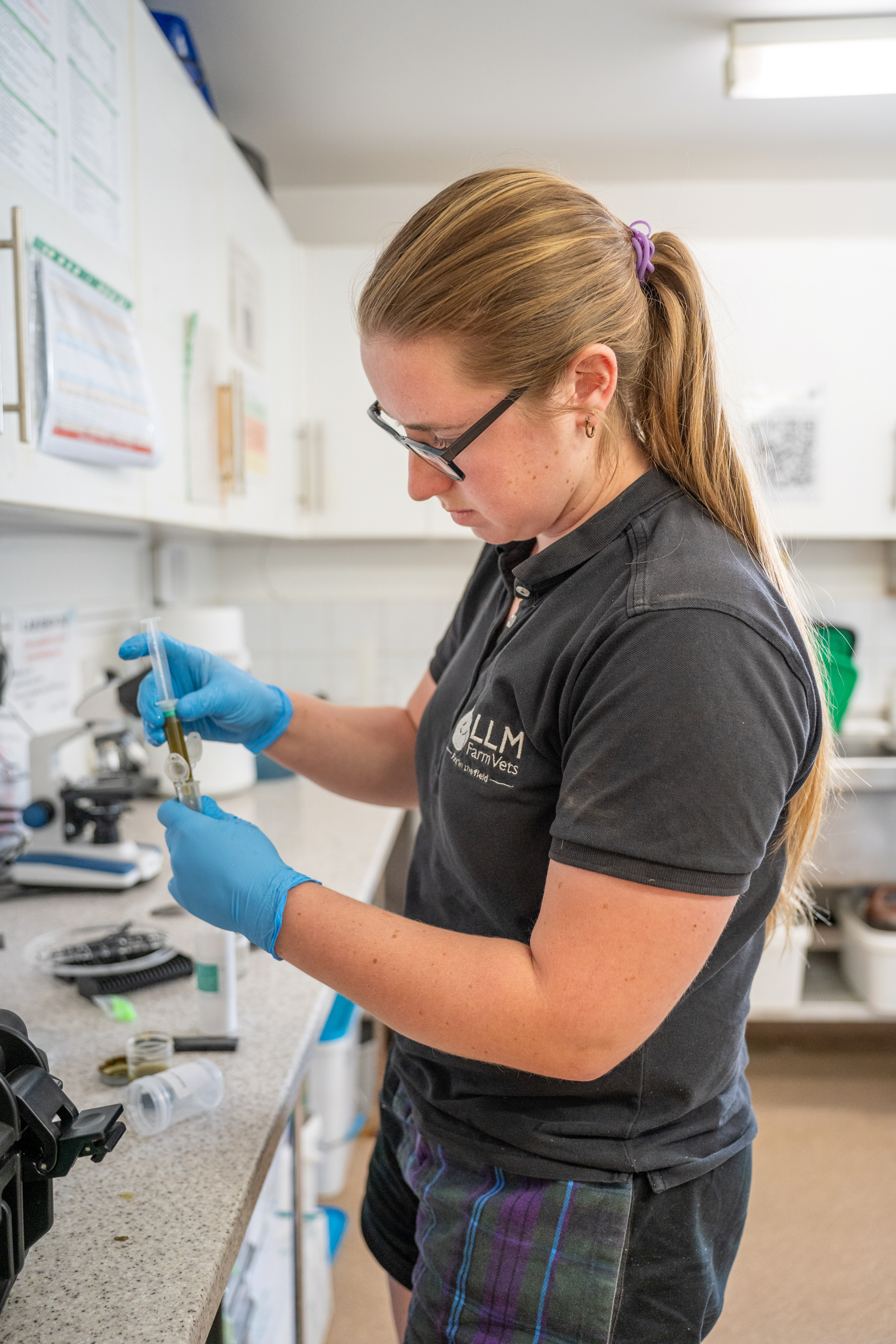
Fluke testing capabilities continue to become more reliable and predictive of infestation at earlier stages. We can now assess fluke exposure in first season grazing animals with a 10 minute on farm lateral flow test. This, combined with traditional laboratory tests can guide the fluke treatment, if any, required. Remember different flukicides are effective at different stages of the life cycle, a traditional one off drench at housing may be leaving residual juvenile fluke to cause further issues down the line.
If animals are showing signs of lice or mites, various treatment options are available. Bought in cattle pose the biggest potential source of infection. It is important to note when treating to include all in contact cattle to avoid reinfection and spread through the shed.
These simple considerations can add up to make a huge difference in farm performance this winter. If you have concerns your stock are not reaching their potential speak to us. Using the endemic funding available through the Animal Health and Welfare Pathway funding can be used to offset costs of investigations.



Leave A Comment