
As the colder months set in, pneumonia remains one of the most common and costly diseases affecting young calves. It’s a complex condition often caused by a mix of viruses and bacteria, but the environment plays a huge role in allowing infection to creep in. Understanding and tackling these environmental challenges is key to keeping calves healthy, thriving, and growing efficiently.
Environmental Pressures: The Hidden Enemy
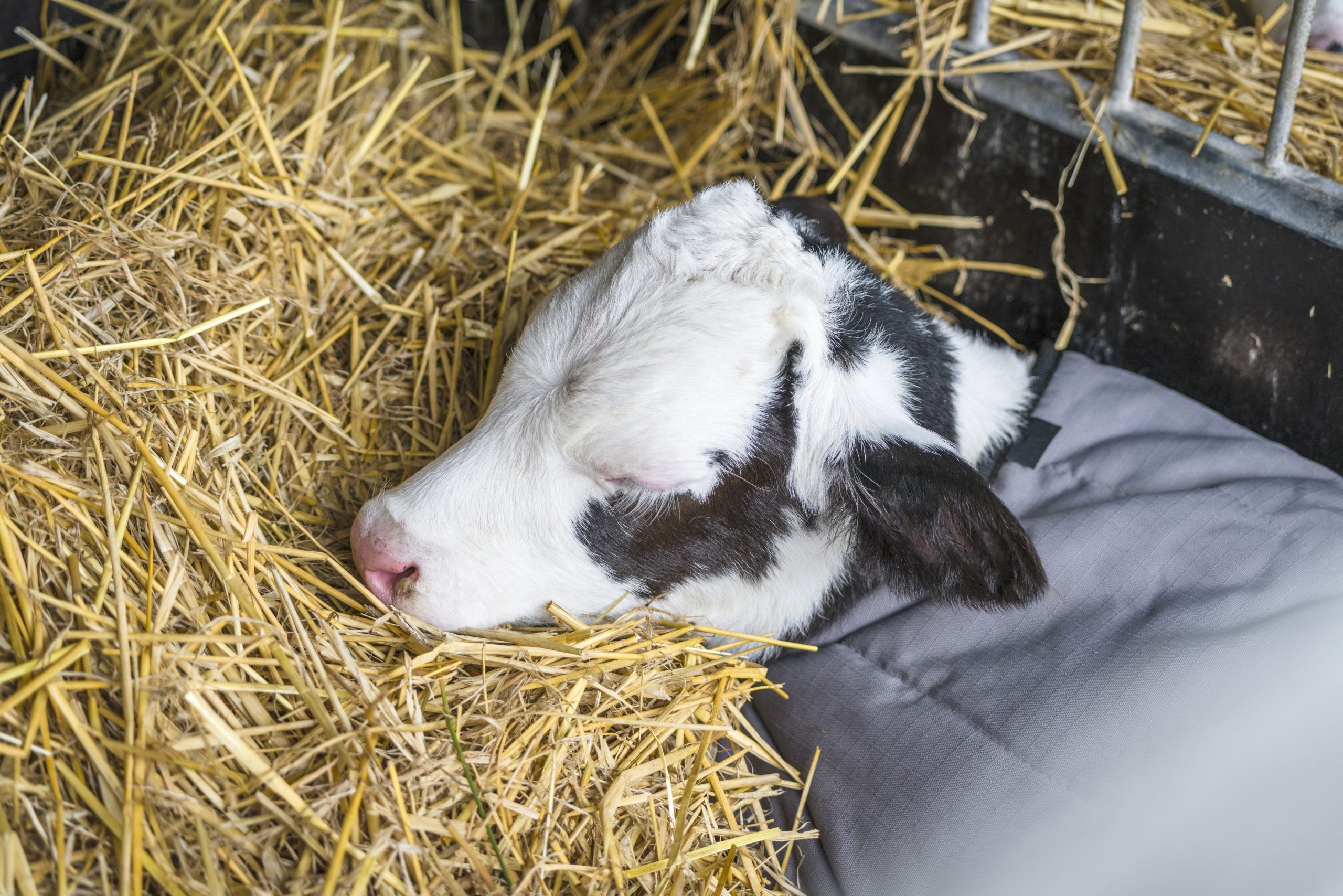
Calf housing can make or break pneumonia prevention. Warm, damp, and poorly ventilated sheds create the perfect breeding ground for disease-causing organisms. Calves are especially vulnerable when humidity levels are high and moist, stale air lingers.
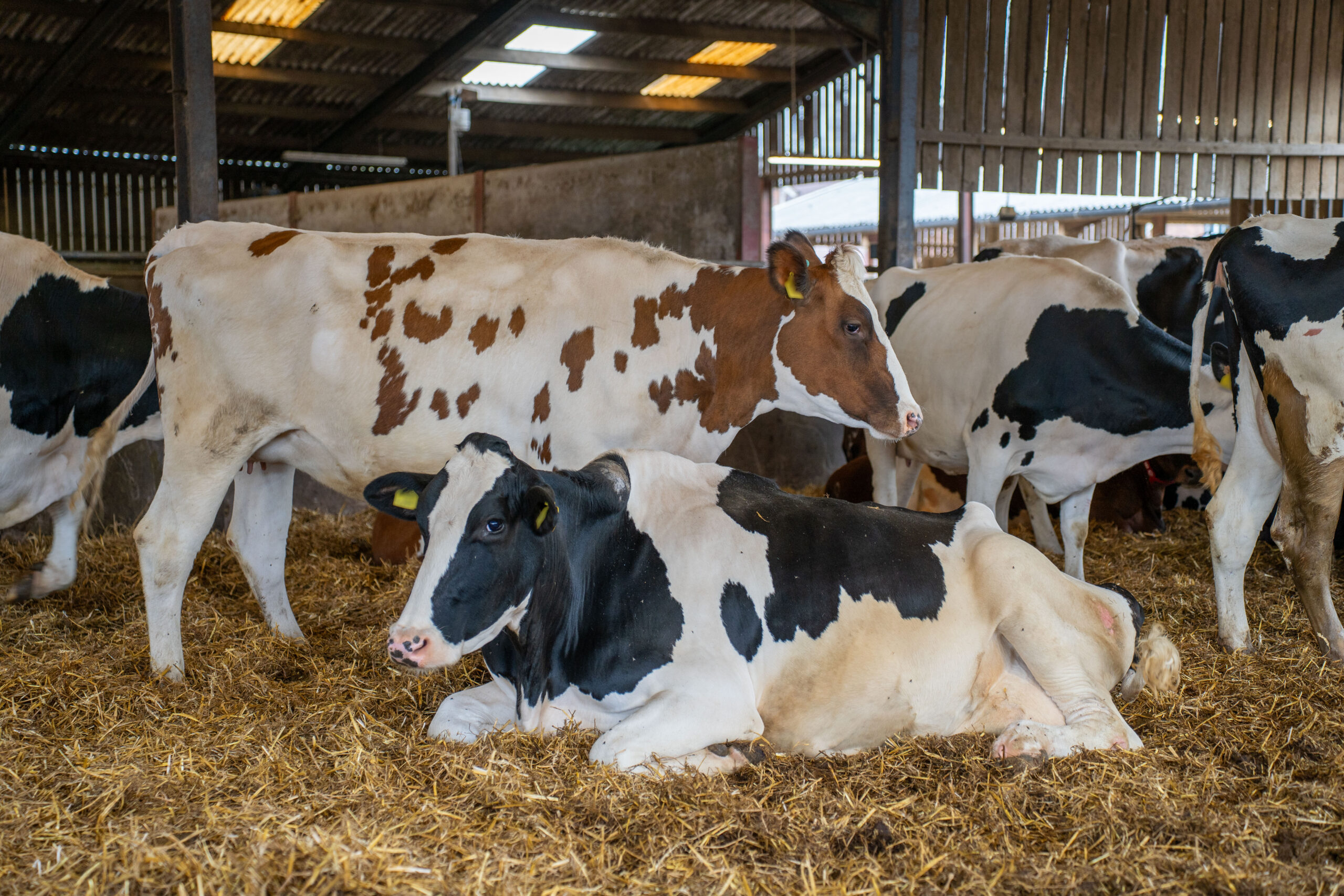
Reducing moisture in the shed is one of the most effective ways to cut down on pneumonia risk. Regularly checking for leaking drinkers, ensuring good drainage, and maintaining dry bedding are small steps that make a big difference. Remember—the bedding surface should be dry enough for you to kneel on without getting wet knees!
Fresh air is equally vital. It’s understandable to worry that better ventilation could mean draughts, but there’s an important difference. The general recommendation is:
- In cold weather, around 4 complete air changes per hour
- In mild weather, around 15–20 air changes per hour
- In warm or hot weather: up to 40–60 air changes per hour
These figures aim to strike a balance between removing stale, moisture-laden, pathogen-rich air and avoiding draughts at calf level. The key is consistent, gentle airflow rather than gusts or sudden temperature drops.
The Role of Vaccination
While managing the environment reduces infection pressure, vaccination plays an important role in helping calves fight off the pathogens that cause pneumonia. Vaccines can be tailored to target key viruses and bacteria.
It’s important to remember that vaccines do not always prevent infection entirely — instead, they reduce the severity and spread of disease, helping to protect the group and improve overall respiratory health.
There have been recent developments with a new Mycoplasma bovis vaccine, which also aims to reduce the severity of disease. Mycoplasma is a tricky pathogen — it doesn’t have a cell wall, making it resistant to many common antibiotics, and it can cause not only pneumonia but also ear infections, swollen joints, and mastitis in some cases. Once it gets into a herd, it can be very difficult to eliminate, so prevention is key. We now have funding to ascertain whether Mycoplasma is playing a role on your farm. Screening either bulk milk or a group of calves for Mycoplasma antibody can give us an idea of its presence and whether it could be contributing to your pneumonia challenges.
If we are to use vaccination making sure that we find what works for your farm is key. Timing is crucial—vaccinating calves before stressful periods such as weaning, transport, or housing can provide the best protection. Good colostrum management also remains essential, giving calves the antibodies they need early in life.
Top Tips:
- Keep sheds dry and well-bedded.
- Check ventilation—use smoke bombs or a ribbon test to see how air moves.
- Group calves by age to prevent disease spread. Aim to keep the age range to a minimum!
- Avoid sudden temperature changes where possible.
- Ensure vaccines are stored, handled, and administered correctly.
By focusing on air quality, moisture control, and vaccination, you can greatly reduce the risk of pneumonia this season—helping calves stay healthy and grow into productive, resilient cattle.
To hear more about environmental management, top tips for feeding, and how to manage Mycoplasma come along to our Calf Conference at Reaseheath College on Wednesday 19th November! We will be covering all of the above topics as well as hosting an interactive panel discussion aimed at leaving you with all the practical solutions you need to achieve calf rearing success!




Leave A Comment