
Early Detection Makes All the Difference!
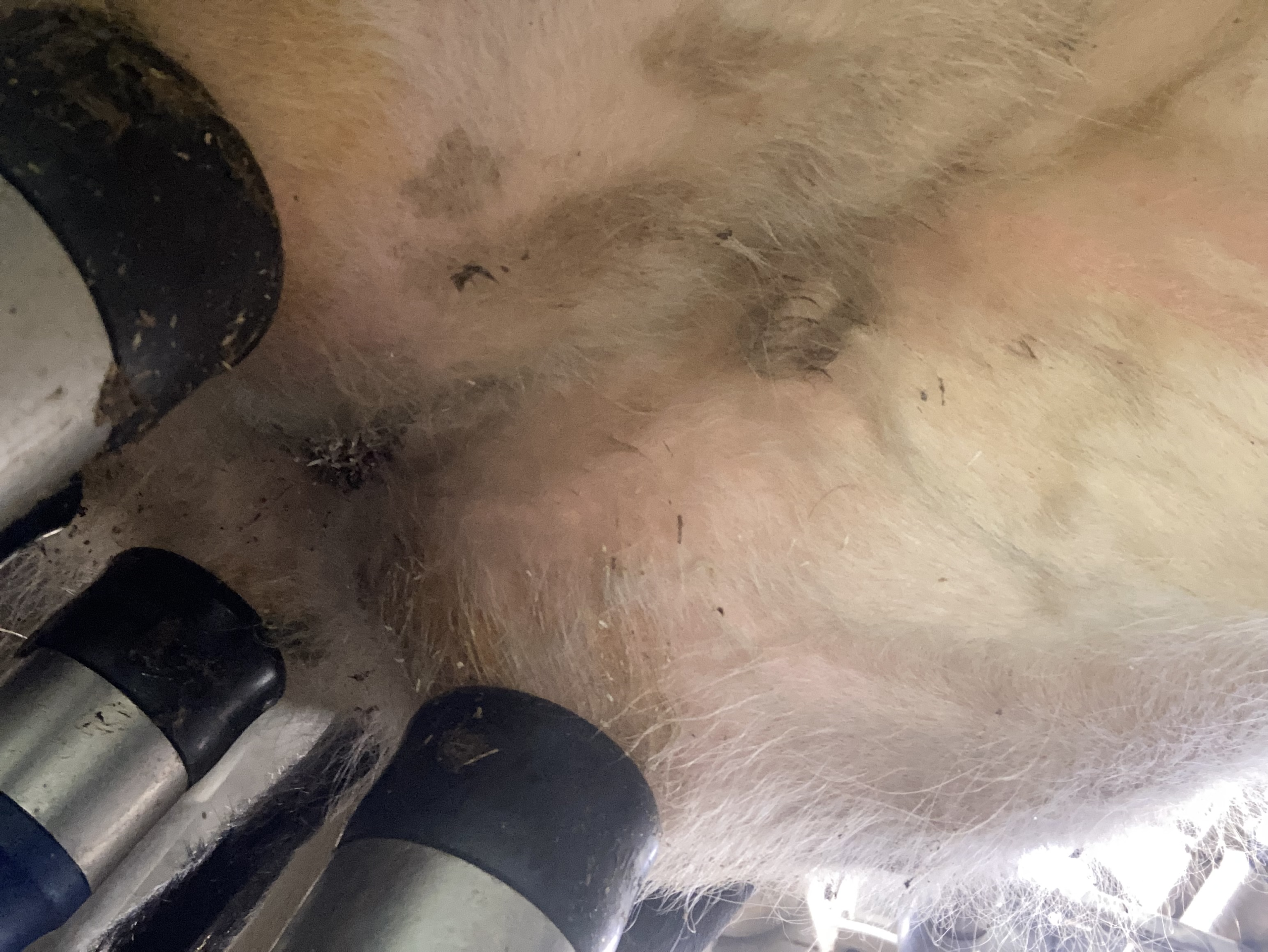
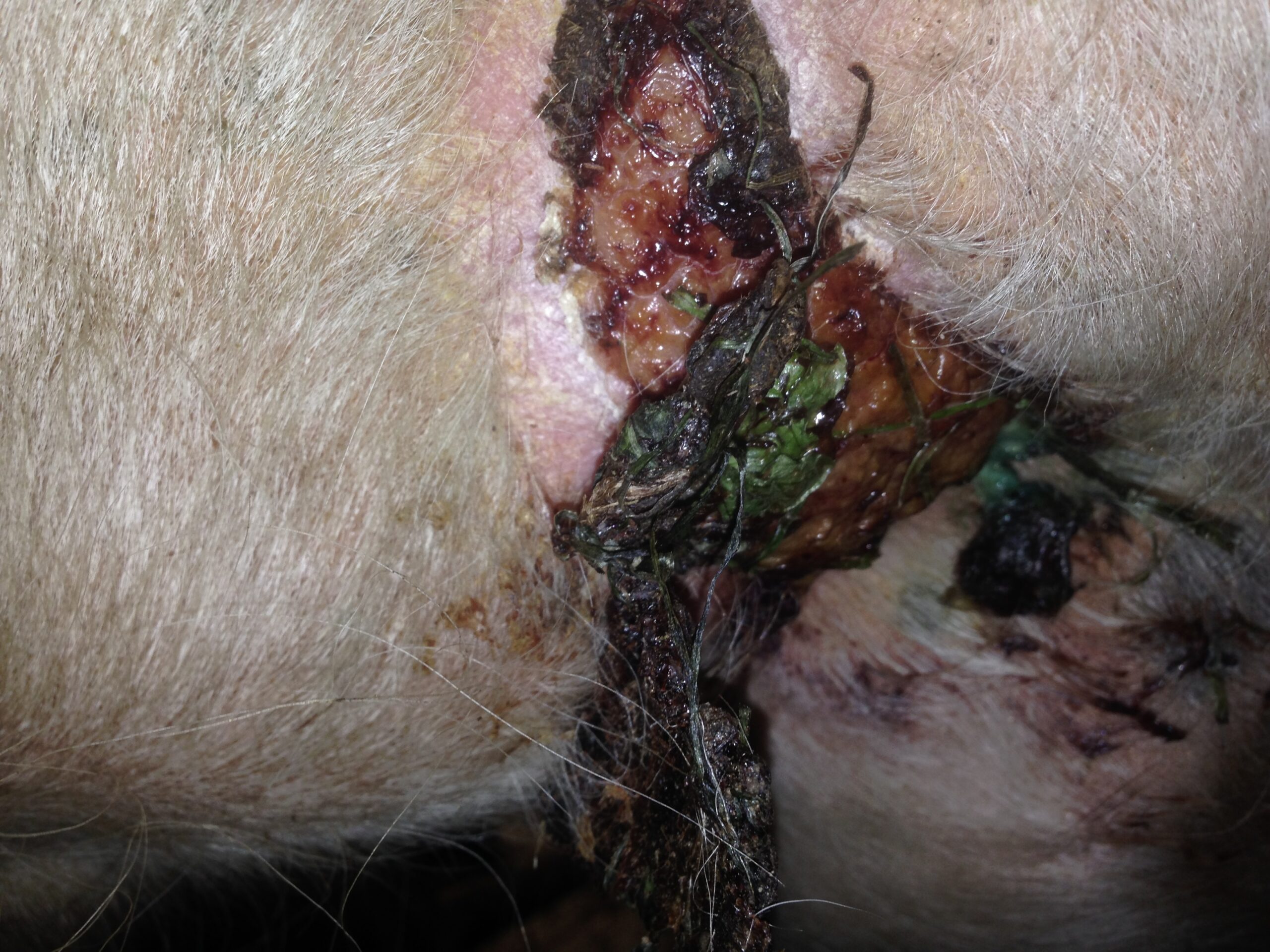
Udder cleft dermaitis (UCD) is an infection which can occurrs in the cleft at the front of the udder and can be tricky to manage— it often goes unnoticed until the lesions are large, smelly, and hard to treat. However, catching it early is easier than you might think! A quick check during milking using an inspection mirror can help you spot issues before they become serious and can be carried out by one of our vet techs.

Image shows – Before treatment
A Proven Solution: Ambugreen
We carried out a trial which showed that over 10% of dairy cows have UCD. Since then, LLM has worked closely with Nobacz to develop and refine a treatment for these lesions. We’re proud to say that their prototype has now become a reliable commercial product — Ambugreen — and it’s delivering excellent results.
Simple Steps for Treatment
Once your cows have been checked a simple scoring system can be used to decide which ones need attention. Early treatment is key — smaller lesions tend to heal much faster. Here’s what we recommend:
- Apply Nobacz Ambugreen once daily for 5 days.
- Then, apply it every other day for the next 7 days.
- Reassess after two weeks and continue or stop based on progress.
If a lesion looks infected, spray with oxytetracycline first, then apply Ambugreen gel on top.
Be Patient — Healing Takes Time
Because of where most UCD lesions develop, they can easily re-open if a cow slips or during foot trimming when the back leg is lifted. Some cows simply take longer to heal.
Severe or infected lesions, especially those with an odour, will take longer to improve. The best approach is regular screening — catching new cases early will help you keep UCD under control.
Prevention: Environment Matters UCD occurs due to abrasion in the udder cleft.
Two big contributors to are udder conformation and housing conditions. In the long term, breeding for a shallow udder and strong fore udder attachment will help control UCD.
Keep in mind:
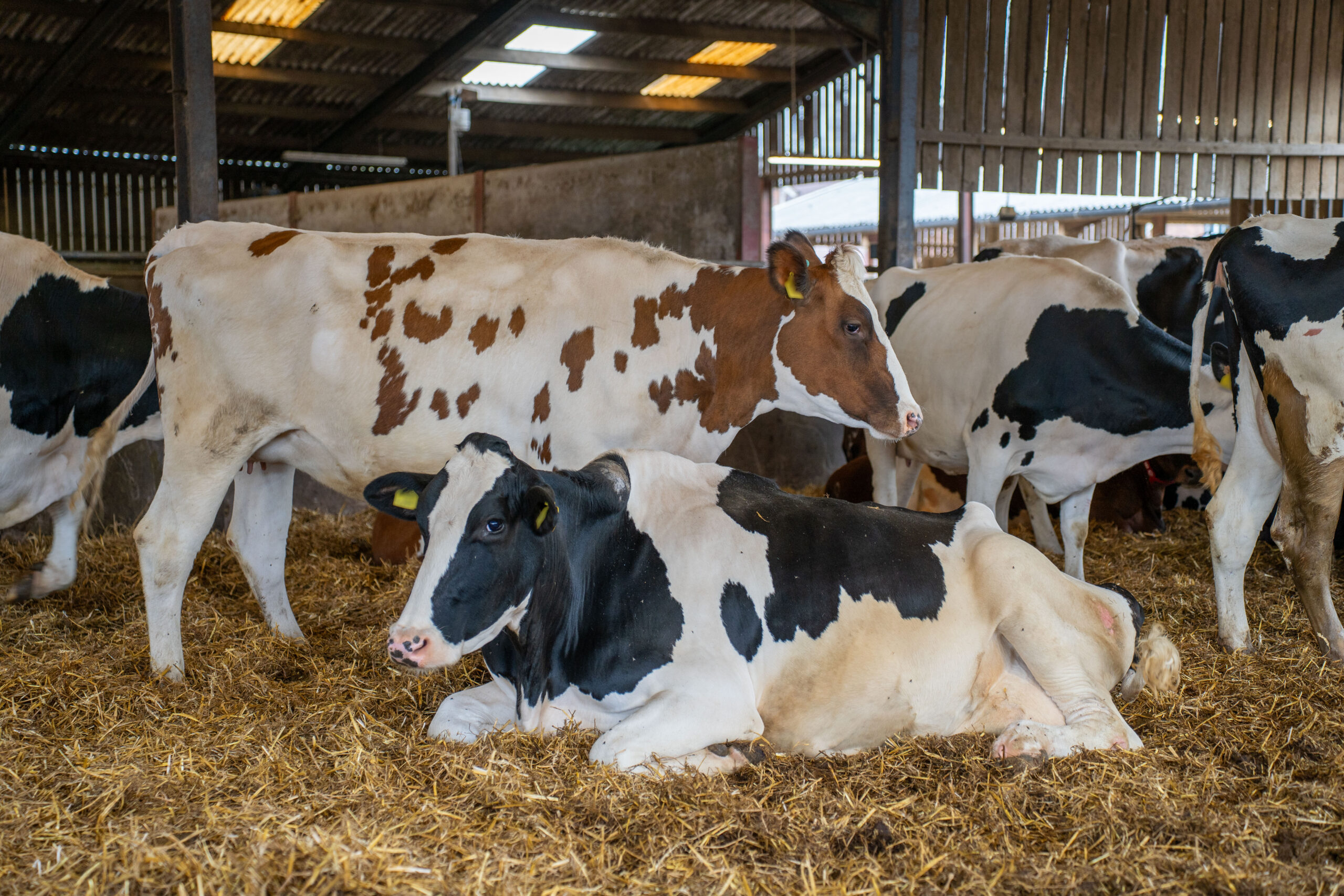
- Ventilation and dry bedding are crucial.
- Coarse bedding and humidity can trap material around the udder, leading to sores and infection.
- Overenthusiastic post-milking spraying can leave udders wet, making bedding stick to the udder cleft and causing UCD.
Team Effort for Success
Some farms have had great success working with a Vet Tech to assess the herd. Depending on the parlour setup, this can even be combined with a mobility scoring visit. Together with the vet, farmers can create a treatment plan — with the vet tech starting daily applications for five days, then handing over to farm staff for ongoing care.
Our most successful herds follow this plan:
- Monthly herd checks to catch new lesions early
- Targeted treatment for affected cows
- Fewer new cases over time — making UCL easier to manage
Final Tip
Regular observation and early action are your best tools for controlling udder cleft dermatitis.
For more information, speak with your vet.




Leave A Comment