
Whilst grazing may not be applicable in all systems it is likely that most types of enterprise will graze some class of stock at some point in the season. For many sheep and beef farms, making the most of grazed grass is a key element to their success and it remains some of the cheapest sources of nutrition.
It is around this time of year that we start getting daily live weight figures sent to us by many clients. It is great that this information is being recorded and even better that it is shared with us and it helps us to build a picture of what works and what doesn’t, how a season is progressing and take part in these discussions with clients.
The first question is when to take weights – practically. From those clients sharing this data with us, this is when they do it:
- At turnout, for those cattle that have been housed over the winter
- At TB testing (reading day is preferred for the obvious reason that there’s less going on)
- Gathering for vaccination, e.g. clostridial vaccination
- Gathering for parasite treatment
- Paddock moves
- At draughting
- When going through the market; these figures can be just as useful, even if you don’t have your own weigh scales
So, what growth rates have people been achieving so far this year?
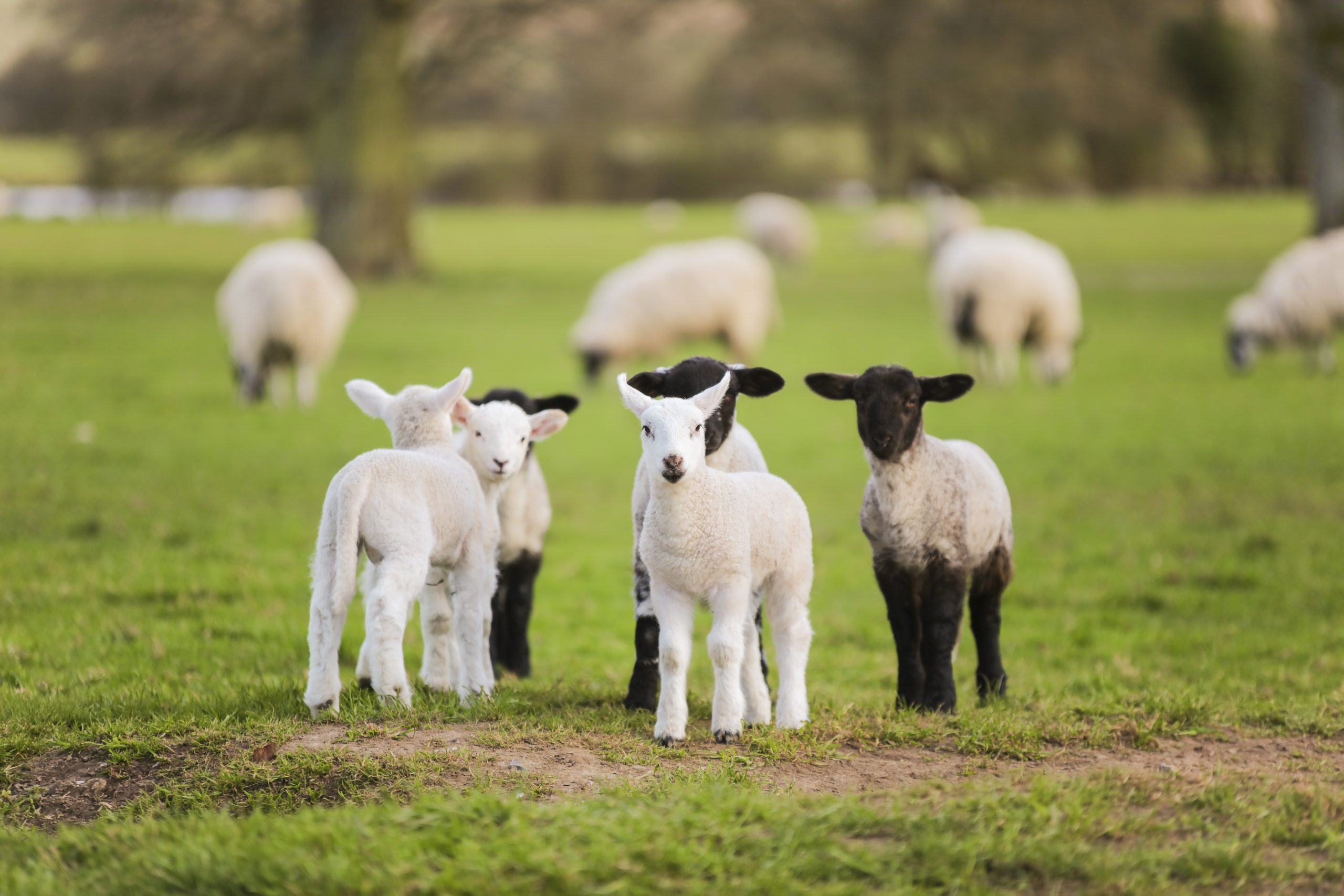
In March, lambing flocks without any supplementary feeding have achieved average daily gains of 300g, whilst cattle, again with no supplementary feeding, have made growth rates of 1.19kg on a set-stocked system and marginally more on a rotational system.
Importantly, how can you have an effect on these growth rates? Is it simply a result of grass availability and the animals you have or can you maximise this? These are just a few tips that we’ve seen work on farm and could help:
1. Grazing management – we often pit set-stocked and rotational grazing against each other, and they have their own benefits in different situations. A Farming Connect Focus Farm did a project on rotational versus set stocked and found they gained an additional 0.4 kg/head DLWG through increased stocking density and reduce concentrates; making the most from grass. Considerations-wise, this was an organic farm and they invested around £3827 in paddock infrastructure. It’s worth exploring if your farm layout would work without much investment. We’re involved in a Defra project alongside ADAS at the moment looking into set stocked versus rotational / mob grazing, so if you do want any advice, please give me, Claire or Rob Howe a shout as we’ve seen a few different systems.
2. Consider co-grazing – co-grazing with sheep can maximise productivity from grass. Cattle and sheep work particularly well together as they have complementary feeding habits; cows are less selective than sheep and will consume low digestible grasses, avoided by sheep. Studies have proven that there’s a benefit to lamb growth, parasite control and sward diversity. Again, something to perhaps try if you’re able.
3. Mixed species leys – including different forage species in your grazing leys can have several benefits including greater and more diverse nutrient content (for example, minerals), improved intakes, and better soil and drought resistance. Although reseeding is an obvious time to sow these mixes they can also be over-sown or used as cover crops.
4. Identify your outliers – through consistent weighing and sampling throughout the season, you can identify animals that are falling behind. Looking back through their breeding, and historic health issues and observing the animals for 10 minutes, you might be able to pinpoint why they aren’t performing. From there, you can work on prevention for the following grazing season, whether that’s long-acting mineral boluses / general mineral availability or a weak start, so perhaps turning out later than the rest of the group.
5. Breeding – a longer-term strategy, but one that plays into the point I’ve just mentioned. Breeding for success. If you’re identifying, outliers that have a specific breeding trait in common, work to genetically enhance your herd and flock for grazing. Data is king here, therefore making good records throughout the year will aid your decision making.



Leave A Comment