In July 2024, I left LLM and the UK’s warm, bright summer for the colder climes of New Zealand’s winter and early spring. Swapping shorts and t-shirts for thermals and overalls, I embarked on a 3.5-month calving season in the Waikato region on the North Island. It was a complete contrast in both climate and clinical caseloads.
I landed just two days before the second England vs. All Blacks rugby match, which immediately added a competitive edge to my arrival. From the moment I met my new colleagues, friendly rivalry was in the air. I was greeted with a pint of Guinness – apparently the standard issue for any visiting Brit – and the classic Kiwi quip: “We’ll see on Monday how you poms feel.” That set the tone. Monday came around, and I was straight into vaccinating cattle while John, the farmer, cheerfully commiserated me over England’s rugby loss. He added, just to twist the knife, “Did you know England are also getting knocked out of the Euros?” A warm welcome indeed!
My first week was spent adjusting to the pace of Kiwi farming. Calvings came thick and fast from across the Waikato: some textbook malpresentations, others described with dry humour as having been “made a hash of.” It wasn’t long before my first weekend on-call. Although two vets were rostered on each weekend for the first six weeks of the season, the volume of work still came as a surprise. One weekend, we had 18 calls, including my boss handling two calvings while I performed a caesarean. I ended that weekend bruised, battered, and slightly dazed, with my arms displaying new shades of blue and purple! On Monday, my colleagues offered sympathy – except for my boss, who cheerfully called it a “steady weekend”. Clearly, “steady” has a different meaning in Waikato than it does in Derbyshire!
New Zealand’s dairy industry is structured around seasonal calving, with peak milk production carefully aligned with peak grass growth. This results in a concentrated period of emergency work (calvings, uterine prolapses, down cows) between June and August. Disbudding season follows, then metrichecking and washouts. Mating season kicks off in late September: each farm has a Planned Start of Mating (PSM) date, with heat detection periods and sync protocols for non-cycling cows timed accordingly. Artificial insemination typically runs for four weeks, followed by six weeks with sweeper bulls. Vet visits are meticulously planned to coincide with these key periods: scanning, milk quality consults, fertility reviews, and vaccinations are all booked well in advance.
One of the highlights of the job was chatting with farmers about their systems. Some herds milked once a day, which raised my eyebrows! One farmer explained that although their yield dropped by just 10%, labour demand was halved – hugely beneficial for smaller, family-run operations.
Feed management was also a major focus, particularly due to the reliance on pasture and the variability in grass quality. Issues like milk fever and staggers were common, especially after cold or wet nights. Investigations into down cows often involved a full review of pre- and post-calving nutrition, including the use of lime flour, magnesium, and gypsum – all approaches that differed from the partial DCAB strategies that are more common in the UK!
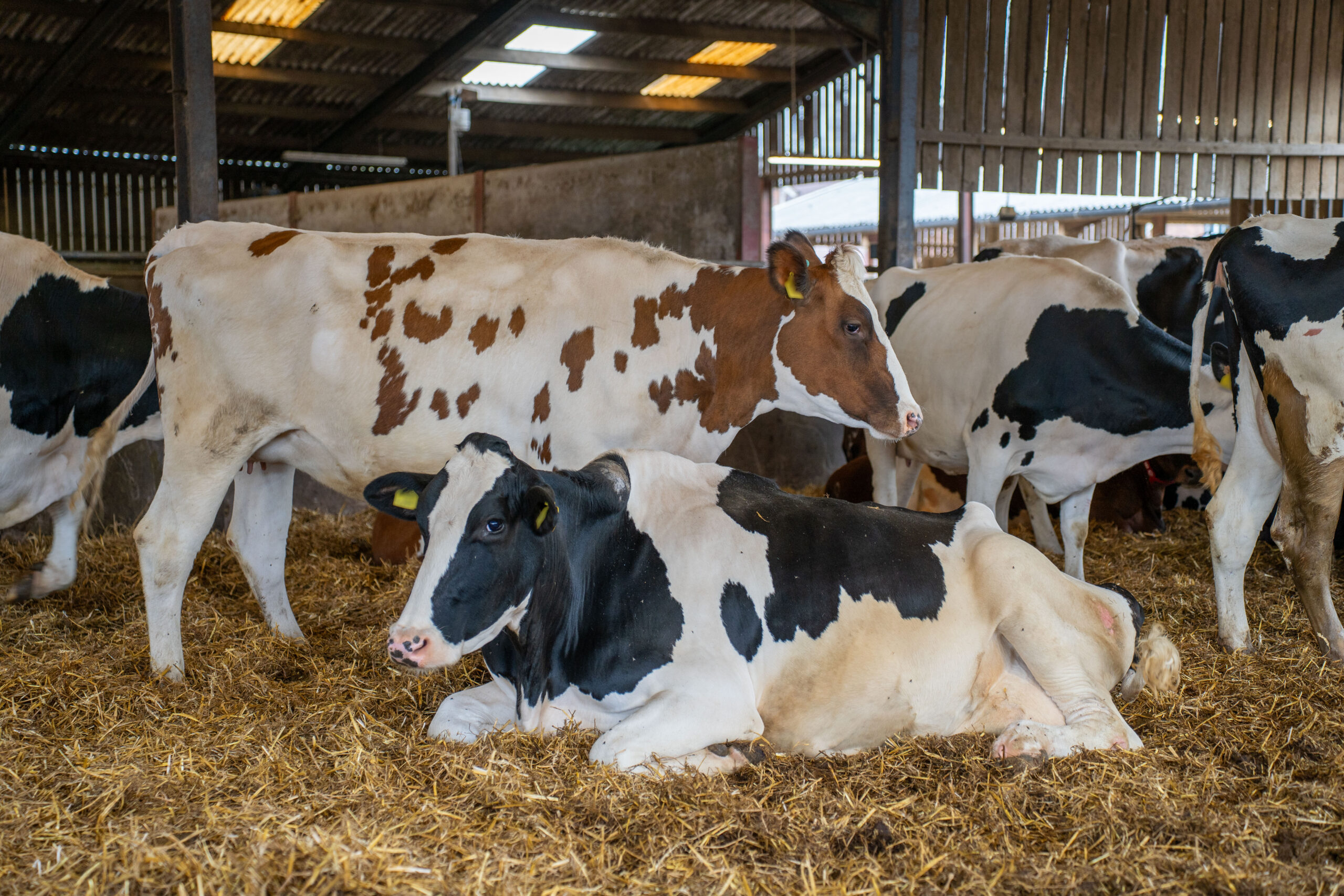
The average herd size at our practice was around 500 cows, though some topped 1,000. With about 200 calvings per season, fewer than 20% were dead or decomposed, which I found remarkable. I encountered plenty of memorable moments: from a farmer who saved the worst breech case until after I’d handled a lovely set of live twins, to one who asked if I could jump a 4-foot fence (electric wire included!) to get to a down cow. Or the time I had to drive a “ute” (pick-up) up a slippery hill with the advice: “Give it enough welly to get up but not so much you end up in the gorge.”
After calving season, I finally got to do some travelling. I explored both islands, including a visit to a South Island farm milking 860 cows. It was a totally different setup, with extensive grazing and heavy irrigation due to evaporation rates of over 7mm per day.
New Zealand was an incredible experience, both professionally and personally. I feel incredibly lucky to have had the opportunity, and I’m excited to return to practice with new perspectives, skills, and stories to share.



Leave A Comment