
Bluetongue virus serotype 3 (BTV 3) has recently caused significant disruption to ruminant health and welfare in both the UK and Europe. Over the past 18 months, the UK has confirmed 247 cases of BTV 3, with the majority concentrated within the restriction zone, which currently affects the East and Southwest regions of England. The disease, spread by infected midges, is of particular concern for farmers and livestock producers due to its severe impact on both cattle and sheep.
Clinical Signs of Bluetongue Virus
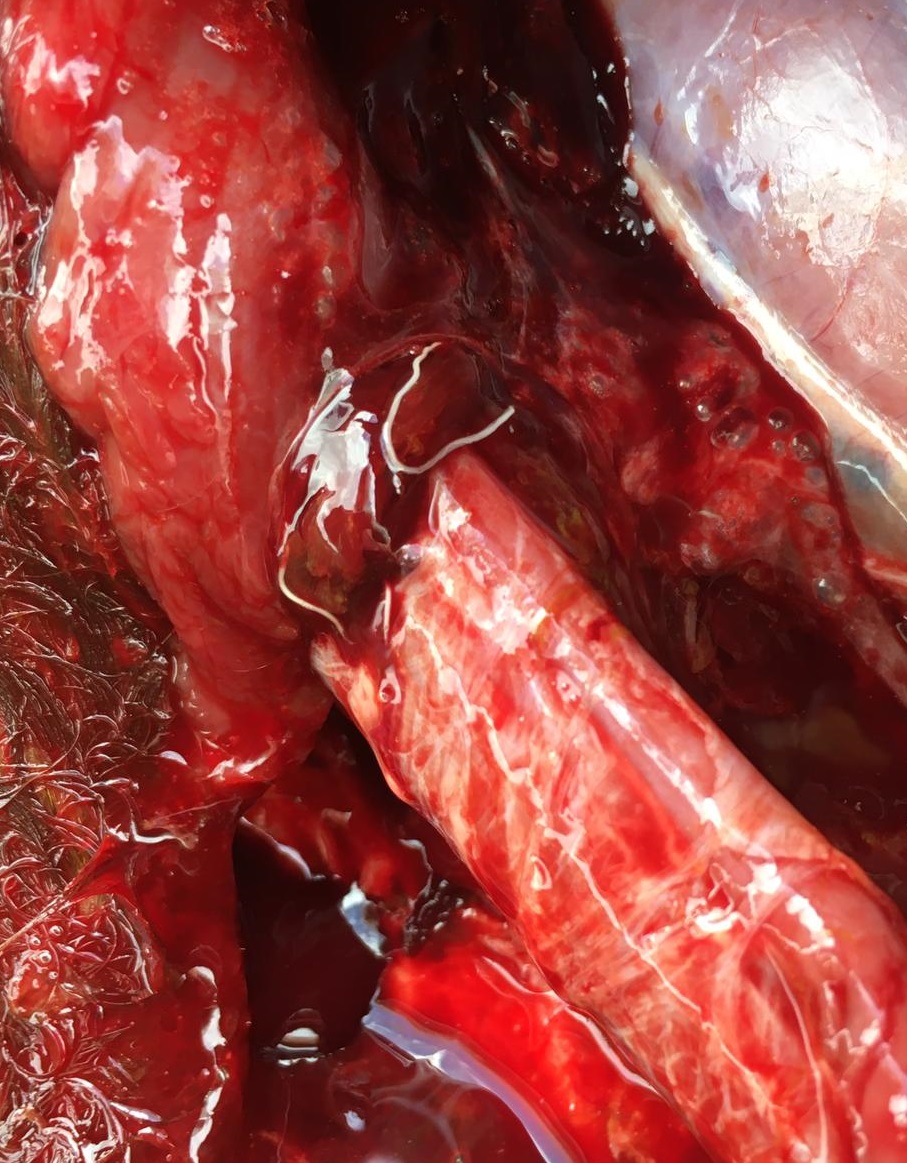
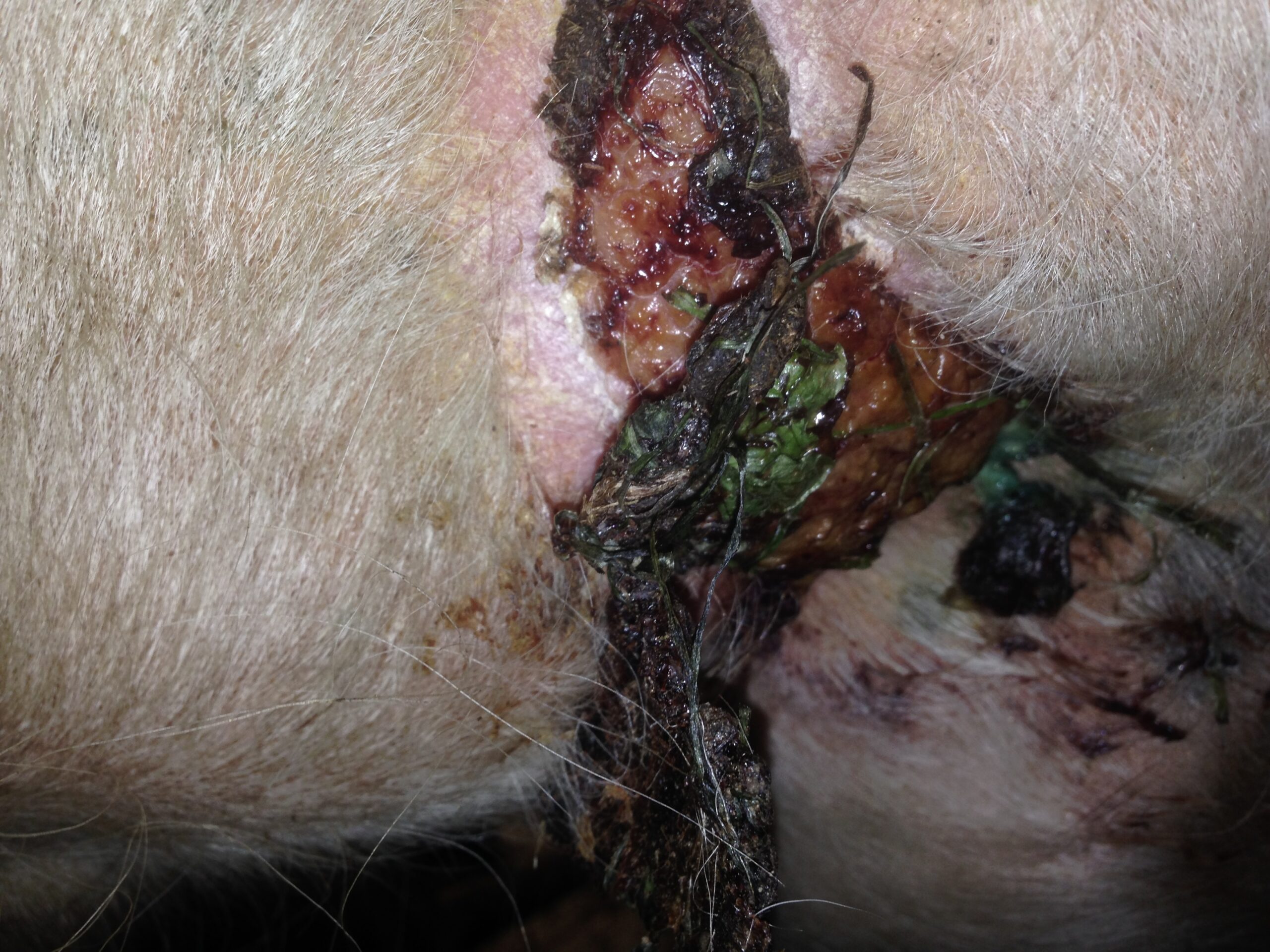
The clinical signs of BTV 3 in affected animals can vary widely, with some ruminants showing no symptoms at all. For others, the disease can be devastating, manifesting through a range of symptoms including:
- High temperature
- Loss of appetite
- Drop in milk production
- Lameness
- Reddened interdigital cleft
- Mouth ulcers and lesions
- Teat lesions
- Lethargy and recumbency
- Nasal discharge
- Crusting around the eyes
- Abortion or stillbirth
- Death
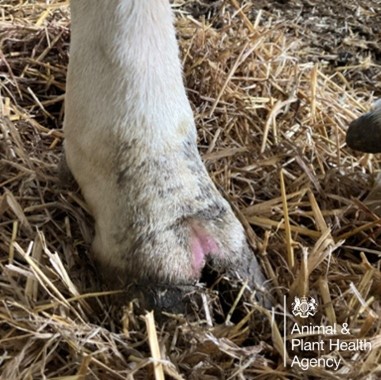
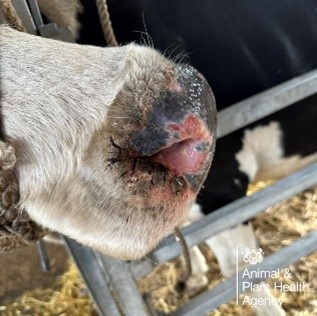
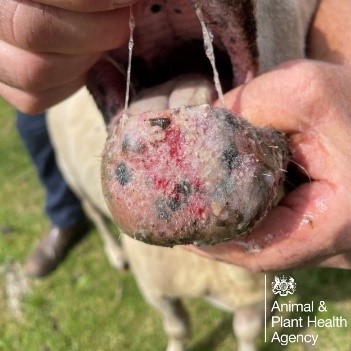
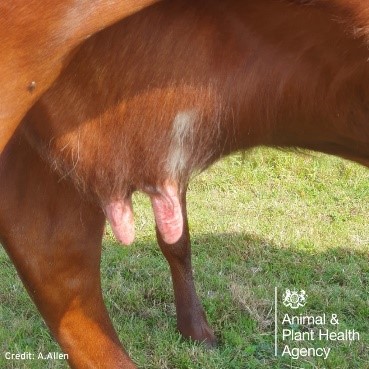
Image source: AHDB
Impact on Sheep and Cattle
BTV 3 poses a significant threat to sheep, with mortality rates in affected flocks in the UK reaching as high as 30%. In cattle, the virus causes considerable production losses, particularly in terms of fertility, calf health, and milk production. In the Netherlands, for example, milk drop has been as severe as 50-60 litres per cow, equating to a 1-2% drop in milk yield for several weeks at a herd level.
Prevention and Control: Vaccination is Key
Vaccination the only viable option for controlling the spread and reducing the severity of BTV symptoms. In the UK, three vaccines are available for use in both cattle and sheep, with AHDB leading the #BattleBluetongue vaccination campaign to help mitigate the impact of the disease on the livestock sector.
Vaccination is crucial for minimising clinical signs, reducing the risk of further outbreaks, and protecting livestock health. Please give the practice a call to discuss your needs further.
Reporting and Further Information
Given the similarities between BTV 3 and other diseases such as foot and mouth disease, it is important to report any suspicion of BTV as soon as possible. Early reporting can help contain the spread and mitigate the risk to other farms and livestock.
For more detailed information, including FAQs and resources, farmers can visit the Ruminant Health and Welfare Bluetongue hub online. As always, please call the practice or speak to your vet for further advice.
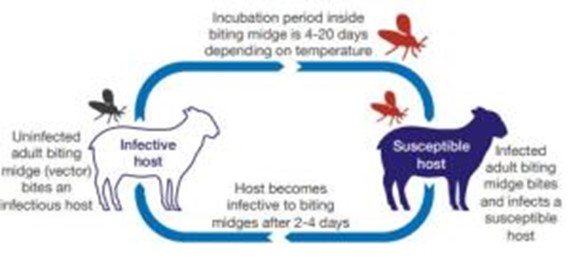
Source: Agriculture, Environment and Rural Affairs



Leave A Comment