
No farmer wants to face the frustration of a barren cow—one that hasn’t conceived after the breeding season. With the potential to impact both herd productivity and profitability, high barren rates are a challenge that requires attention. Barren rates vary by operation, location, and management practices, but a target of below 10% is a good starting point. Understanding why a cow remains barren can help you make informed decisions to improve your herd’s reproductive success. I have discussed the common causes behind barren beef cattle below and practical solutions to ensure your herd stays healthy, productive, and thriving.
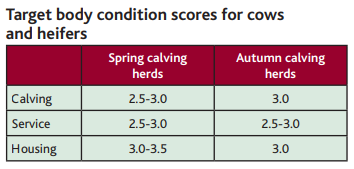
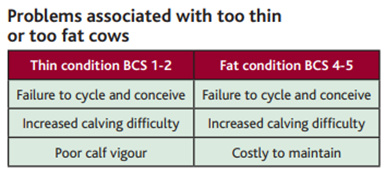
1. Nutritional Deficiencies: Poor nutrition, especially during the critical periods before and after breeding, can affect fertility. Cows that are underfed or in poor body condition may have lower conception rates, leading to higher barren rates. Monitoring body condition scores and/or targeted sampling to inform the need for supplementation of energy, protein, vitamins, or minerals, or treatment for high parasite burden can improve fertility.
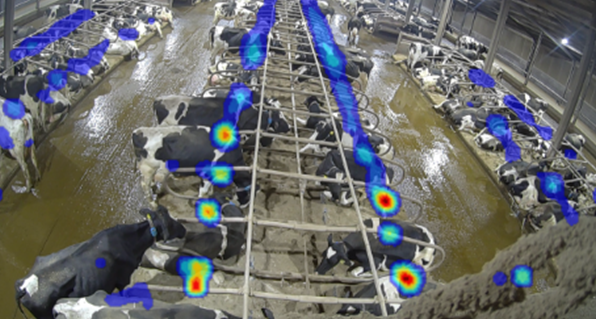
2. Poor Timing of Breeding: Your vet can assist in developing a more accurate breeding schedule for cows to help tighten a calving period and implement synchronisation protocols. Heat detection aids, visual observation, or even AI-assisted technologies (wearable sensors and smart collars such as CowManager, SenseHub and Moocall HEAT) can improve the accuracy of breeding timing.
3. Health Issues: Infectious diseases can significantly affect a cow’s fertility, contributing to infertility or early embryonic loss. There is much to discuss here but to keep it concise the following are worth consideration:
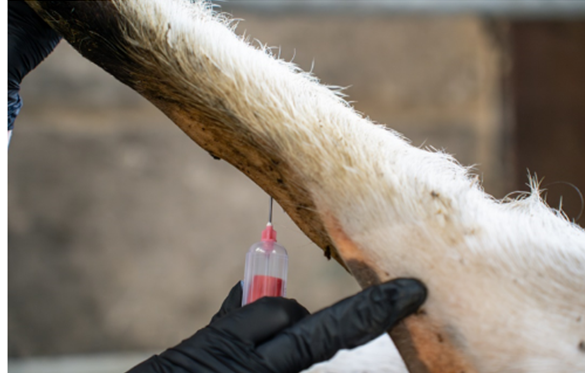
- Routine disease screening: regular testing for diseases that may reduce fertility can allow treatment to be given if an issue arises and a plan put in place before a costly outbreak.
- Managing herd biosecurity: focusing on preventing the introduction of infectious diseases to the herd, such as isolating new animals or disinfecting equipment.
- Developing vaccination protocols: vaccinations can help prevent reproductive diseases such as Bovine Viral Diarrhoea (BVD), Leptospirosis, and Infectious Bovine Rhinotracheitis (IBR), all of which can lead to reproductive failure.
4. Breeding Soundness/Suboptimal fertility: A breeding soundness exam can be carried out by your vet and involves evaluating a bull’s semen quality, scrotal circumference, and overall health, ensuring that the bull is capable of successfully breeding cows. Common reproductive issues in female cattle like uterine infections or ovarian cysts can prevent conception and cause early pregnancy loss. These can be picked up at a vet visit and treated early to avoid having costly consequences.
6.Environmental Stress: Stress can disrupt hormonal cycles and reduce fertility. Environmental factors such as extreme weather, handling stress, and overcrowding can negatively affect reproductive performance. Reducing the use of sticks and handling cattle quietly during breeding, transportation, or routine procedures as well as reducing mixing of groups can reduce stress. Improvements to housing conditions, reducing stocking densities, and climate control can also help.
7.Pregnancy Diagnosis and Early Intervention: Early diagnosis allows vets to give you more accurate calving dates and allow non-pregnant animals to be identified and bred again sooner, minimising the number of barren cows at the end of the season.
Involving your vet is important in reducing barren rates, so if the above has given you food for thought or left you with more questions, then please contact your vet to discuss how we can help optimise fertility and improve profitability in your beef herd.



Leave A Comment