
The transition period is the most important part of the cow’s lactation cycle. A well-managed transition will result in a smooth entry into lactation with minimal metabolic disorders such as milk fever or ketosis and an uncomplicated return to ovarian cyclicity. It is easy to overlook the transition cows and focus on the cows currently milking, however attention to detail during this crucial period will pay back several times over once the cows re-enter the milking herd.
Trough and Feed
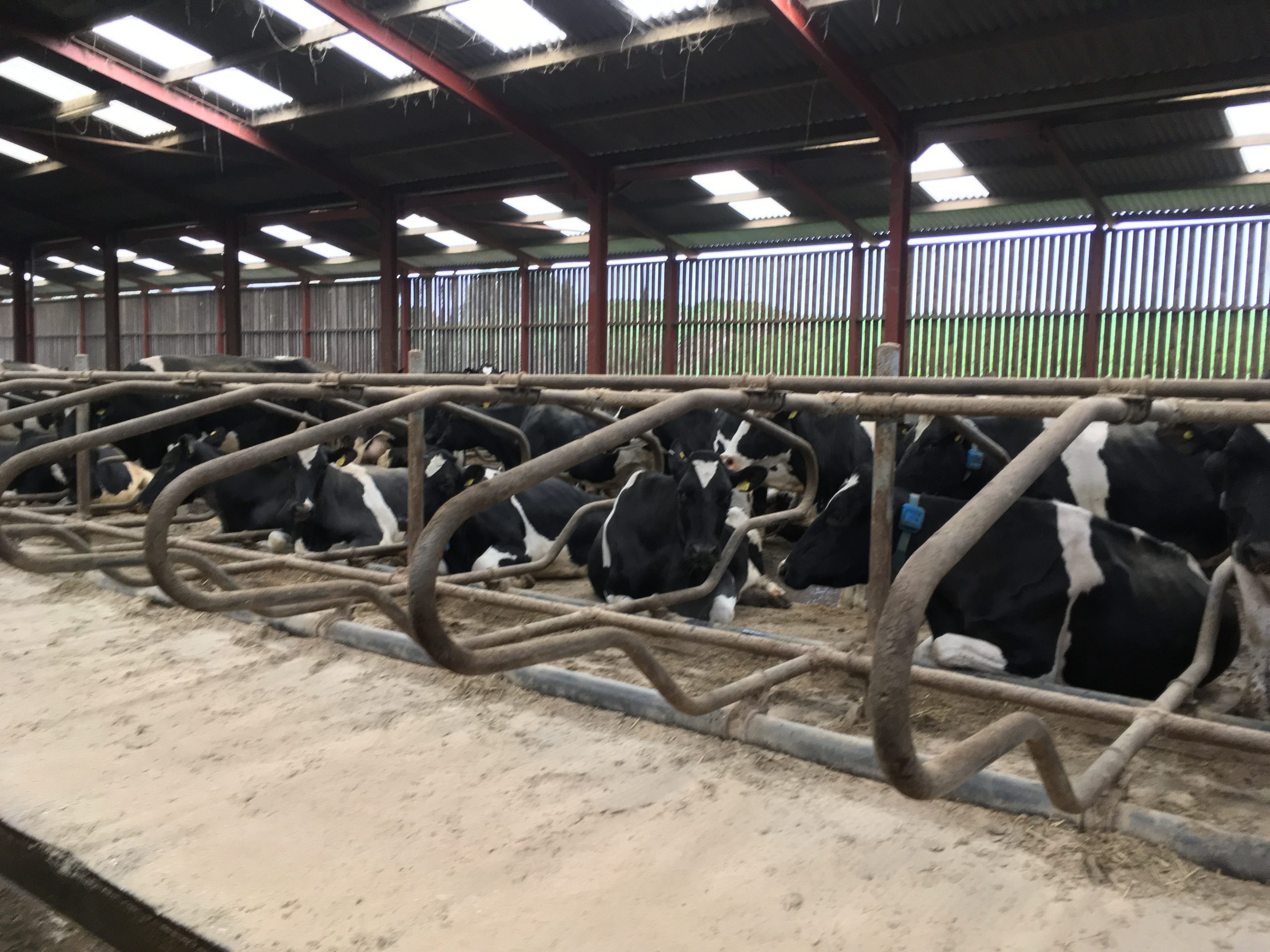
The first common mistake that is commonly encountered is inadequate trough space. Cows that are in the final stages of pregnancy are the fussiest eaters on the farm. In the final two weeks of pregnancy dry matter intake can reduce by up to 30%, it is therefore vital that great care is taken when mixing this ration aiming to keep it consistent from day to day. The chop length of the ration needs to be shorter in length than the width of the cow’s muzzle to prevent sorting. To ensure the best start to her new lactation ideally transition cows should be eating at least 12-14kg dry matter per day. It is important to remember that transition and dry cows should be fed a ration that is low in potassium, this can be achieved by creating a specific dry cow silage from fields that have not had slurry applied to them. For cows to be able to eat enough feed to hit this target there should be a minimum of 90cm trough space per cow. In a perfect environment all cows should be able to eat simultaneously.
Water Space
Another common issue with transition cow housing is a lack of water trough space, there should be at least 10cm water tough space for every cow in the transition group, split between two individual troughs to prevent bullying.
Comfort
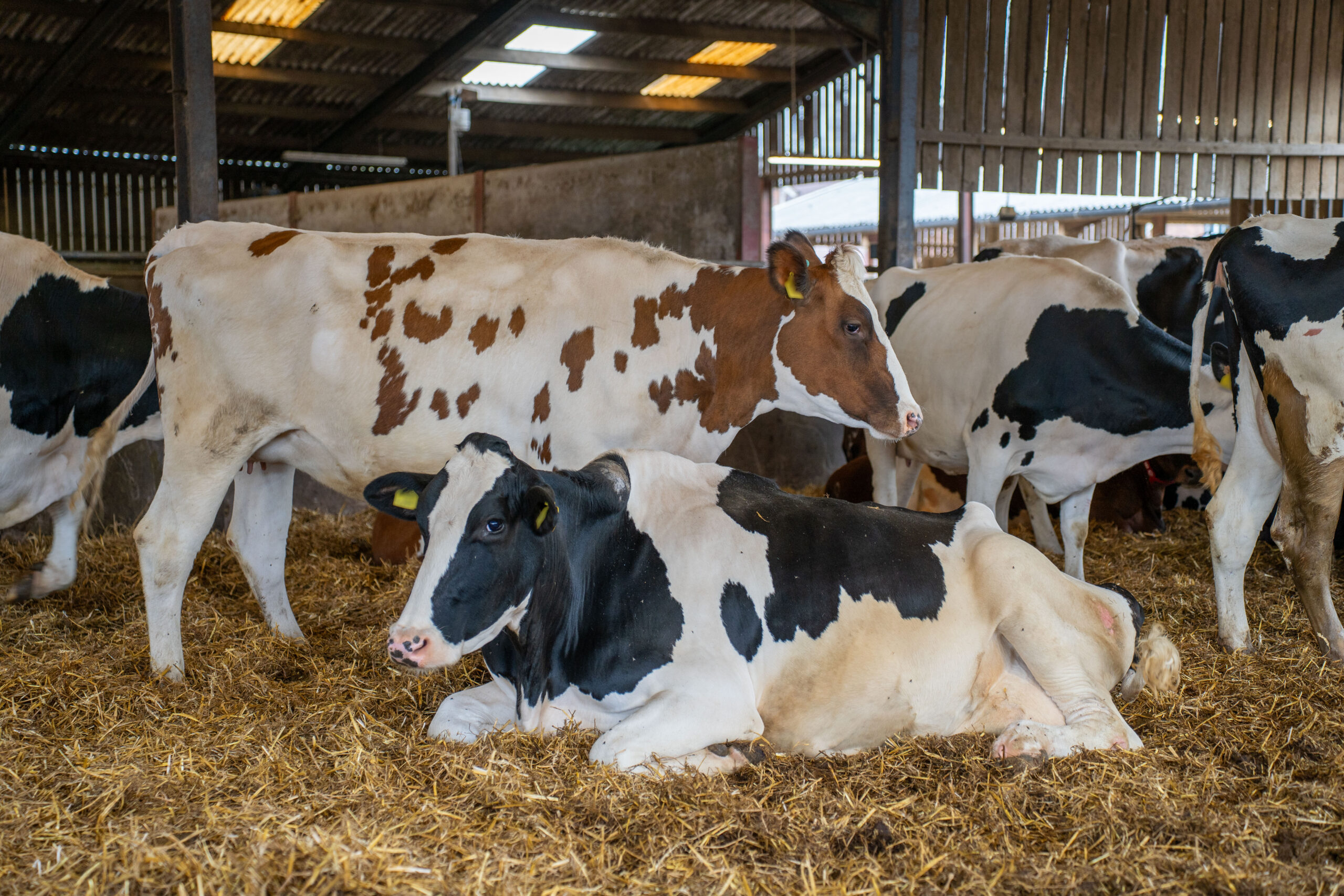
Cow comfort is another important part of transition cow management, most lameness problems develop within the eight weeks post calving and originate during the late dry period. To minimize lameness issues, it is crucial to maximise lying times. If the cows are going to be kept in cubicles pre calving then they should be slightly larger than the cubicles used for the milking herd, to accommodate heavily pregnant animals.
Every farm has peaks and troughs in the numbers of cows calving per week, as such there can be periods of the year when the transition facilities are under greater pressure. Thought needs to be given to how cow comfort can be maintained during these busy periods.
Hygiene
Hygiene of the dry and transition cow bedding is vital; this is the period during the cow’s lactation cycle where she could cure any high cell count issues. Reducing the pathogen load within the environment will help prevent new intra mammary infection establishing within the dry period.
Movement
Finally, the moving of animals between different management groups should be kept to a minimum during this period. Movement between groups can result in reduced feed intakes and social stress as dominant and submissive animals continually try to establish a social hierarchy. The reduced feed intake is particularly important as this will increase the cow’s risk of entering a state of negative energy and developing ketosis.
As always if you have any questions about transition cow management feel free to ask your vet or call the office. Or if you’d like an objective review of your transition cow management with ongoing monitoring you might like to consider having one of the vet techs performing a regular transition check on your farm.



Leave A Comment