
Botulism is a serious and often fatal disease affecting livestock. It is caused by toxins produced by the bacterium Clostridium botulinum, which is commonly found in soil and decaying material. These toxins affect the nervous system, leading to weakness, paralysis, and in many cases, death. While rare, outbreaks in the UK have been linked to poor silage management, poultry litter, and contaminated feed. In recent weeks contaminated feed has been implicated in an outbreak causing hundreds of cattle deaths across a handful of affected herds. Because treatment options are limited, prevention is the most effective way for beef and dairy farmers to protect their cattle.
Causes and origins
Clostridium botulinum is a naturally occurring bacterium that thrives in soil, decaying plant material, and animal carcasses. Under the right conditions, particularly when oxygen is limited, it produces the extremely powerful botulinum toxin. Livestock usually get sick after eating contaminated feed or water. Common sources include:
- Eating silage or haylage contaminated with bird or rodent carcasses.
- Consuming feed or bedding containing poultry litter.
- Grazing in fields with decaying matter, such as carcasses or rubbish tipped on land.
The practice of spreading poultry litter on grassland has been linked to outbreaks in several parts of the UK. Even tiny amounts of toxin can be lethal when ingested.
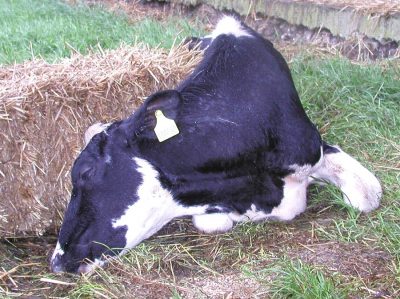
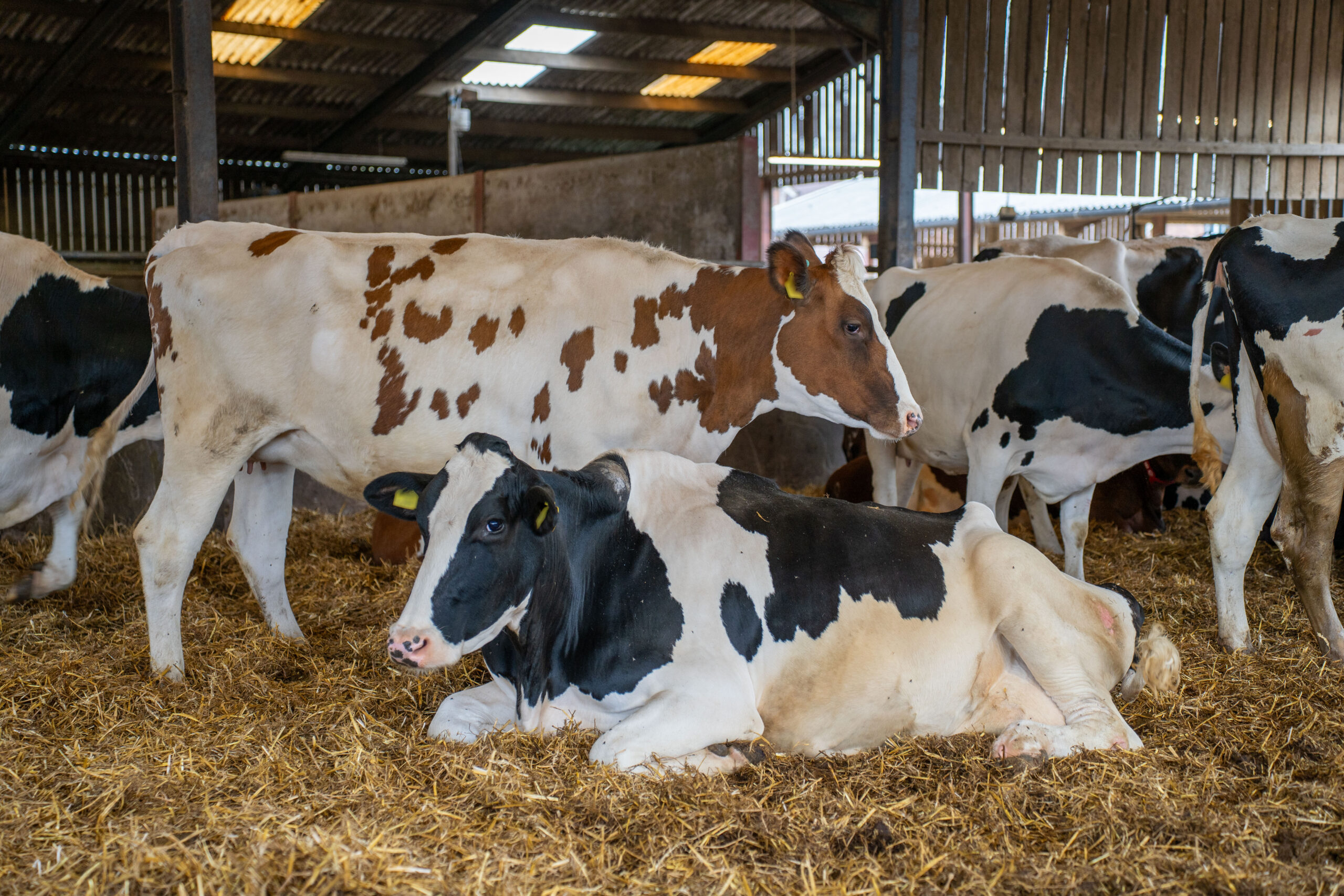
A progressive muscle weakness and paralysis is common in cases of Botulism – cases can appear very similar in their presentation to milk fever cases in the early stages
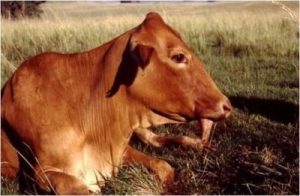
A flaccid or ‘limp’ tongue, which remains outside of the mouth when grasped, is a characteristic finding in cases of Botulism
Signs and symptoms
The hallmark of botulism is progressive weakness and paralysis. The toxin blocks the signals between nerves and muscles, preventing normal movement. In affected cattle, you may notice:
- Loss of tongue strength (the tongue may not retract when pulled).
- Difficulty swallowing, drooling, and reduced feed intake.
- Weakness in the hindquarters, progressing to collapse.
- Inability to rise once down.
- Death due to respiratory failure.
The onset is often sudden, and once cattle are recumbent, recovery is rare. In a dairy herd, the first signs may be a drop in milk yield alongside uncoordinated movement. Cattle, sheep, goats, and horses all show similar signs.
Severe outbreaks
Outbreaks of botulism can cause sudden, large losses. In cattle herds, a contaminated batch of feed may poison tens or hundreds of animals. There is no effective cure once the poison has been consumed, meaning the death rate is high. For both beef and dairy producers, botulism can cause major financial and welfare losses.
Antitoxin is rarely available in the UK and is only effective if given very early, which is often impractical. Supportive care is sometimes possible for individual high-value animals but not realistic during herd outbreaks, where humane slaughter is often required for affected animals.
Prevention is key
Since botulism is so difficult to treat, farmers should focus on preventing exposure:
- Manage silage and haylage carefully. Ensure good fermentation, exclude air, and avoid soil or carcass contamination. Poorly made silage is one of the biggest risk factors.
- Caution with other feeds. Purchased feeds should always be stored to prevent access by rodents and birds, as these pose a potential route of contamination with botulism.
- Avoid poultry litter. Do not spread poultry litter on land grazed by cattle. If litter is to be spread, it must only be on tillage land and followed by immediate ploughing. Any deliveries of poultry litter should be checked to ensure they don’t contain bird carcasses before they are considered for use.
- Vaccinate cattle. In high-risk herds, particularly where poultry litter is used nearby, vaccination with botulism toxoid is an option. Farmers should discuss availability and suitability with their vet.
Final thoughts
While botulism is relatively uncommon in UK cattle, when it does strike the consequences can be devastating. By focusing on silage quality, careful feed management, and strict biosecurity, beef and dairy farmers can minimise the risk of an outbreak. Where poultry and cattle farms sit side by side, vaccination may provide extra peace of mind.
A purified form of the botulinum toxin is used in cosmetic surgery. Bo-Tox injections cause long lasting paralysis of muscles in the face, reducing the appearance of winkles!


Leave A Comment