
The Challenge
A beef farm was struggling with high rates of cattle pneumonia, leading to poor growth, increased treatment costs, and an extended production period. The owner was concerned about the long-term impact on herd health and profitability. This farm had already looked at their housing and biosecurity as well as nutrition which could all increase their incidence of pneumonia.
Pneumonia is a multi-factorial disease which affects growth and performance and can have lifelong impacts due to its reduced growth rates and increased finishing times as well as reduced milk yield in the dairy industry.
However, this was leading to a lot of animals being treated with antibiotics without a known cause. Unwell animals should be treated promptly with a non-steroidal anti-inflammatory (e.g. Metacam) to try to relieve clinical signs and reduce lung inflammation. The choice of antibiotic should be based on veterinary advice and knowledge of farm specific pathogens and previous outbreaks of respiratory disease.
The farmer was very good at noticing signs early including:
- Coughing
- Weeping eyes
- Running noses
- Heavy Breathing +/- coughing
- Animal off feed
- Temperatures over 39oc
The Solution
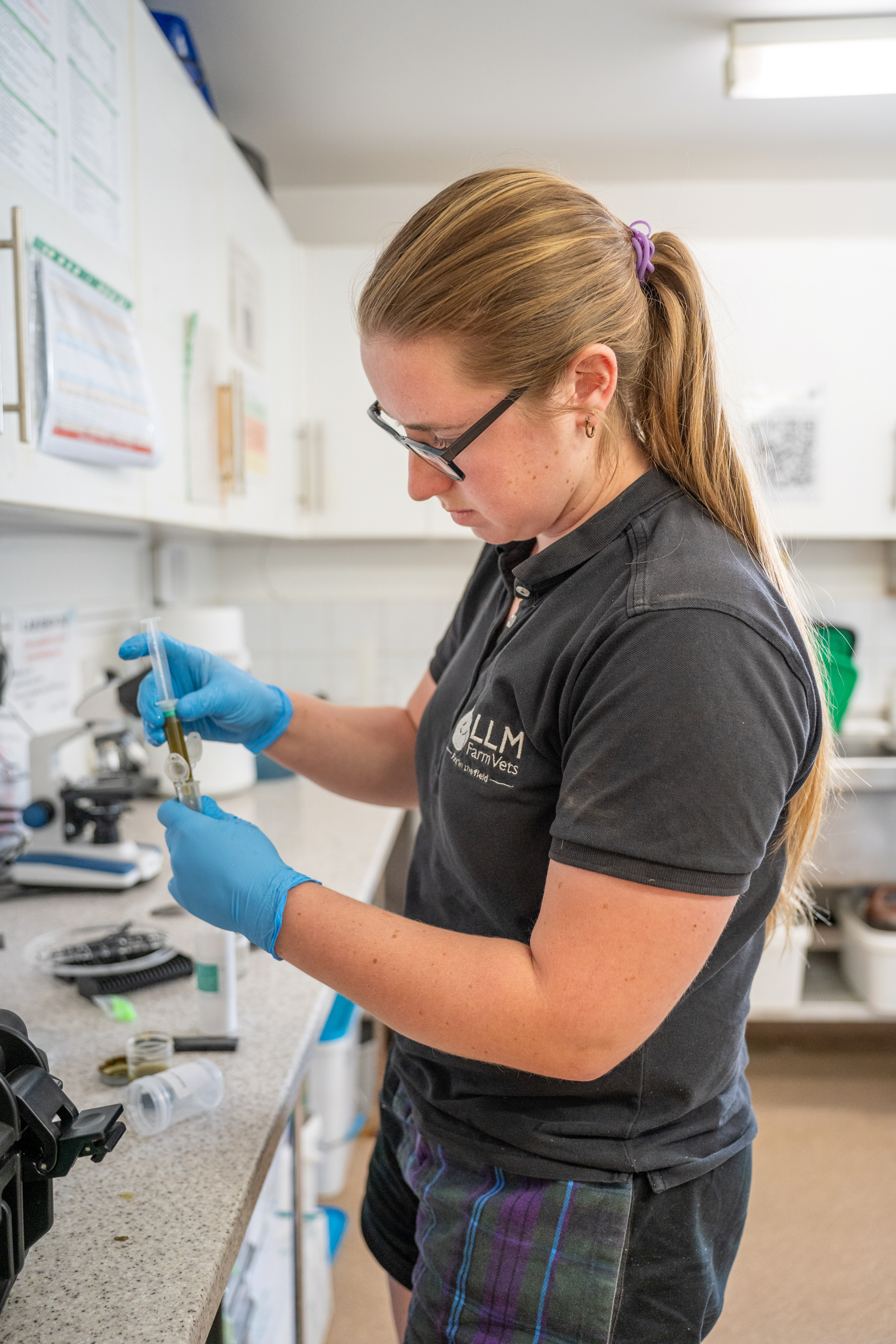
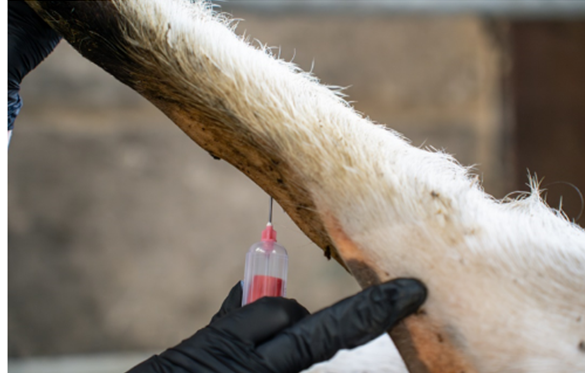
After consulting with one of our vets, it was decided that swabs and blood samples would be taken to establish the most likely cause of the pneumonia. The results showed that all animals were infected with mycoplasma and so the farm implemented a targeted vaccine for their cattle to use alongside the IBR live marker vaccine which was already used. The vaccination protocol involved vaccinating all cattle on arrival to try to reduce the clinical signs and increase production which will therefore improve the animal’s welfare. The use of an injectable trace mineral supplement was also discussed as including these has shown to boost the immune system. Stressors on cattle such as vaccination, mixing of groups and transport can exacerbate trace mineral imbalances leading to a reduced response to vaccines.
Mycoplasma most commonly shows as pneumonia, however, can also cause mastitis and arthritis, ear infections and reproductive issues. If you suspect you may have mycoplasma on your farm then a simple blood sample can be taken from animals over six months old to show exposure to the mycobacterium whilst the nasopharyngeal swab can show presence in the respiratory tract.
Results
- Before Vaccination: Over 75% of cows were diagnosed with pneumonia, leading to high medicine bills and delayed growth.
- After Vaccination: Pneumonia rates dropped greatly with a noticeable improvement in overall health, feed intake, and growth rates.
- Cost Savings: Treatment costs dropped significantly, and the farm saw a faster return to market weight for the cows.
- Improved welfare: The intervention not only led to fewer signs of pneumonia, but also a noticeable reduction in lameness, caused by arthritis, and mastitis—two additional issues often associated with mycoplasma infections.
Why It Works
Vaccination helps prime the immune system, reducing the severity and occurrence of pneumonia, which is crucial in maintaining a healthy and productive herd. There are several vaccines available to target the different causes of pneumonia and there are two main types; intra-nasal and injectable. Intra-nasal vaccines have an instant action but work for a shorter duration as opposed to injectable which take longer to build immunity but provide protection for a longer period.
Key Takeaway
Preventative measures like vaccination not only protect your animals but also improve farm profitability. With pneumonia being one of the leading causes of respiratory issues in cattle, investing in vaccines is a smart step towards better herd health and performance. Call the practice today to speak to a vet about the subsidised pneumonia testing we have available at the minute to look what is likely to be causing pneumonia on your farm. This testing can be used in any age of animal in any type of cattle set up and is a quick and straightforward method to try to find ways to minimise your problems with pneumonia.



Leave A Comment