
After the dry summer, there will be many farms facing forage shortages this winte,r and it’s important to keep a close eye on ewe body condition. It may be necessary to consider supplementing with concentrates earlier than usual to help compensate for any shortfall. There are a number of tools we can use to help achieve this.
Regular body condition scoring is a very useful tool to monitor changes in either direction. Colour marking thin or fat ewes at each scoring session will provide an instant visual reminder of any changes. Separating ewes by fetal load after scanning may also allow easier management of body condition. AHDB provides a handy guide; it’s important that condition scoring is always “hands on” as it’s surprising what a fleece can disguise. https://ahdb.org.uk/knowledge-library/managing-ewes-for-better-returns.
Metabolic profiling can also be helpful. Blood sampling ewes 3-4 weeks before the lambing period is due to start for beta-hydroxybutyrate, urea, and albumin/globulin, which allows assessment of current energy and protein status of the diet, long-term protein status, and inflammatory conditions which can contribute to poor body condition, such as liver fluke, Johne’s disease, and lameness. Taking bloods at this point allows time to modify the diet before lambing begins to minimise problems such as poor colostrum yield and quality and twin lamb disease. It is recommended to sample 6 ewes from each management group to get a representative picture of overall nutrition.
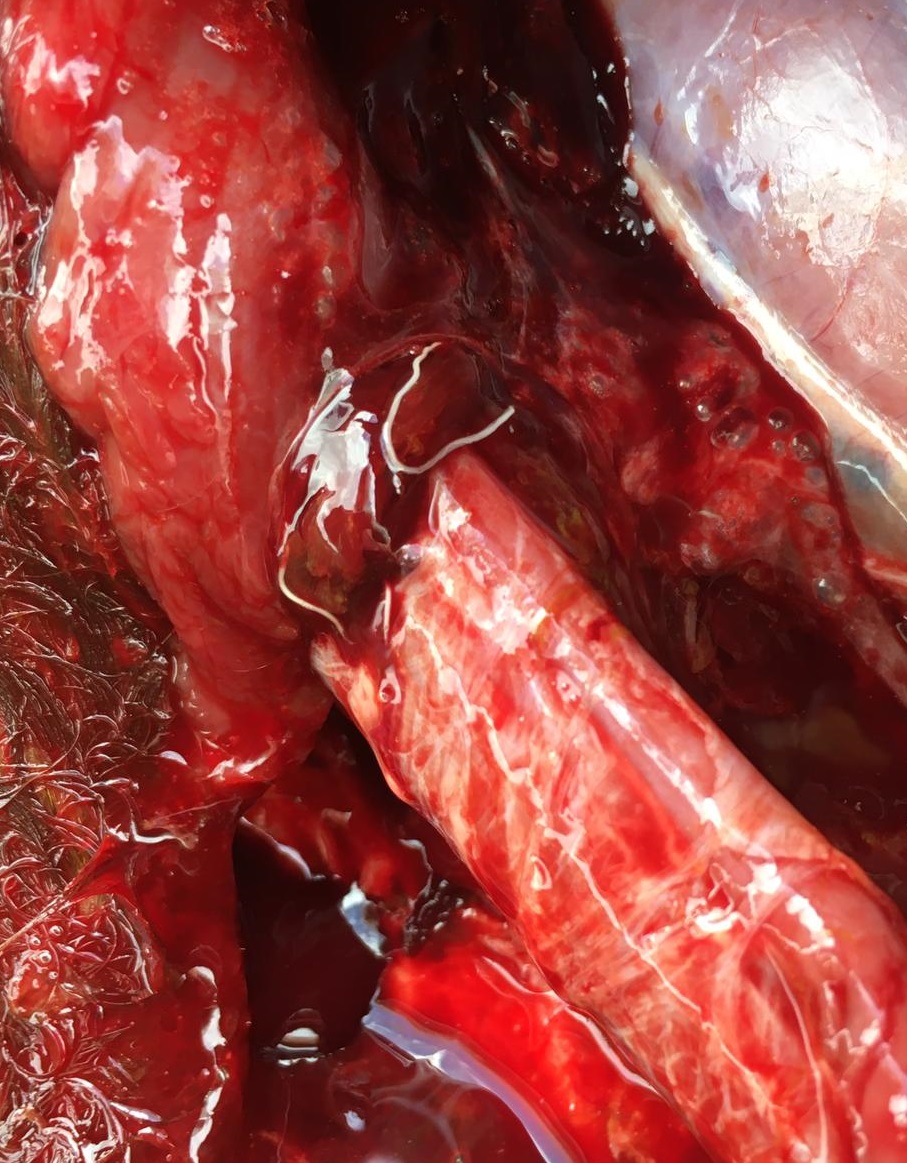
It’s also important to ensure parasite control is up to date and appropriate. The dry summer followed by a warm wet autumn has meant we are seeing animals with significant worm burdens later in the year than we might normally expect. If ewes are in poor condition and not gaining as expected despite increased feeding then give consideration to whether they may have parasite burden. Haemonchus contortus, aka the Barber’s Pole worm is an increasing problem in this area of the country, and unlike the other gut worms does not cause scouring. The dry summer may well have decreased fluke risk in many areas but infection should always be kept in mind.





Leave A Comment