
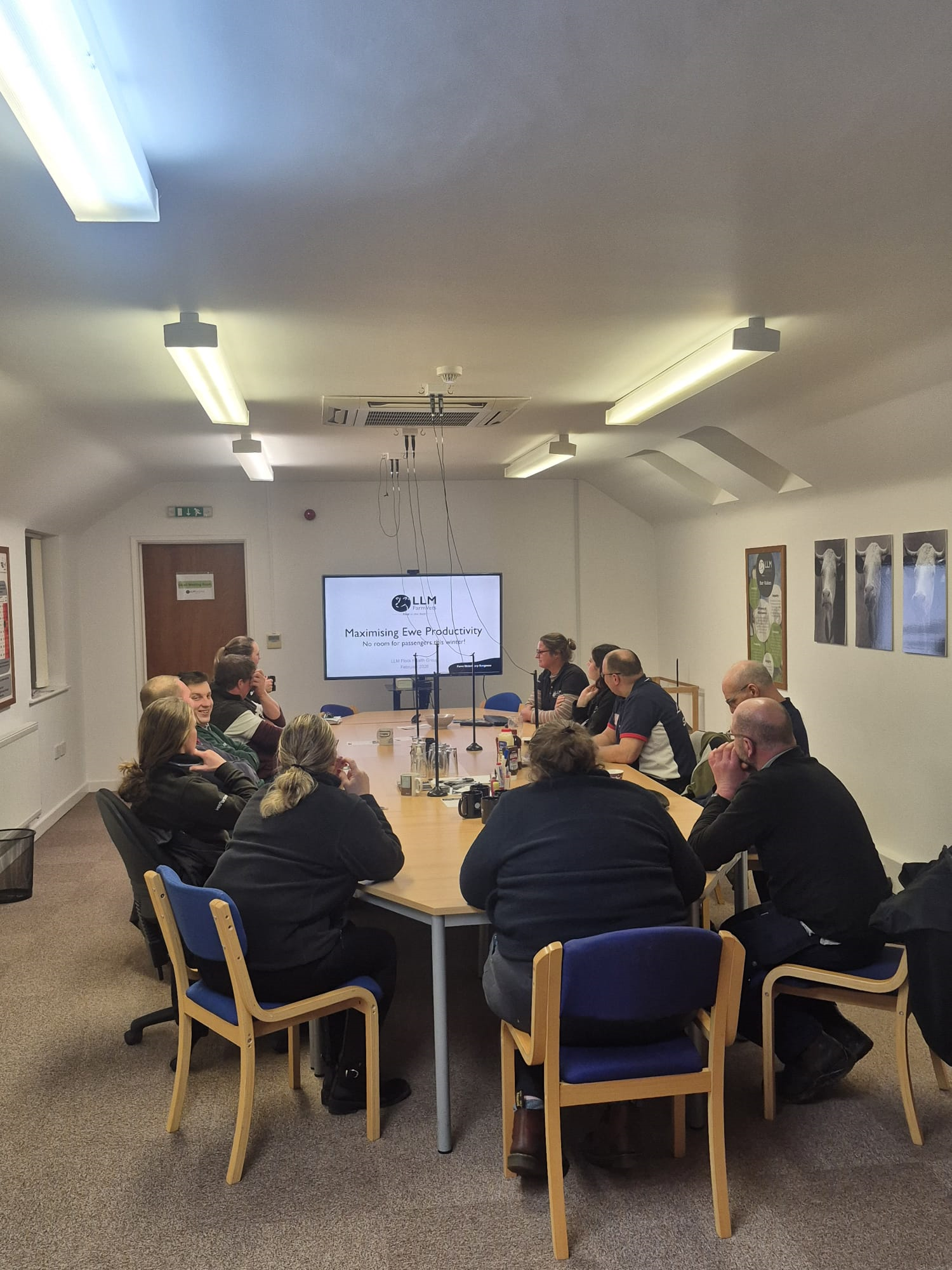
Following on from our recent Whitchurch flock club meeting I thought I’d share some updates about lameness.
Lameness remains a significant problem for the sheep industry in the UK with an estimated cost to the sector of £4.5 million per year. At farm level this is a cost of between £5 and £8 per ewe per year depending on the level of lameness in the flock.
Impacts:
- Drug costs
- Time
- Production loss (daily liveweight gain, reduced fertility, poor milk yield/lamb growth etc)
- Welfare/public perception
- Fat lambs not fit for sale (transport/withdrawals)
A lot of research has gone into sheep lameness in recent years and improvements in diagnostic testing and molecular biology have challenged some of the traditional thinking about the infectious causes.
Most sheep lameness is infectious: lame sheep result in more lame sheep.
Scald/Footrot
Previously thought of as 2 separate diseases it has now been shown that they are both caused by the bacteria Dichelobacter nodosus which lives on the feet of sheep and can survive in the environment for at least a month. There are 10 strains of the bacteria in the UK and it is now thought that the less aggressive strains cause scald whereas the more virulent strains develop into footrot, in conjunction with a second bacteria Fusobacterium necrophorum which lives in the environment and intestines of sheep.
CODD
This is caused by Treponeme bacteria similar to Digital Dermatitis in cattle – it is thought to have originated by crossing from cattle to sheep. Interestingly it has recently been shown that severe cases of CODD require footrot bacteria to be present as well in order for CODD infection to establish.
Treatment can be different for the 2 conditions so it’s important to be able to differentiate between them.
Foot trimming and foot bathing
Thinking has changed in recent years. Routine foot trimming of sheep is now strongly discouraged as it has been shown to be associated with increased levels of lameness in a flock, and trimming lame sheep has been shown to increase their recovery time. If you do trim it’s really important to wear gloves, and change gloves and disinfect shears between sheep, as bacteria can spread via equipment.
Footbathing is another area where thinking has changed. It is ineffective as a treatment other than for mild scald, as the bath solution cannot penetrate deep enough into the tissues. It’s also been shown that regular routine footbathing could actually be detrimental to the healthy balance of bacteria on the skin. However it does still have a place in lameness control.
The AHDB 5 point plan offers helpful pointers in how you can reduce lameness in your flock including vaccination, speak to a vet if you would like more information.


Leave A Comment