
With the weather being warmer and more of you are out in the fields, getting crops in, fencing, spreading slurry etc. It’s easy to forget how important the little things are. One aspect I’m particularly thinking about is the first hours of a calf’s life.
I have put together a bit of a recap and a few points for you to think about that I have picked up on my day to day visits to the farms up in Lancashire:
1. Do you have space?
Calves often get left in the calving pen after being born especially if it’s the middle of the night, I find one of the main reasons I hear week in week out is… “There’s not a pen ready” … there’s an easy fix to this ‘Build before its Born’. In other words, as soon as you have filled a calf pen, build another and disinfect it so it has time to dry.
Why should the calf be taken out of the calving pen asap?
- Leaving a new born calf in the calving pen leads to increased risk of disease, which can result in the dreaded scours and much more.
- The calf may begin to suckle, you then have no control over if the calf has had enough colostrum and if it was of good quality.
- Increased risk of Johnes either from taking milk from the dam or contamination from a previous dam
2. Colostrum – the one we all harp on about, but honestly you should treat it like liquid gold!
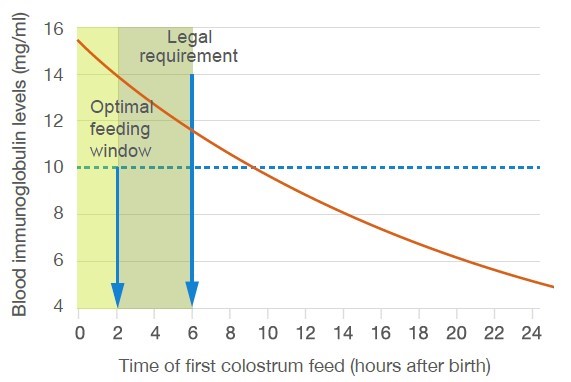
Quickly – Get colostrum into your calf within two hours of birth for the gold standard. As soon as the calf is born the antibody absorption levels start to drop, meaning even if your colostrum is full of antibodies, it will begin to be useless over time. Remember that it is a legal requirement to ensure that calves have had their first feed within six hours!
Quantity – We all know 10% of body weight is what we need to feed, so 4L on average is how much each calf needs (fun fact for you suckler herds out there… a calf would need to suckle for a solid 20 minutes to intake this quantity of milk!).
Why 10%? 10% of their body weight of colostrum intake should provide the calf with enough energy, nutrients and antibodies for the best start in life. The protein, fats and sugars provided in the colostrum help to increase the calf’s metabolism and heat production.
sQueaky Clean – Cleanliness for a new-born can be a lifesaver. But there’s more than one aspect of the process that needs to be clean when ensuring the calf receives its first feed. Starting with “Clean Colostrum Collection” – a few points to ask yourself…
- Do you know the disease status of the dam? Do not use if Johnes positive or suffering post calving conditions
- Ensure teat cleaning and preparation is carried out. All signs of sealant should be removed
- Wear clean gloves
- Sanitise both the cluster and pipework after every use
- Use a clean collection bucket, with a lid if possible for transportation
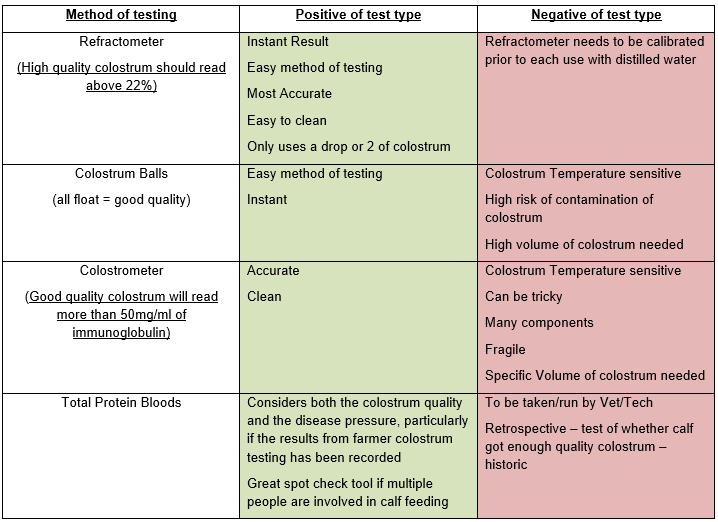
Quality – A good quality colostrum provides that calf with antibodies. To get the best quality colostrum from the dam she needs to be milked as soon as possible after the birth of the calf. With time the cow produces more milk which has a dilution effect on the colostrum quality, so get that cow milked asap.
3. Feeding the calf
There are a few different methods that farms use to ensure that the calf receives the correct amount of colostrum, the main two being tube feeding and bottle/teat feeding. All of the equipment needs to be rinsed and then disinfected after use. The best method of drying is to hang the equipment somewhere clean to allow the excess liquid to drain out. Remember if using a teat to force disinfectant through the teat to ensure there is no droplets of colostrum left in the teat. The best way to think about it is …would you drink/eat from that…if so…prove it! This goes for all calf feeding buckets, bottles, feeders etc.
Just a couple of points about colostrum storage:
- Bacterial numbers in warm colostrum can double every 20 minutes. The higher the bacterial count the greater the pressure on the immune system on the calf that has been fed the colostrum.
- If you are going to freeze colostrum, ensure to put the cow number, and collection date. The cow number enables you to identify any colostrum to throw away should a cow become Johnes positive. All colostrum that has been frozen for over 12 months should be thrown away.
- Don’t forget to regularly check the temperature of the freezer with a thermometer.
4. Environment
Whether it’s the calving pen, transportation, or calf pen, it has to be clean, disinfected and dry.
Most farms are using to cleaning and disinfecting both the calf pens and the calving pens but the transportation is often forgotten. For most of you all that will be a barrow.
How many of you clean and disinfect your transportation device after EVERY calf? I bet the answer is very few. Even if you have a specific barrow etc for this task, not cleaning the barrow properly can lead to bacteria coming into contact with every new-born on the farm that passes through this system, essentially undoing all the positive work of cleaning and disinfecting the pens.
One way to ensure this is to clean and disinfect after every calving, that way ensuring it is ready for every calving…or ‘Move and Mop’ – if you use it to move and animal mop it up afterwards.
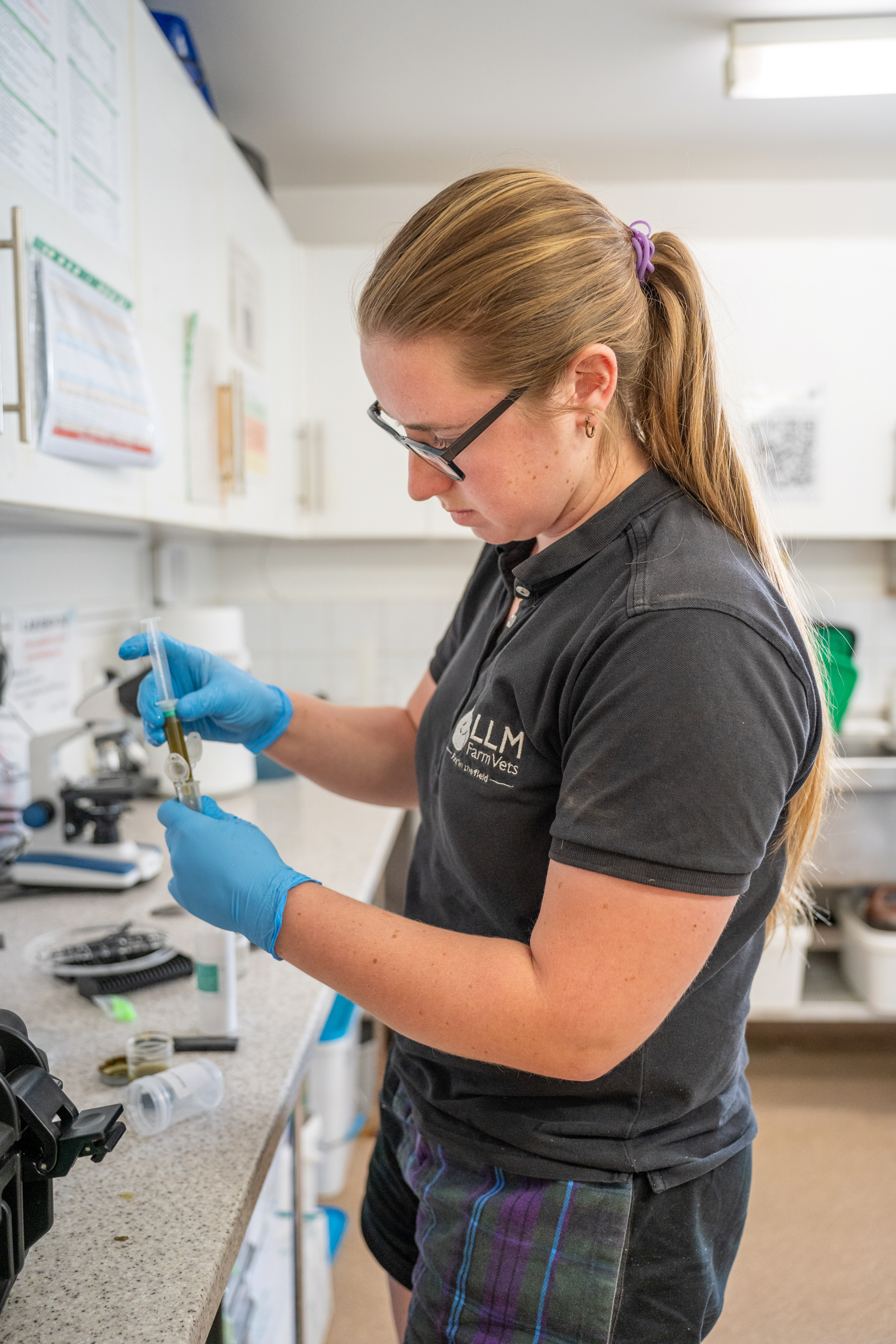
Go out and look at your transportation and ask yourself, is it clean enough? If you are unsure speak to your vet or tech, we can investigate how much bacteria there is on what you may visually see as clean, the results may surprise you.



Leave A Comment