
As we have approached the summer months, we have seen the temperatures soar which is good for catching a tan but not good for parasites on the horizon.
Due to warm weather, we have seen a high volume of Nematodirus, a round worm which particularly affects lambs, causing high mortality rates and stunts growth rates. Nematodirosis can strike very quickly so you can’t afford to have a ‘wait and see’ policy. Because the damage is done by large numbers of immature larvae that are not producing eggs, faecal egg counts (FECs) are not a reliable indicator of risk.
However, as we move further into grazing, we see different gastrointestinal parasites that also cause disease – reduced growth rate, reduced milk and wool production, and reduced body condition. Ostertagia and Trchostrongylus are two such examples. Trichostrongylus infections cause inappetence, diarrhoea, rapid weight loss and death. The disease is usually seen in store or replacement lambs during the autumn and winter months but can also occur in lambs from late summer onwards. Ostertagiosis is typically seen in lambs during their first season at grass and usually occurs from midsummer onwards.
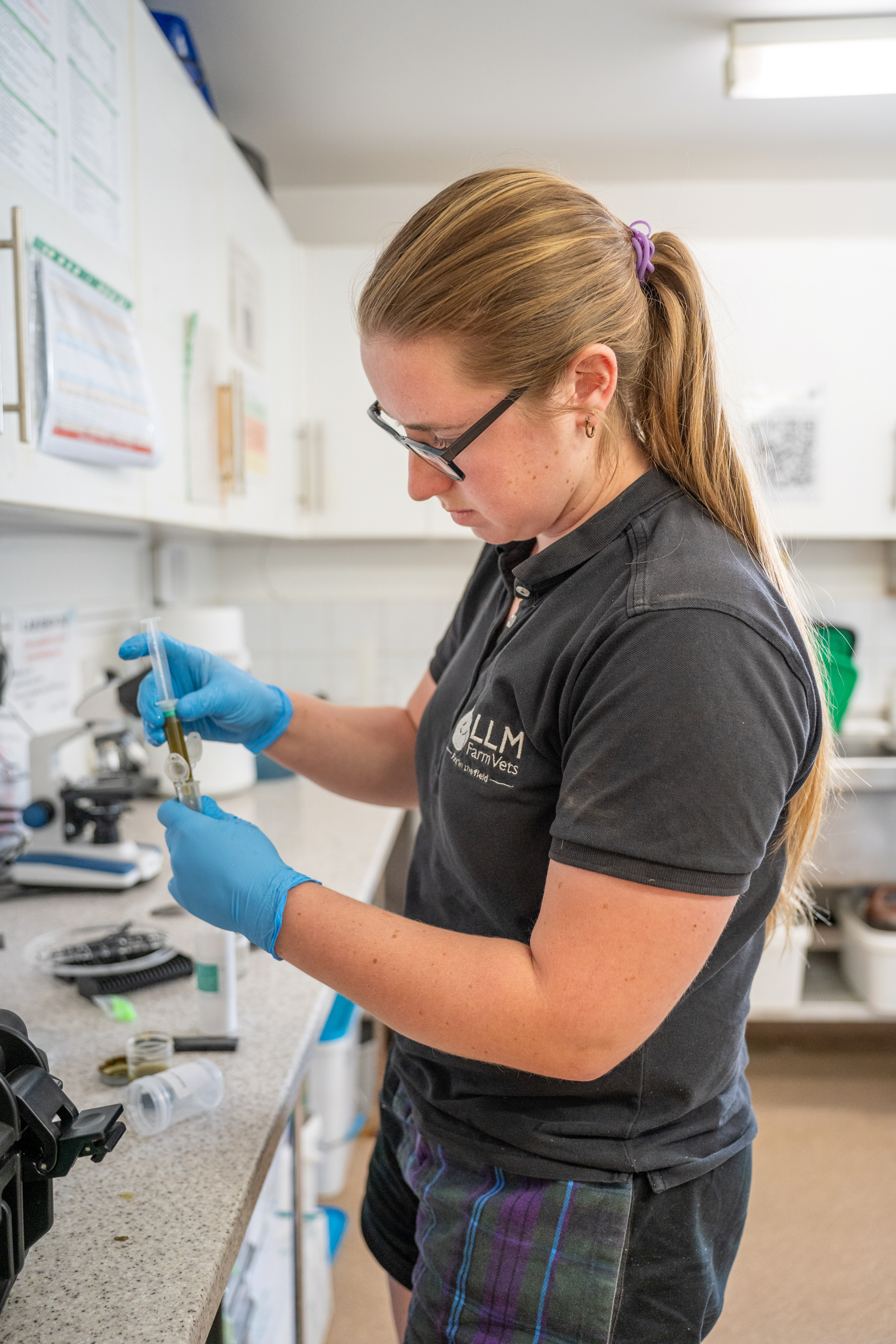
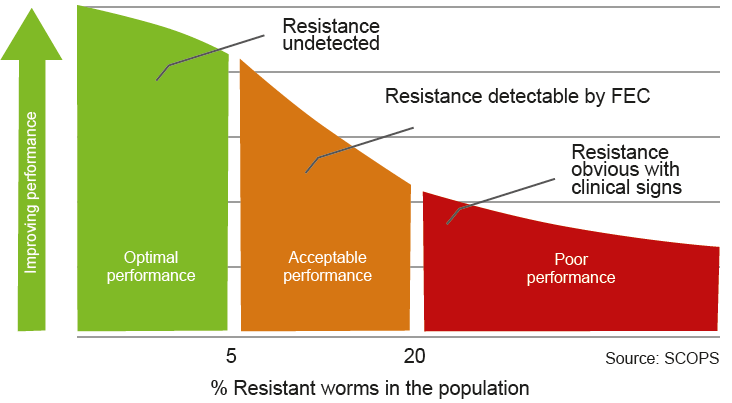
We can monitor worm burdens by carrying out faecal egg counts for both lambs and first and second-season grazing cattle. From there, we can create a plan of action and choose the right wormer treatment. Faecal egg counts can also be used to detect and hopefully prevent resistance. These should be done once a month at least to keep an eye on the burden. Detecting low levels / no burden can mean treatment isn’t advised; therefore saving money, reducing the risk of resistance, as well as helping reduce toxicity into the environment. Whilst collecting the sample it would be a good idea to body condition score your grazing stock to look for more subtle signs of performance reduction.
We have seen a few ectoparasites such as sucking lice in the recent weeks, it is important to keep a clean environment, not over stocked and when using drenches and spot ons always have the correct dosage for the size of the animals. If you want any more parasite advice, please speak to your vet. If you want to get a more tailored parasite control plan in place, now is a good time to start thinking about it – especially with the AHWP which is an funded opportunity.




Leave A Comment