
Haemonchus, also known as the Barber’s Pole Worm, has become more widespread in the UK in recent years, possibly due to climate change and increased sheep movement. Once limited to the southeast, it can now be found across the UK, and evidence suggests the worm is adapting to survive in a wider range of temperatures. Vigilance is essential year-round.
What is Haemonchus?
Haemonchus is a blood-sucking parasite that lives in the abomasum of small ruminants. Each worm can consume up to 0.05 ml of blood per day, so a sheep with 5,000 worms could lose 250 ml of blood daily. A single female worm can lay 5,000–15,000 eggs per day, and with a short life cycle (20 days) and a pre-patent period of 14-15 days, infections can escalate quickly. If untreated, Haemonchus can cause anaemia, weakness, collapse, and even death. In chronic cases, animals may develop “bottle-jaw” and lose condition, though diarrhoea is typically absent. Both adult and young sheep are at risk, as adult animals do not develop strong immunity to the parasite.
If you suspect an issue with Haemonchus in your flock, consult your vet. There has been an increase in worm-related problems this year, with lambs not growing well and ewes failing to gain condition before tupping. The Animal Health and Welfare Pathway (AHWP) offers funding for flock health planning and disease testing.
AHWP Funding Opportunities:
- Review Visit (£436): Includes a faecal egg count reduction test to assess wormer effectiveness and follow-up consultations on disease and welfare issues.
- Follow-Up Visit (£639): A more comprehensive visit that allows testing for various health conditions, including reproductive performance, lamb growth, and parasitic infections. You can apply for up to three “reviews” and three “follow-ups” within a three-year period, with at least ten months between each.oints:
- Haemonchosis differs from other gastrointestinal worm infections because it causes blood loss and anaemia, not diarrhoea (unless mixed with other parasites).
- Infected animals may appear thin, with pale mucous membranes, and may die suddenly if untreated.
- Prevent the introduction of Haemonchus by quarantining and treating incoming sheep. Broad-spectrum wormers or those containing Closantel can be effective.
- Liver fluke can also cause anaemia and weight loss, so be sure to identify the parasite before treatment. Risk of liver fluke is high this winter due to wet weather. Consult your vet for advice on your flock’s health.
By staying vigilant and using the AHWP funding for testing and planning, you can better manage and prevent Haemonchus and other health issues in your flock.
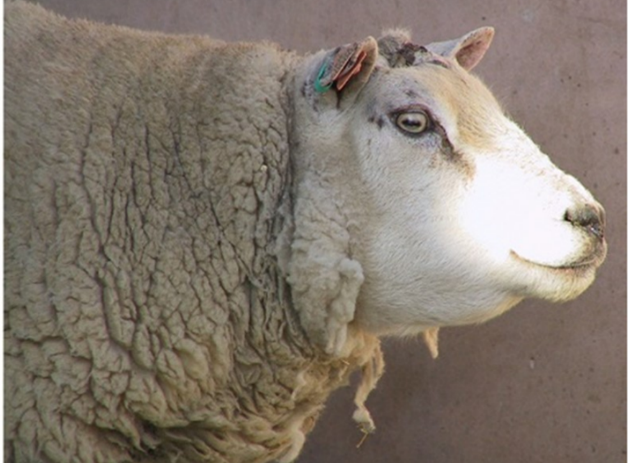
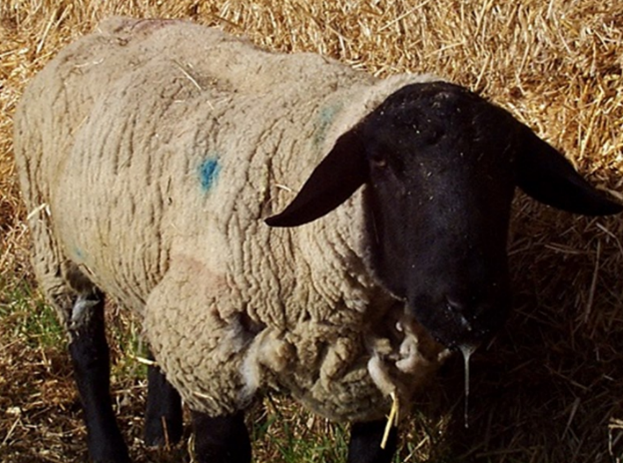

Pictures from NADIS
- Chronic Haemonchosis presenting with anaemia and bottle jaw.
- Severe, acute Haemonchosis in a Suffolk shearling causing lethargy, weakness and rapid loss of condition.
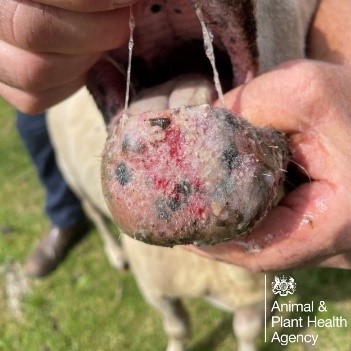
- In haemonchosis the most important clinical sign is anaemia, seen here as pale mucus membranes.





Leave A Comment